Most guides to single cup coffee systems are written for American kitchens, and you can tell within about three paragraphs. They lead with Keurig, quote prices in dollars, and assume you can pick up a box of K-Cups on the weekly shop. In a UK kitchen, none of that holds up.
As an Amazon Associate, I earn from qualifying purchases and sometimes recommend products from other sellers at no extra cost to you. For more details see my disclosure policy and privacy policy.
The honest answer to “what’s the best single cup coffee system” is that it depends on three things nobody asks about often enough: how many cups your household actually drinks, whether you want milky drinks or straight black coffee, and what you’re willing to spend over three years rather than on day one. Get those three right and the machine almost picks itself.
This guide covers what’s genuinely available in the UK in 2026, what each system costs to run per cup, and where the pod-free options beat the pod machines outright. Prices move constantly, so treat the figures here as a realistic guide rather than a quote.

The Coffee Chef Planner
Daily planning, journalling, and a proper coffee tasting log with a flavour wheel — 20 pages in one printable bundle.
Shop the planner →
Brewforge
A growing edit of coffee bar gear we’d genuinely want on our own counter, added to as we find things worth having.
Shop Brewforge →☕ What Counts as a Single Cup Coffee System
The phrase gets used loosely, which is part of why comparison guides feel so muddled. A single cup coffee system is any setup built to make one drink at a time, on demand, without brewing a full pot. That covers two very different families of kit.
Pod and capsule machines
These are the machines most people picture. You drop in a sealed capsule, press a button, and the machine handles dose, water volume, temperature and pressure. Nespresso, Nescafé Dolce Gusto and Tassimo dominate the UK end of this market, with Lavazza and Illy holding smaller but loyal followings.
The appeal is that they remove every decision from the process. The trade-off is that you’re buying into a format, and that format decides what you pay per cup for as long as you own the machine.
Single-serve manual brewers
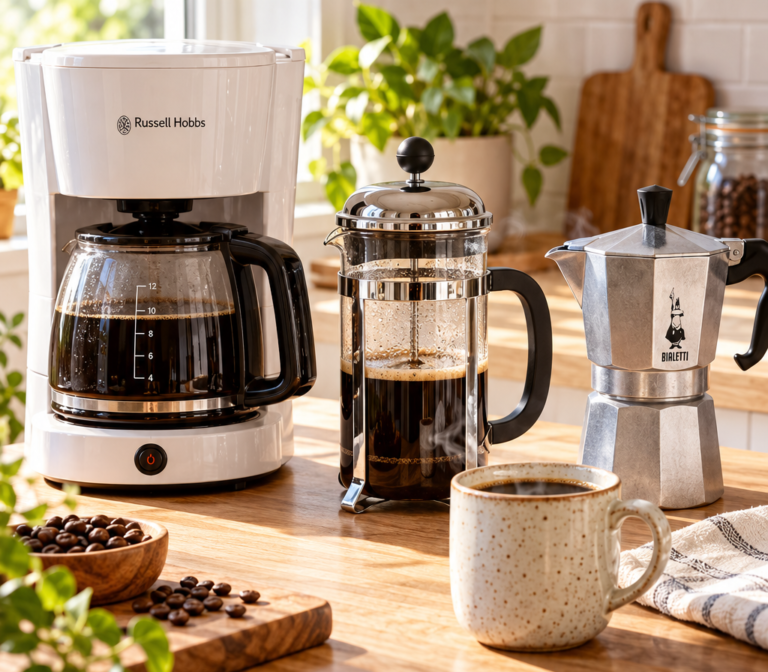
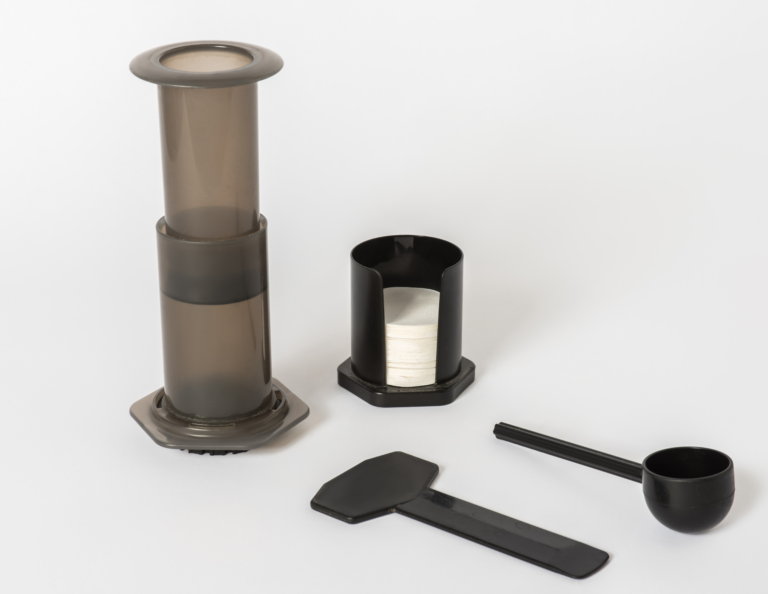
The other half of the category is quieter and much cheaper to run. An AeroPress, a Hario V60 dripper, a small moka pot or a single-cup filter cone all make one cup at a time from ground coffee. Our guide to the best AeroPress coffee maker covers the most popular of these in detail.
These need thirty seconds more attention than pressing a button, but they cost a fraction as much per cup and produce coffee that a pod machine can’t match. Whether that’s a fair swap depends entirely on what your mornings look like.
The Keurig Problem Nobody Warns UK Buyers About
Here’s the thing that trips up British readers landing on American guides. Keurig is the default single serve system in the US and barely a footnote here.
You will not find K-Cups in Tesco or Sainsbury’s alongside the Nespresso and Dolce Gusto ranges. Getting hold of them in the UK means specialist online retailers, international marketplaces, or importing, and importing pods is a slow and expensive way to drink coffee. UK-based alternatives such as KPod now sell Keurig-compatible pods and machines domestically, which solves the supply problem, but you’re buying into a niche rather than a mainstream format.
If a guide opens by recommending a Keurig K-Supreme, it wasn’t written with your kitchen in mind. Our Dolce Gusto vs Keurig comparison goes deeper on why that matters, and if you already own a Keurig or inherited one, the Keurig machine guide covers getting the best from it.
The practical upshot: for UK buyers, the real decision sits between Nespresso Original, Nespresso Vertuo and Dolce Gusto, with Tassimo as a conditional fourth.
💷 What Each System Actually Costs to Run
This is where most buying decisions go wrong. People compare machine prices, which vary by maybe £60, and ignore pod prices, which vary by hundreds of pounds over the life of the machine.
At two cups a day, or roughly 730 cups a year, the numbers separate sharply. Dolce Gusto pods averaging around 28p work out near £204 a year. Nespresso Original pods at around 36p land closer to £263. Nespresso Vertuo, closer to 50p a pod, pushes past £360.
Then third-party pods change the picture completely. Compatible capsules for Nespresso Original drop to roughly 15p to 25p each, which takes that same year down to around £146 and undercuts everything else on the market. Dolce Gusto compatibles exist but are far less common, because Nestlé holds that format tightly.
The comparison the brands don’t put on the box
| System | Typical machine price | Typical pod cost | Rough annual cost at 2 cups/day |
|---|---|---|---|
| Nespresso Original (third-party pods) | £69 to £105 | 15p to 25p | ~£146 |
| Nescafé Dolce Gusto | £25 to £85 | ~28p | ~£204 |
| Nespresso Original (brand pods) | £69 to £105 | ~36p | ~£263 |
| Nespresso Vertuo | £60 to £120 | ~50p | ~£365 |
| Ground coffee, manual brewer | £11 to £40 | 12p to 20p | ~£110 |
Machine prices swing hard around Prime Day, Black Friday and the spring sales, and pod machines are discounted more aggressively than almost any other kitchen appliance. The Vertuo Pop in particular has repeatedly dropped from around £80 to £50 to £60, and bundle deals with a milk frother have gone as low as £99.
If you’re weighing a pod machine against something more substantial, our guide to the best coffee machines for home in the UK puts the whole range in context, and the under £50 buyer’s guide covers the budget end properly.
Running cost calculator
What your coffee habit actually costs
The machine price is the number everyone compares. The pod price is the one that decides what you spend. Set your cups per day and see the gap.
Pod prices are UK averages checked in August 2026 and move with sales and pack sizes. Tassimo figures are for coffee-only T‑Discs; milk drinks use two discs and cost closer to £1.50 a cup. Coffee shop figure assumes £3.50 a drink. Treat all of it as a realistic guide rather than a quote.
🏆 The Systems Worth Considering in a UK Kitchen
Nespresso Original
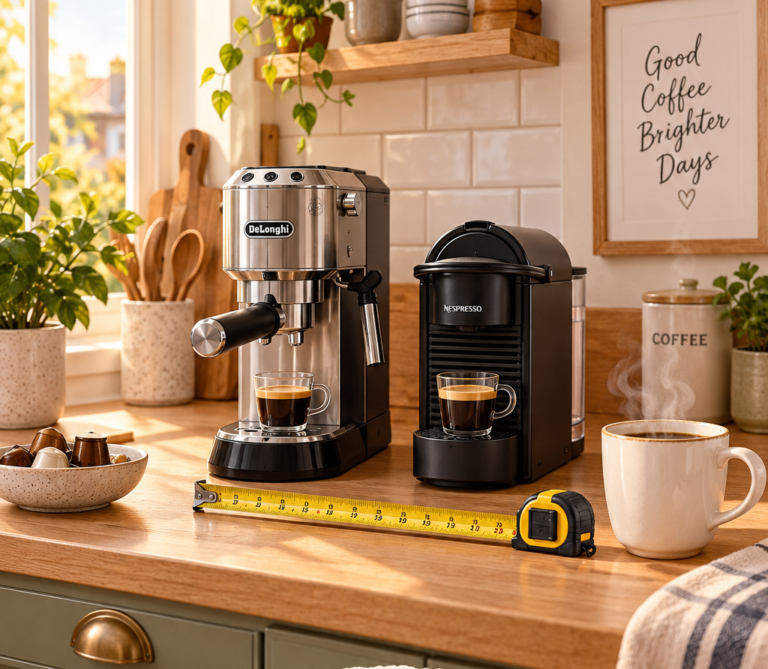
The Original line uses 19-bar pump extraction and includes the Essenza Mini, Inissia, Pixie and CitiZ, plus the milk-capable Lattissima models. The Inissia is the UK’s best-selling pod machine and the one most Nespresso owners buy first, usually somewhere between £69 and £89.
Original is the sensible default for most UK households, and the reason is the pod market rather than the machines. Because the format is open, you can buy compatible aluminium capsules from Lidl, Aldi, L’OR and dozens of speciality roasters, often at less than half Nespresso’s own price. Nobody else offers that flexibility.
The coffee itself is genuinely good, with a dense shot and stable crema. What it won’t do is make a milky drink on its own, so a cappuccino means a separate frother.
Nespresso Vertuo
Vertuo uses centrifusion, spinning the capsule while reading a barcode on the rim to set the brew parameters automatically. It covers a wider range of cup sizes, from a 25ml ristretto up to a 355ml XL, which suits people who drink long black coffee rather than espresso.
The Vertuo Pop is the compact entry point and frequently the best value pod machine in the UK on price alone. The catch is the format lock: the barcode system means your pod choices are dramatically narrower than Original, and you’ll pay around 50p a cup for the privilege.
Pick Vertuo if you drink mug-sized coffee and value convenience over running costs. Pick Original if you drink espresso-based drinks and want cheap pods. Our full Dolce Gusto vs Nespresso comparison breaks the wider decision down further.
Nescafé Dolce Gusto
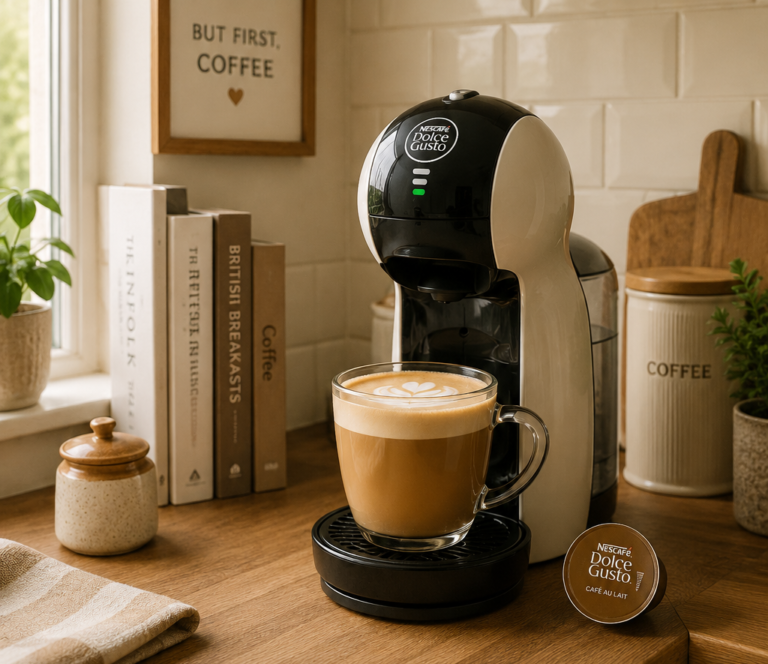
Dolce Gusto is the broadest system in the UK for drink variety, with over 40 options covering espresso, lungo, latte, cappuccino, flat white, hot chocolate and more. Machines start remarkably low, with the Piccolo XS regularly available around £25 to £30 and the Genio S range sitting higher.
The distinctive bit is how it handles milk. Most milky drinks use two pods, one coffee and one milk, brewed in sequence into the same cup. The milk pod contains skimmed milk powder plus a frothing agent, which rehydrates under hot water. It’s convincing enough for everyday drinking and nothing like fresh steamed milk.
The newer Neo range moves to paper pods, which is Nestlé’s direct answer to plastic waste criticism, though those machines only take Neo capsules. Our Dolce Gusto machine comparison covers which model suits which household, and the pod flavours guide is worth a look before you commit to a system on drink range alone.
Tassimo
Tassimo uses barcoded T-Discs to set brewing temperature, pressure and volume, and it holds two brand partnerships UK buyers genuinely care about: Costa and Cadbury. If your household drinks a lot of hot chocolate, the Cadbury range is the strongest in the UK pod market and no other system matches it.
The reason Tassimo sits below the others here is supply. The T-Disc barcode is patented and hasn’t been licensed broadly, so it’s effectively a closed system with almost no compatible pods. Bosch has scaled the range back, and some discs have become harder to source. Milk drinks use UHT milk concentrate rather than powder, which does produce a creamier result than Dolce Gusto.
Buy Tassimo for the Costa and Cadbury range specifically. Don’t buy it expecting long-term pod flexibility.
Lavazza and Illy
Both are worth a mention for anyone who wants Italian espresso and knows they won’t crave variety. Lavazza A Modo Mio machines are affordable and the pods are widely stocked in UK supermarkets. Illy sits at the premium end with a smaller, more focused range. Neither offers the drink breadth of Dolce Gusto or the pod economics of Nespresso Original.
🔧 Single Cup Coffee Without the Pods
Pod machines are not the only way to make one cup at a time, and for some households they’re the wrong answer entirely.
An AeroPress runs around £38 to £40 and makes a strong, smooth cup in under two minutes, with cleanup that’s a single push into the bin. A Hario V60 dripper starts as low as £11 and produces a brighter, cleaner cup if you enjoy the technique. A small moka pot sits around £25 and needs no filters at all, and our moka pot guide walks through getting it right.
The running cost is the headline. Ground coffee works out somewhere between 12p and 20p a cup depending on what you buy, and AeroPress paper filters cost around a penny each and can be rinsed and reused several times over. Over a year at two cups a day, that’s the cheapest quality coffee you can make at home.
What you give up is the button. Manual brewing means weighing coffee, boiling a kettle, and paying attention for two minutes. Some people find that the best part of the morning. Others resent it by Wednesday. If you’re in the second camp, buy the pod machine and don’t feel guilty about it. If you’re curious, our AeroPress tips and tricks will get you to a good cup faster.
There’s a middle option worth knowing about too. Refillable stainless steel capsules let you use your own ground coffee in a Nespresso Original machine, which cuts running costs sharply while keeping the machine. They need a finer grind and a firmer tamp than most people expect, and results are inconsistent until you find the sweet spot, but they work.
♻️ The Recycling Question Has Changed in 2026
Pod waste is the single most common objection to these machines, and the UK position has shifted this year in a way that catches people out.
Podback is the nationwide not-for-profit scheme created by Nespresso, Nescafé Dolce Gusto and Tassimo. Pods go into free scheme bags, white for aluminium and green for plastic, which have to be kept separate because they go to different reprocessing plants. Everything is processed in the UK: aluminium in South Wales, plastic in East Yorkshire, with the coffee grounds sent for anaerobic digestion.
The change is that several councils ended their kerbside pod collections through early 2026 as Podback expanded its drop-off network instead. Hounslow and South Derbyshire both wound theirs down in February. If your council was collecting pods from your doorstep, check whether it still is, because the alternative now is a supermarket drop-off point or a household recycling centre.
That’s still a workable system, but it’s a trip rather than a bin. Worth factoring in if the environmental side matters to you, and our piece on eco-friendly coffee production covers the broader picture. Compostable pods exist, but most break down only in industrial composting and not in a home compost bin, so they’re less of a fix than the packaging suggests.
🥛 Milk Drinks Are Where These Systems Really Split
If you drink your coffee black, almost any of these systems will keep you happy and you should optimise for pod price. If you drink lattes, flat whites or cappuccinos, milk handling should drive the whole decision.
Nespresso Original and Vertuo brew coffee only. To make a milk drink you need a separate frother, either the bundled Aeroccino or a cheaper standalone one. That’s an extra step and an extra thing to wash, but it uses real milk and gives you the best result of any option here.
Dolce Gusto and Tassimo build the milk into the pod, which means one machine, no frothing, and no washing up. Dolce Gusto uses milk powder, Tassimo uses UHT concentrate, and the Tassimo version holds its foam noticeably longer. Neither tastes like properly steamed milk, and if you’ve been drinking flat whites from an independent café you’ll notice immediately.
The third route is to buy an Original machine and a decent standalone frother, which lets you use oat milk, whole milk or whatever you actually keep in the fridge. Our guide to frothing milk for coffee covers getting good foam without a steam wand, and there’s a solid range of frothers and accessories in the Brewforge shop if you’re building out a setup.
🧭 Matching the System to Your Household
Here’s the shortcut, based on the pattern most UK households fall into.
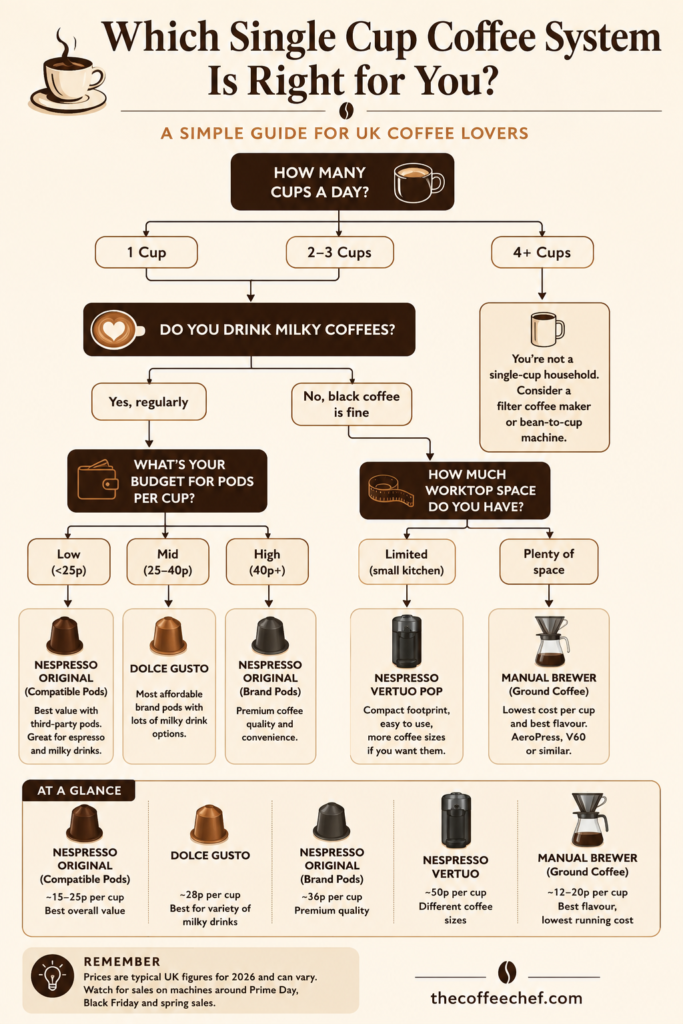
One or two coffees a day, black, cost-conscious. Nespresso Original with third-party pods, or an AeroPress if you don’t mind the extra two minutes. Both land near or under £150 a year.
Family of three or four with mixed tastes. Dolce Gusto. The drink range genuinely earns its place when one person wants a flat white, one wants a hot chocolate and one wants an espresso, and the machines are cheap enough that a mistake doesn’t hurt.
Big mugs of long black coffee. Nespresso Vertuo, and accept the running cost. Nothing else does mug-sized coffee this well from a capsule.
Three or more coffees a day, every day. Stop looking at pods. At that volume a bean-to-cup machine pays back its higher price within about eighteen months, and the coffee is better throughout.
Small kitchen, limited worktop. The Essenza Mini and the Piccolo XS are the two smallest footprints worth buying, and our coffee bar ideas for small kitchens has more on making a compact setup work.
Shared office or small team. Dolce Gusto or Tassimo, because drink variety keeps more people happy than coffee quality does in that setting. Our office capsule machine guide goes into the specifics.
✅ The Verdict
If you want one answer, it’s Nespresso Original. Not because the machines are the best built or the cheapest to buy, but because the open pod format is the only one that keeps your costs down for the entire time you own it. A £75 Inissia running compatible pods at 20p a cup is the most sensible single cup coffee system a UK household can buy in 2026, and adding a standalone frother covers milk drinks properly.
Dolce Gusto is the better answer for households with genuinely mixed tastes, and Vertuo is the better answer if your daily coffee is a full mug rather than a shot. Tassimo makes sense for Costa and Cadbury loyalists and not for much else.
And if you’ve read all of this and quietly thought that spending two minutes making coffee sounds fine, buy an AeroPress and some decent beans. It’ll cost you £40, run at roughly 15p a cup, and make better coffee than every machine on this page.
Whichever way you go, the running cost is the number that matters. Work out your cups per day, multiply by 365, and multiply that by the pod price before you look at a single machine review. If you like keeping track of what you’re actually drinking and spending, the Coffee Planner has a brewing log and a favourite blends tracker built in.
Continue Your Journey
- Dolce Gusto vs Nespresso UK for a head-to-head on the two biggest pod systems
- Best Coffee Machines for Home UK if you’re weighing pods against espresso and bean-to-cup
- Best Coffee Maker Under £50 UK for the budget end of the market
- How to Choose a Coffee Machine for Your Home Bar if the machine needs to fit a wider setup
- The Ultimate Guide to Caffeine in Coffee for how pod sizes affect what you’re actually drinking
So which camp are you in: the press-a-button crowd, or the two-minutes-and-a-kettle crowd? Tell me in the comments, I’m genuinely curious how the split falls.