Coffee, a beverage revered worldwide for its rich taste and energizing effect, is much more than just a morning ritual for many. It’s a reflection of culture, tradition, and the artistry of those who prepare it. Whether you’re a seasoned coffee enthusiast or a home barista ready to explore new horizons, understanding the types of coffee beans is the key to unlocking the full spectrum of flavors and aromas this beloved drink has to offer.
As an Amazon Associate, I earn from qualifying purchases and sometimes recommend products from other sellers at no extra cost to you. For more details see my disclosure policy and privacy policy.

Introduction to the World of Coffee
Coffee has a storied history, with its roots tracing back to ancient Ethiopia, where it is believed the coffee plant was first discovered. Today, it stands as one of the most consumed beverages worldwide, with many varieties catering to diverse preferences and palettes. The journey of coffee from bean to cup is a complex and fascinating process, with each step profoundly influencing the final taste.
Why Beans Over Ground Coffee?
Many coffee aficionados prefer whole beans over pre-ground coffee for several compelling reasons. First, whole beans retain freshness, flavors, and aromas longer than ground coffee. This is because the surface area exposed to air is significantly reduced in whole beans, slowing down the oxidation process that degrades quality.

The Coffee Chef Planner
Daily planning, journalling, and a proper coffee tasting log with a flavour wheel — 20 pages in one printable bundle.
Shop the planner →
Brewforge
A growing edit of coffee bar gear we’d genuinely want on our own counter, added to as we find things worth having.
Shop Brewforge →Also, grinding your beans before brewing allows for a more customizable experience. You can adjust the grind size to suit your brewing method of choice, be it a fine grind for espresso or a coarse one for French press, optimizing the extraction and, consequently, the taste.
Lastly, purchasing whole beans offers an opportunity to engage directly with the origin of the coffee, understanding the bean’s characteristics and the story behind its cultivation and processing. For those looking to deepen their appreciation and knowledge of coffee, starting with whole beans is a step in the right direction.
Types of Coffee Beans
Arabica
Arabica beans reign supreme in the coffee world, known for their smooth, subtle flavors and a higher concentration of sugar compared to other types. They thrive in high altitudes and are primarily grown in Latin America, East Africa, and Arabia. Arabica beans are favored for their wide range of flavors, from sweet and fruity to tangy and sharp, depending on their origin.

Robusta
Robusta beans pack a punch with their strong, bold flavor and a hint of chocolate. Robusta offers a robust profile that is perfect for those seeking a vigorous taste, containing nearly twice the amount of caffeine as Arabica beans. These beans are predominantly cultivated in Africa and Indonesia and are often used in espresso blends for an extra kick.
Lesser-Known Varieties
While Arabica and Robusta are the most well-known, the coffee world is teeming with other lesser-known varieties that coffee enthusiasts should explore. These include Liberica, with its unique fruity and floral notes, and Excelsa, which offers a tart and fruity flavor. Each variety offers something unique, expanding the horizon for exploration and enjoyment.
Flavor Profiles
The flavor of coffee is a meticulous interplay between its type, roast, and origin. Dark roasts yield a stronger, more bitter flavor, while medium and light roasts bring out the bean’s inherent qualities, whether they’re nutty, fruity, or floral. The country of origin also plays a critical role in influencing the coffee’s acidity, body, and flavor notes.

Light Roasts
Light roasts are perfect for those who appreciate the original flavor of the coffee bean. The beans are roasted for a shorter period, retaining a higher acidity level and original character. This roast is ideal for single-origin coffees, where the unique flavors and aromas of the bean’s origin are highlighted. Light roasts are often preferred for manual brewing methods like pour-over or Aeropress, which can accentuate the bean’s natural complexity.
Medium Roasts
Medium roasts strike a balance between preserving the bean’s original flavor and adding the characteristics introduced by roasting. They have a richer body and are more balanced in acidity, making them incredibly versatile. Medium roasts are excellent for a wide range of coffee types but especially shine in automated drip or siphon coffee makers. They reveal a complexity that can appeal to both newcomers and seasoned coffee drinkers alike.
Dark Roasts
Dark roasts are known for their bold, rich, and often bitter flavor, with reduced acidity. They are roasted until they oil on the surface, giving them a distinctive sheen. This roast level is preferred for espresso blends as it provides the intensity and body that works well under the high pressure of espresso machines. Dark roasts are also the go-to choice for those who enjoy adding milk to their coffee, as the robust flavor cuts through the sweetness of milk or cream.
Each roast level brings out different facets of the coffee bean, from the light, nuanced flavors of light roasts to the bold and rich characteristics of dark roasts. By understanding the roast levels, you can refine your coffee selection and brewing method to perfectly suit your taste.
Sourcing the Best Beans
Selecting high-quality beans is paramount for home baristas looking to elevate their coffee experience. Look for freshly roasted beans, ideally within the past month, and pay attention to the roast date rather than the expiration date. Specialty coffee shops and local roasters can offer a selection of high-quality beans, providing insights into their flavor profiles and origin.
To make your coffee experience extraordinary, keep these tips in mind when selecting your beans:
- Freshness is Key: Opt for beans that have been roasted within the past month. Fresh beans will give you the most flavor and aroma.
- Know Your Preferences: Identify whether you prefer a mild, medium, or bold flavor. This will help you choose between Arabica and Robusta, or even explore other varieties.
- Consider the Roast Date: Always check the roast date on the package. Beans are at their peak flavor a few days after roasting and can stay fresh for up to a month when properly stored.
- Single-Origin vs Blends: Single-origin beans offer unique flavors reflective of their specific growing region. Blends combine beans from various regions for a balanced taste. Decide based on the complexity of flavor you’re looking for.
- Experiment with Roasts: Try different roast levels to find what suits your palate. Your preference for light, medium, or dark roasts can significantly influence your coffee experience.
- Buy Small Quantities: When trying new beans, purchase small amounts. This way, you can experiment without committing to a large batch that might not meet your taste preferences.
- Seek Out Specialty Roasters: Specialty coffee shops and local roasters often provide higher quality beans than supermarket brands. They can also offer valuable advice and insights into the origins and characteristics of their beans.
- Pay Attention to Packaging: Look for packaging that includes a one-way valve. This valve allows gases to escape without letting air in, helping maintain the beans’ freshness longer.
By following these tips, you’ll be well on your way to enjoying a higher quality cup of coffee that perfectly suits your tastes and preferences.
Renowned Coffee-Producing Countries and Their Offerings
The world of coffee is global, encompassing a tapestry of countries each offering beans with unique characteristics and flavors. Here’s a glimpse into some of the most notable coffee-producing countries, the type of beans they’re known for, and what sets them apart:
Brazil
- Type: Arabica, some Robusta
- Best for: Consistency and balance, with a profile that’s often nutty, chocolatey, and with a low acidity. Brazil is the world’s largest producer of coffee.
Colombia
- Type: Arabica
- Best for: A rich array of flavors, typically with a mild, fruity, and nutty profile. Known for their high quality, Colombian beans are often sought after for their smooth taste.
Ethiopia
- Type: Arabica
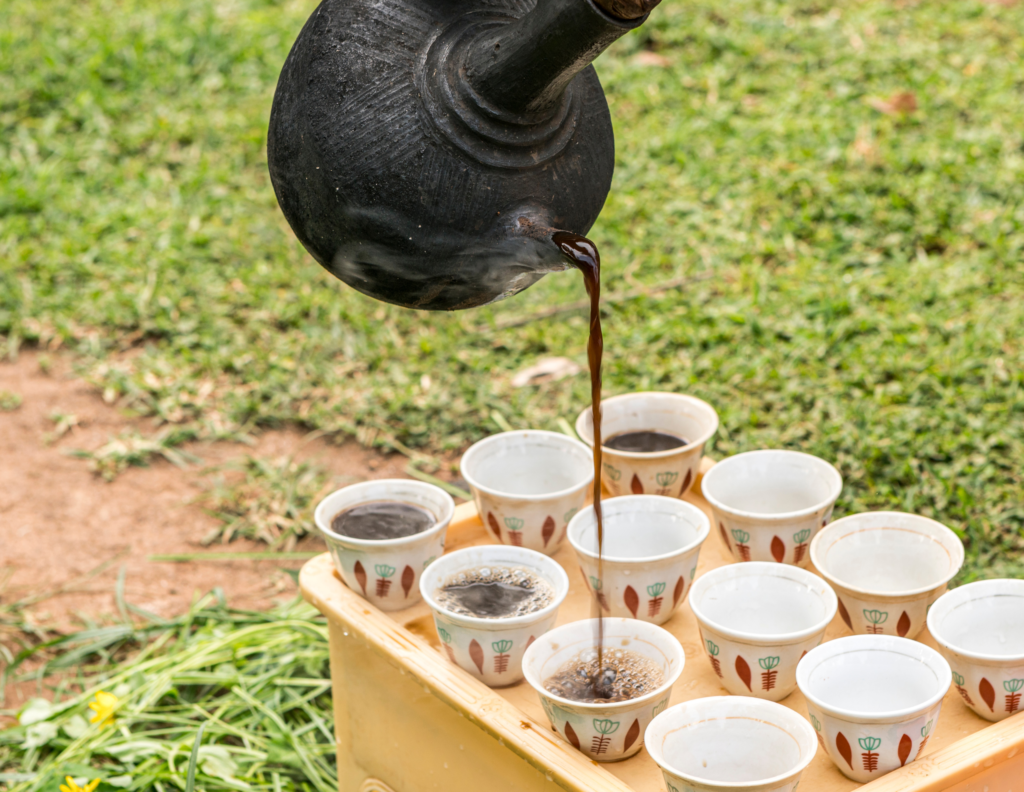
- Best for: Unique and diverse flavor profiles ranging from floral and fruity to winey and spicy. Ethiopia is considered the birthplace of coffee and offers some of the most complex flavors in the coffee world.
Vietnam
- Type: Primarily Robusta
- Best for: Producing strong, bold coffee with a distinctive earthy, and sometimes smoky flavor. Vietnam is the world’s largest producer of Robusta beans, ideal for espresso and dark roasts.
Indonesia
- Type: Arabica and Robusta
- Best for: Offering a wide range of flavor profiles, from smooth and mild to deep and full-bodied. Indonesian coffees, like those from Sumatra, are often noted for their earthy, spicy, and complex flavors.
Kenya
- Type: Arabica
- Best for: High acidity and rich flavor with berry or citrus notes. Kenyan coffee is often described as bold and intense, favored by those looking for vibrant, flavorful cups.
By exploring coffees from these countries, enthusiasts can experience the vast diversity of flavors and aromas that the world of coffee has to offer. Each country’s unique climate, soil, and cultivation practices contribute to the distinctive qualities found in their beans, making every cup a new discovery.
Brewing Recommendations
Each type of bean may require different brewing methods to fully capture its unique characteristics. For example, Arabica beans generally pair well with pour-over or drip coffee methods, which highlight their delicate flavors. Robusta, being stronger, can excel in espresso or Turkish coffee, where its boldness shines through.
Choosing the right beans for your coffee can drastically improve your brewing experience and the taste of your coffee. Here are some tailored tips to help you select the best beans for different types of coffee:
- Espresso: For a classic espresso, a dark roast of Arabica beans or a blend that includes some Robusta offers the intense flavor and rich crema sought after in espresso shots. Example: A blend of Brazilian and Ethiopian beans can perfectly balance sweetness and bitterness.
- Cold Brew: When making cold brew, opt for a medium to dark roast to highlight the coffee’s inherent sweetness and full body since this brewing method tends to smooth out acidity. Example: Single-origin Colombian beans work well for a smooth, chocolatey cold brew.
- Pour-over: For pour-over coffee, light to medium roast beans are ideal as this method is excellent at highlighting the bean’s complex flavor profiles, such as floral and fruity notes. Example: Kenyan AA beans can offer bright acidity and a rich berry-like flavor that’s perfect for pour-over.
- French Press: A medium to dark roast coffee works best with a French Press, which excels in extracting the deep, rich flavors from the beans. A coarser grind will also ensure a clean cup without sediment. Example: Sumatran beans can provide the earthy, full-bodied taste that’s fantastic for French Press users.
- Aeropress: Due to its versatility, virtually any roast level can be brewed with an Aeropress. However, experimenting with a medium roast can offer a balanced cup that is both rich and flavorful. Example: Ethiopian beans are great for capturing a range of floral and fruity tones with the Aeropress.
Remember, these suggestions are starting points. The beauty of coffee lies in its diversity and the endless possibilities for experimentation. Try different beans, roasts, and brewing methods to discover what tastes best to you.
Health Benefits and Considerations
Beyond flavor, coffee beans exhibit a range of health benefits, from enhancing energy levels and mental alertness to containing antioxidants. However, moderation is key, as excessive consumption can lead to adverse effects. Understanding the caffeine content and how it affects your body is essential for a healthy and enjoyable coffee-drinking experience.
Drinking coffee is a daily ritual for millions worldwide, valued not only for its rich flavors and energy-boosting properties but also for its potential health benefits. Scientific studies suggest that moderate coffee consumption may be linked to a lower risk of several diseases, including Parkinson’s disease, Type 2 diabetes, and certain types of cancer. Additionally, the antioxidants found in coffee can help fight inflammation and protect against cell damage.
However, it’s important to weigh these benefits against the possible downsides. For some individuals, consuming coffee can lead to increased anxiety, disrupted sleep patterns, and digestive issues. Caffeine, a central stimulant in coffee, can also be habit-forming, with excessive intake leading to dependence. Pregnant women, people with heart conditions, and those sensitive to caffeine should exercise caution and possibly limit their coffee intake.
Balancing the pros and cons of coffee consumption involves understanding your own body’s reactions to caffeine and moderating your intake to suit your health needs and lifestyle. Always consider consulting with a healthcare professional if you have concerns about how coffee might affect your health.
Conclusion
The world of coffee beans is rich and diverse, offering endless possibilities for exploration and enjoyment. From the velvety smoothness of Arabica to the robust intensity of Robusta and beyond, there’s a bean out there for every taste and preference. We encourage you to step out of your comfort zone, try new varieties, and discover the perfect brew that speaks to your soul. Happy brewing!
If you’re eager to expand your coffee knowledge or taste the difference for yourself, start exploring today. Seek out specialty coffee roasters, experiment with brewing methods, and share your discoveries with fellow coffee lovers. Together, we can continue to uncover the exquisite complexity and boundless delights of the coffee world.