The story of Central American coffee unfolds across mountain ranges and volcanic slopes, where each region writes its own chapter in flavor and tradition. From Guatemala’s ancient volcanic soils to Panama’s innovative farms, these regions produce some of the world’s most distinctive coffees.
As an Amazon Associate, I earn from qualifying purchases and sometimes recommend products from other sellers at no extra cost to you. For more details see my disclosure policy and privacy policy.
Guatemala’s Prime Growing Regions
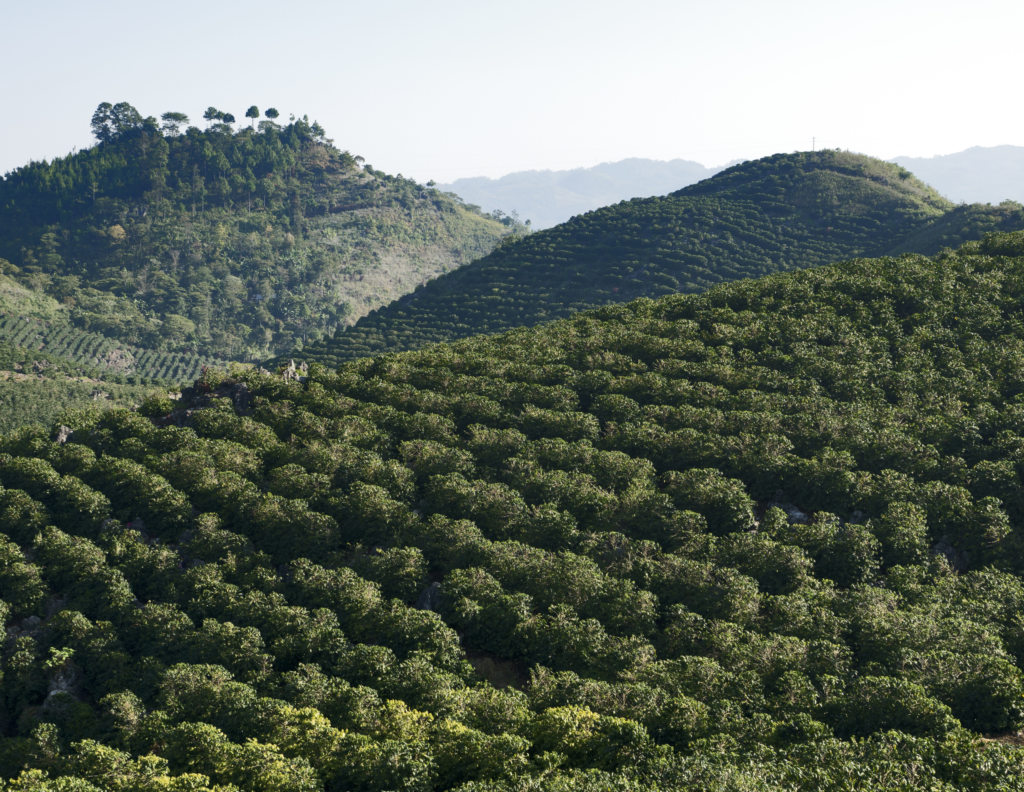
Guatemala stands as a testament to volcanic influence on coffee cultivation. Nestled between three volcanoes, this region’s mineral-rich soil creates beans with a refined acid structure and heavy body. Baristas particularly love Antigua beans for their versatility across brewing methods.
- Signature Characteristics:
- Rich chocolate undertones
- Smooth, creamy body
- Subtle spice notes
- Clean, bright finish
Huehuetenango brings us to Guatemala’s highest and driest non-volcanic region. Here, the extreme altitude and unique climate create beans that shine with bright fruit notes and a lingering sweet finish. The remote location means most farmers still dry their coffee the traditional way – on patios under the mountain sun.

The Coffee Chef Planner
Daily planning, journalling, and a proper coffee tasting log with a flavour wheel — 20 pages in one printable bundle.
Shop the planner →
Brewforge
A growing edit of coffee bar gear we’d genuinely want on our own counter, added to as we find things worth having.
Shop Brewforge →Best brewing approaches for Huehuetenango beans:
- Pour-over to highlight the crisp, clean flavors
- AeroPress to emphasize the fruity notes
- Espresso to bring out caramel sweetness
Costa Rica’s Distinguished Regions
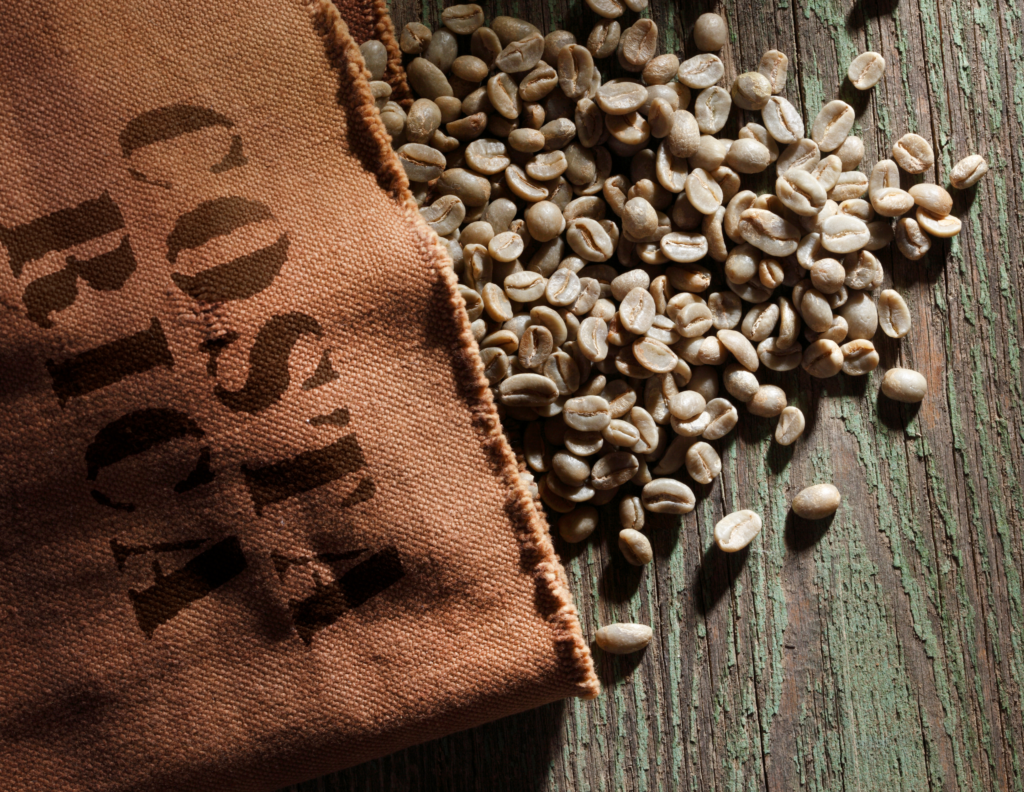
The Tarrazu region sets the standard for Costa Rican coffee excellence. Grown at elevations reaching beyond 1,800 meters, these beans develop intense aromatics and bright acidity that sets them apart. Local farmers have perfected the art of processing, often experimenting with different methods to showcase their crop’s best characteristics.
Central Valley holds special significance as Costa Rica’s coffee birthplace. The beans here tell a story of balance – neither too bright nor too mild, but perfectly centered with subtle fruit notes and caramel sweetness. Farmers in this region often maintain small plots, allowing for meticulous attention to each tree.
- Processing Innovations:
- Mechanical washing for consistency
- Solar drying techniques
- Experimental fermentation methods
- Water conservation practices
Panama’s Coffee Revolution
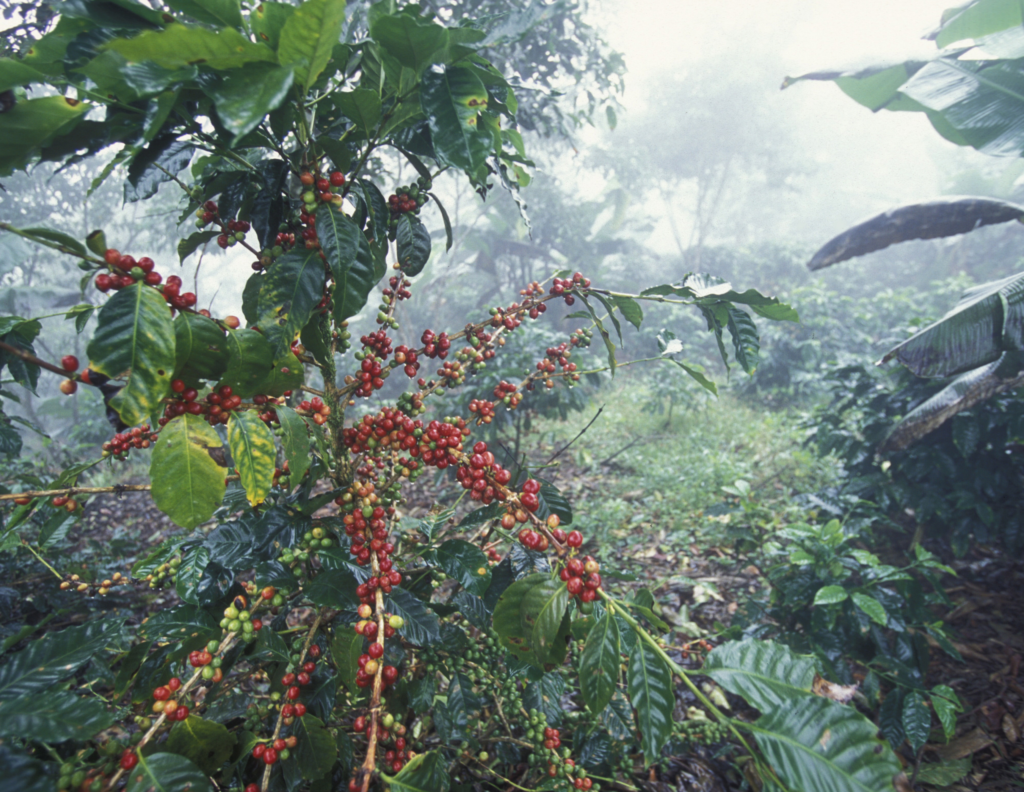
Boquete has redefined what’s possible in coffee cultivation, particularly with the Gesha variety. This region’s unique microclimate creates perfect conditions for developing complex flavor profiles that have captured the attention of coffee enthusiasts worldwide.
- Award-Winning Characteristics:
- Jasmine aromatics
- Bergamot notes
- Clean, tea-like body
- Extended sweet finish
Brewing Fundamentals
Understanding how to brew these exceptional beans makes all the difference in your cup. Each processing method requires a slightly different approach to showcase its best qualities.
Washed Process coffees shine with clarity and brightness. These clean, crisp cups need precise brewing to highlight their natural characteristics:
- Brewing Parameters:
- Water: 195-205°F
- Grind: Medium to medium-fine
- Ratio: 1:16 to 1:17 coffee to water
- Time: 2:30-3:30 for pour-over
Honey Process beans bring additional body and sweetness to the cup. This unique processing method creates coffees that bridge the gap between washed and natural processes. Costa Rican producers have particularly mastered this approach, creating everything from light yellow honey to black honey processed coffees.
Natural Process coffees require special attention to their intense flavors. These full-bodied, fruit-forward coffees work beautifully in several brewing methods:
- Best Applications:
- Cold brew for smooth summer drinking
- French Press for full body
- Espresso for concentrated flavor
Seasonal Guide
Coffee, like any agricultural product, follows seasonal patterns. Understanding these cycles helps you buy beans at their peak:
Guatemala’s harvest runs from December through March, with the best beans typically arriving in North American markets between March and August. The high altitude regions often harvest later, producing some of the most complex flavors.
Costa Rica sees its peak harvest from November through February. The careful processing and sorting mean these beans usually hit markets between February and July, with the highest altitude lots arriving last.
- Buying Tips:
- Look for harvest dates on packaging
- Buy smaller quantities more frequently
- Pay attention to altitude information
- Notice processing methods
Storage Essentials
The care put into growing these exceptional coffees deserves equal attention in storage. Proper storage preserves the unique characteristics that make Central American coffees special.
For daily use, keep your beans in an airtight container away from heat, light, and moisture. Room temperature storage works perfectly for coffee you’ll use within a month of its roast date.
- Long-term Storage Strategy:
- Divide beans into weekly portions
- Use airtight containers
- Freeze unused portions
- Thaw completely before opening
These storage methods help maintain the bright acidity of Guatemalan coffees, the sweet balance of Costa Rican beans, and the complex florals of Panamanian Gesha.