Ever wondered what could sweeten your coffee without the extra calories? The quest for the perfect coffee companion often leads us to the land of artificial sweeteners. With a wave of health-conscious trends, more java lovers are reaching for these sugar substitutes. They promise sweetness without the guilt, yet they come with their own unique flavors and effects on your cherished morning brew. It’s key to pick one that suits your taste buds.
As an Amazon Associate, I earn from qualifying purchases and sometimes recommend products from other sellers at no extra cost to you. For more details see my disclosure policy and privacy policy.
Navigating the sweetener aisle can feel like decoding a complex puzzle. You’ll find options like aspartame, stevia, and sucralose, each with its own story. Stevia, pulled from the leaves of a plant, boasts a natural origin. Aspartame, a common choice, offers a potent punch of sweetness. Sucralose, crafted in a lab, stands out for its no-calorie appeal. These alternatives aren’t just about cutting calories; they can transform your coffee’s taste profile, making the choice deeply personal.
The right sweetener does more than just add sweetness; it becomes a part of your daily ritual, a quiet nod to your wellness goals. As we move forward, we embark on “The Quest for the Perfect Coffee Sweetener.” It’s not just about what’s good on paper but what resonates with your palate. Your ideal match awaits, possibly hidden among the many packets and jars, waiting to be discovered and make your coffee experience uniquely yours.

The Coffee Chef Planner
Daily planning, journalling, and a proper coffee tasting log with a flavour wheel — 20 pages in one printable bundle.
Shop the planner →
Brewforge
A growing edit of coffee bar gear we’d genuinely want on our own counter, added to as we find things worth having.
Shop Brewforge →The Quest for the Perfect Coffee Sweetener

Seeking out the sweet spot for your morning brew? You’re not alone. Many coffee aficionados wander through a maze of options to find the perfect sweetener. It’s not just about taste; it’s about health and satisfaction too.
Understanding Artificial Sweeteners
So what’s the scoop on these sugar stand-ins? Artificial sweeteners are synthetic sugar substitutes. They can be many times sweeter than sugar, yet they pack almost no calories. Common types you might find in coffee include aspartame, sucralose, and saccharin. Each comes with its own flavor profile and potential health implications. For many, they offer a sweet solution without the sugar spike.
- Aspartame: Found in brands like Equal
- Sucralose: Also known as Splenda
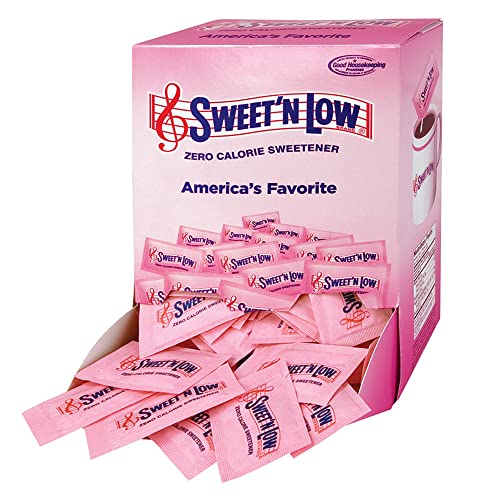
- Saccharin: Sweet’N Low is a popular choice
Why go artificial? For some, it’s a weight management tactic. For others, it’s about controlling blood sugar. Yet, like anything, moderation is key, and there’s a buzz about their long-term safety.
Taste Test: Comparing Sweeteners in Coffee
Taste is king when it comes to coffee. Finding your sweet match means testing. Start with a small amount. Note any aftertastes. How does it mingle with the coffee’s acidity or bitterness? Some sweeteners may overpower, others might underwhelm. Balance is everything.
Tips for a Successful Taste Test:
- Start with a clean palate
- Keep notes on each sweetener’s impact
- Compare against a sip of unsweetened coffee
Health Considerations and Sweetener Selection
Sugar’s health rap sheet is long, and artificial sweeteners often enter the witness stand. While they dodge the calorie bullet, questions about their long-term effects linger. Still, agencies like the FDA give most the green light within certain limits.
Research varies, but moderation seems wise. If you’re eyeing health goals, consider:
- Your daily calorie intake
- Your current health condition
- Recommendations from health professionals
Health Stats to Stir In:
- A staggering 30-50% of the US population uses artificial sweeteners daily.
- The FDA has established acceptable daily intake levels for each approved sweetener.
Choosing the right sweetener is a personal journey—taste, health, even your environmental ethos play a role. Still curious about finding your sweet fit? Keep your eyes peeled. We’ll keep stirring up insights on how to sweeten your cup the right way.
Sweetener Profiles: A Deep Dive
 Picking the right sweetener for your coffee can be a game changer. With options aplenty, it’s key to know which one fits your taste and health preferences. Here, we’ll look closely at some artificial sweeteners that have caught the eye of coffee aficionados.
Saccharin: A Pioneer in Sweetness
- History and development: Saccharin was discovered in the late 1800s. It’s a sweetener that’s been around for more than a century!
- Taste in coffee: Some say it has a bit of a metallic aftertaste. But many find it works well in their daily brew.
- Health perspective: Studies from the past raised concerns, but recent research suggests it’s safe for consumption.
Sucralose: The Splendid Option
- Creation: Sucralose hit the scene in the 1970s. It’s made from sugar itself, altered to pass through the body without being digested.
- Heat stability: Perfect for hot coffee. Sucralose doesn’t break down with heat, so it keeps your coffee sweet.
- Customer reviews: Many coffee drinkers praise its sugar-like taste without the calories. It’s a popular choice for many.
Stevia: The Natural Alternative
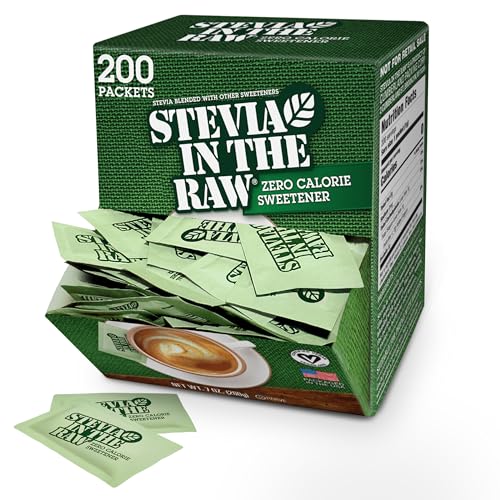
- Natural origins: Stevia comes from a plant. It’s a natural sweetener that’s been used for hundreds of years.
- Taste comparison: Stevia is sweeter than sugar, so you need less. Some detect a licorice-like flavor, which can be a plus or minus.
- Health benefits: Zero calories and may lower blood sugar levels. It’s a win-win for health-conscious folks.
As we wrap up this sweet discussion, we find our taste buds curious about how these choices blend into the larger world of coffee culture. After all, each sip is not just about taste, but also about the experience and rituals that come with it. With the right sweetener, your morning cup can become more than just a caffeine fix—it can be a moment of personal indulgence or a daily health choice. Now, let’s ponder how these sweet solutions fit into the rich tapestry of our coffee experiences.
Consumer Preferences and Coffee Culture

Surveying Coffee Drinkers: Sweetener Popularity
A recent survey reveals a surprising mix of preferences for sweetening coffee. The old favorites remain strong, yet new, inventive options are gaining ground. Here’s a glimpse at what coffee lovers are stirring into their cups:
- Stevia tops the charts with its natural origin and zero-calorie appeal.
- Aspartame, once a leader, now sees competition from sucralose.
- Monk fruit extract emerges as a trendy pick, loved for its health benefits.
The study also shows how times are changing. Younger drinkers often reach for organic options, while older generations stick to classic choices. The takeaway? Sweetener popularity reflects our evolving tastes and values.
The Role of Branding in Sweetener Selection
Brand power can’t be ignored in the sweetener aisle. Recognizable names like Splenda and Equal often win consumer trust. Marketing muscle pushes these brands into the limelight, and perceived quality follows. But what about the underdog brands? Some swear they taste better. The lesson here: Don’t judge a sweetener by its cover (or its marketing budget).
Personalizing Your Coffee Experience
Finding your perfect coffee companion means experimenting. Grab a variety of sweeteners and play barista. Keep notes on what works and what doesn’t. Adjust, tweak, and discover. Your coffee, your rules.
Here’s a simple guide to kick off your sweetener exploration:
- Start with a classic like Splenda or Equal.
- Venture into the natural territory with stevia or monk fruit.
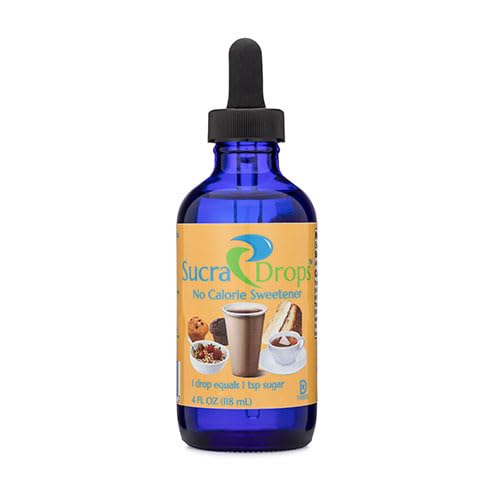
- Consider liquid forms for a smoother blend.
Remember, it’s about the journey as much as the destination. So take your time and savor each sip.
As you enjoy your personalized brew, consider what the future holds for coffee sweetness. Perhaps we’ll find ourselves stirring in flavors that haven’t yet been dreamed up, further expanding the horizons of our morning ritual.
Innovations and Future Trends in Sweeteners
 With coffee lovers always on the lookout for the best artificial sweetener for coffee, innovation is key. Emerging sweeteners are hitting the market with properties that make them stand out. For example, some new sweeteners are designed to dissolve faster or provide a taste closer to sugar without the aftertaste. Future trends might include sweeteners that come from unexpected natural sources or those engineered for health benefits.
Emerging Sweeteners on the Market
- New artificial sweeteners boast unique tastes and health benefits
- Formulations are changing to enhance coffee flavors
- Experts predict a rise in sweeteners from natural sources
Sweetener innovations aren’t just for taste; they also cater to health-conscious consumers. Some new products are lower in calories or have a lower glycemic index, making them suitable for a wider range of diets. As for future trends, there’s a buzz about sweeteners that could even enhance the nutritional profile of your coffee.
Environmental and Sustainability Impacts
The production and disposal of artificial sweeteners can affect our planet. But things are changing: – Producers are focusing on environmentally friendly packaging – Some brands are exploring new ways to deliver sweeteners to reduce waste – Sustainability is becoming a priority for sweetener companies
Brands are now more than ever aware of their environmental footprint. They’re shifting towards sustainable practices, from sourcing to packaging. This shift is a response to consumers who prefer products that align with their eco-friendly values.
Technological Advancements in Sweetener Manufacturing
Technology is transforming how sweeteners are made. It’s leading to: – Sweeteners that taste more natural – Improved health profiles for artificial sweeteners – Technology shaping the future of coffee add-ins
With advancements in food science, we’re seeing sweeteners that are not only better-tasting but also healthier. For example, certain new sweeteners have been developed to have little to no impact on blood sugar, making them an ideal choice for those with diabetes.
Impactful Stats: – Nearly 40% of Americans use artificial sweeteners daily – Artificial sweeteners can be up to 600 times sweeter than sugar – The global artificial sweetener market size is projected to reach a value of USD 3.36 billion by 2025
In the journey to find the perfect coffee companion, it’s clear that the future holds exciting possibilities. As we anticipate new developments, let’s keep in mind the role of sustainability and technology in crafting the next generation of coffee sweeteners. Soon, you might find yourself sipping on a cup of coffee sweetened with an innovative product that’s good for you and the planet.
As we wrap up our discussion on the future of artificial sweeteners, we can’t help but think about how these advancements will enhance our daily coffee ritual. The anticipation of new flavors, the commitment to sustainability, and the marvels of technology all contribute to the enjoyment of that perfect cup. Imagine the satisfaction of discovering a sweetener that not only complements your coffee but also aligns with your values and contributes to a healthier lifestyle.
Conclusion: Crafting the Ultimate Coffee Experience
We’ve journeyed through an array of sweeteners, seeking the perfect match for your cup of joe. The goal? To balance health, tantalize taste buds, and mind our planet’s well-being. Now’s the moment to meld these insights and crown your coffee ritual with the best artificial sweetener. Whether you lean towards the well-known Splenda or the plant-based Stevia, each choice you make shapes your experience.
Key Takeaway Selecting the ideal sweetener isn’t just about sweetness; it’s a step towards personalizing your coffee delight. It’s about considering what’s kind to your health and kinder to Earth. It’s about the joy in each sip, knowing you’ve made a choice that fits you just right. So why wait? Take the plunge, stir in your pick, and elevate your coffee game. And hey, if you’re itching to dive into more coffee-infused adventures, our site’s brimming with recipes, tips, and gear to keep your brews buzzing.
Frequently Asked Questions about Best Artificial Sweetener for Coffee
What are the most popular artificial sweeteners for coffee?
The most popular artificial sweeteners for coffee include aspartame, sucralose (Splenda), saccharin (Sweet’N Low), and stevia-based sweeteners. These are widely used due to their ability to sweeten without adding calories or affecting blood sugar levels significantly.
How do artificial sweeteners compare to sugar in terms of sweetness?
Artificial sweeteners are typically much sweeter than sugar. For example, aspartame is about 200 times sweeter than sugar, sucralose is about 600 times sweeter, and stevia can be up to 300 times sweeter. This means that a much smaller quantity is needed to achieve the same level of sweetness as sugar.
Are there any health risks associated with using artificial sweeteners in coffee?
Health risks associated with artificial sweeteners are a topic of debate and ongoing research. While approved for use by health authorities like the FDA, some studies have suggested potential links to health issues. However, when consumed within the recommended daily intake levels, they are generally considered safe for most people.
Can artificial sweeteners affect the taste of coffee?
Yes, artificial sweeteners can affect the taste of coffee. Each sweetener has its own unique taste profile, with some having a bitter aftertaste or a different sweetness curve than sugar. It’s a matter of personal preference, and some people may need to try a few different types to find the one that best complements their coffee.
Which artificial sweetener tastes most like sugar?
Many people find that sucralose (Splenda) has a taste that is closest to sugar, with no aftertaste, making it a preferred choice for coffee drinkers who are looking for a similar sweetness profile to that of sugar.
Are artificial sweeteners suitable for people with diabetes?
Artificial sweeteners can be suitable for people with diabetes as they generally do not raise blood sugar levels like regular sugar. However, it’s important for individuals with diabetes to consult with their healthcare provider about the best sweetener choice for their dietary needs.
Is it safe to use artificial sweeteners if I’m pregnant?
Most artificial sweeteners are considered safe for use during pregnancy when consumed in moderation, but it’s important to consult with a healthcare provider for personalized advice. Some sweeteners may be advised against depending on individual health conditions and dietary restrictions.
Do artificial sweeteners have any calories?
Most artificial sweeteners have little to no calories. They are often used as a calorie-free alternative to sugar, making them an attractive option for those looking to reduce caloric intake or manage weight.
Can using an artificial sweetener in coffee help with weight loss?
Using artificial sweeteners in place of sugar can help reduce caloric intake, which may contribute to weight loss efforts as part of a comprehensive diet and exercise plan. However, it’s important to consider overall dietary habits and not rely solely on sweetener substitution for weight loss.
How should I store artificial sweeteners to maintain their quality?
Artificial sweeteners should be stored in a cool, dry place away from direct sunlight and heat sources. They typically come in packets or containers that are designed to maintain their quality. It’s best to keep them in their original packaging and to follow the expiration date for optimal freshness and efficacy.