Many coffee lovers find themselves staring at an empty coffee bag, unsure if it belongs in the recycling bin. Different materials and designs make it tough to determine whether these bags can be recycled. Coffee bags often have complex structures, with various layers designed to keep the coffee fresh, making it even more confusing for consumers trying to recycle responsibly. Let’s break down the different types of coffee bags, their recyclability, and what you can do to reduce waste.
As an Amazon Associate, I earn from qualifying purchases and sometimes recommend products from other sellers at no extra cost to you. For more details see my disclosure policy and privacy policy.
Understanding the types of coffee bags and the challenges of recycling them is crucial for anyone wanting to be more environmentally conscious. With coffee being such a popular beverage worldwide, the waste generated from coffee packaging is significant. By knowing what to do with different kinds of coffee bags, you can take small but meaningful steps towards reducing your environmental footprint.
Types of Coffee Bags
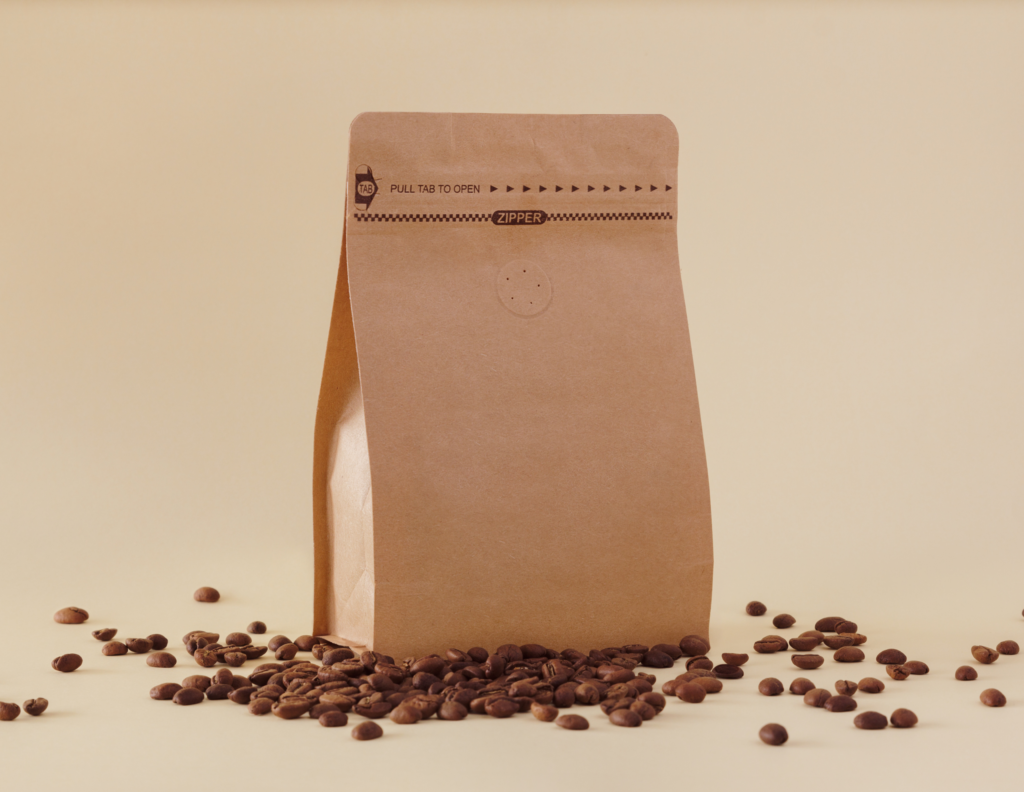
Foil-Lined Bags: The most common type of coffee bag is foil-lined, usually made with layers of plastic and metal foil. Unfortunately, these bags are often not recyclable due to the mix of materials. The combination of plastic and metal foil creates a strong barrier to keep coffee fresh but makes it incredibly difficult for recycling facilities to separate and process these layers. If you’ve got a bag like this, it’s best to avoid the recycling bin, as most facilities can’t process them. Instead, consider ways to repurpose them for storage or craft projects if possible.

The Coffee Chef Planner
Daily planning, journalling, and a proper coffee tasting log with a flavour wheel — 20 pages in one printable bundle.
Shop the planner →
Brewforge
A growing edit of coffee bar gear we’d genuinely want on our own counter, added to as we find things worth having.
Shop Brewforge →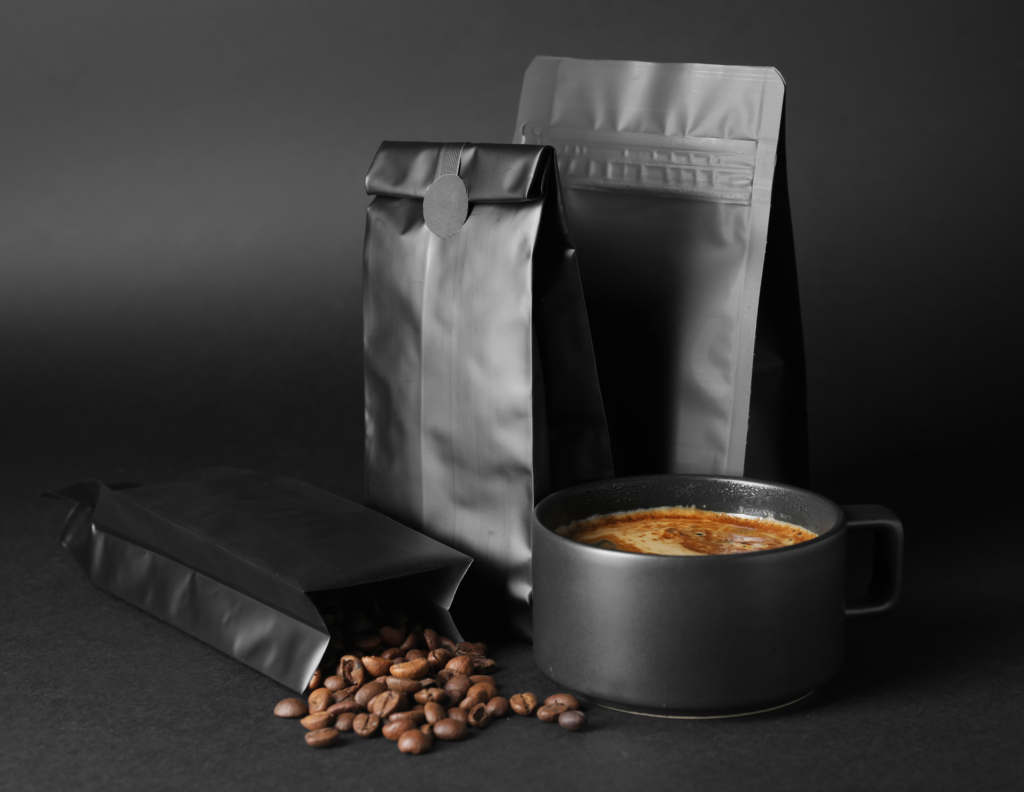
Paper Bags with Liners: Some bags look like simple paper but have a hidden plastic or wax lining. This combination also makes them non-recyclable in most municipal programs. The lining adds strength and moisture resistance to the bag, which is great for keeping coffee fresh but bad for recycling efforts. Check the bag—if you can see or feel a lining, it’s probably not suitable for regular paper recycling. However, you might consider reusing these bags for other purposes, like storing dry goods or as makeshift compost liners, depending on the type of lining.
Compostable or Biodegradable Bags: Some companies now offer more sustainable options, like compostable or biodegradable coffee bags. These need to be disposed of correctly—ideally in an industrial composting facility. Compostable bags are made from plant-based materials that break down under the right conditions. However, they often require higher temperatures to decompose properly, which means home composting may not be sufficient. If you’re using bags like these, look for the “compostable” label and follow the recommended disposal instructions to ensure they break down as intended.
Why Coffee Bags Are Hard to Recycle
Coffee bags often contain layers of different materials—plastic, paper, and metal. This makes them difficult to separate, which is why most recycling centers can’t handle them.
Unlike pure materials like aluminum cans or plain cardboard, these mixed-material bags require specialized processing that is simply not available in most local recycling programs. The adhesive used to bind these layers also complicates the recycling process, making it almost impossible for conventional recycling plants to break them down efficiently.
The challenge of mixed materials is a common one in the world of packaging. Each layer has a purpose: plastic for waterproofing, foil for keeping the coffee fresh, and sometimes even additional coatings to add strength or durability.
The convenience these bags offer in preserving freshness comes at an environmental cost, and most recycling programs aren’t equipped to deal with this complexity. Understanding this helps us make more informed choices about our coffee purchases and disposal habits.
What You Can Do
- Check for Recycling Symbols: Some coffee bags come with specific recycling symbols. If your coffee bag has a symbol indicating recyclability, make sure it matches the guidelines of your local recycling center. Many recycling centers have specific requirements, so even if the bag has a symbol, it doesn’t guarantee acceptance in your curbside bin. Always double-check local guidelines to avoid contaminating your recycling stream.
- Local Recycling Programs: Some specialized local programs accept coffee bags. TerraCycle, for example, offers a paid option to recycle various items, including coffee packaging. TerraCycle works with certain brands to offer mail-in recycling options, making it easier for consumers to responsibly dispose of non-recyclable materials. Check with your local council or waste management service to see if there are specific collection points for such packaging.
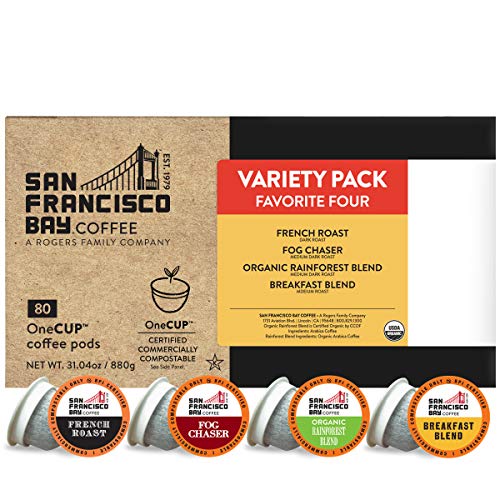
- Brands Leading the Change: Brands like San Francisco Bay Coffee offer products with compostable coffee bags. You can find options like San Francisco Bay Compostable Coffee Pods, which are a great way to cut down on waste while still enjoying your favorite brew. These compostable pods are compatible with popular coffee makers and can be thrown into the compost rather than the trash, significantly reducing their environmental impact.
- Repurposing Coffee Bags: If your coffee bags are not recyclable, consider ways to repurpose them. Foil-lined bags, for example, can be reused as storage for small items, such as snacks, craft supplies, or even gardening seeds. Repurposing is a great way to give these non-recyclable materials a second life before they eventually end up in a landfill.
Sustainable Alternatives
- Buy in Bulk: Buying coffee in bulk can reduce waste significantly. Take your reusable container to the store to buy whole beans and cut down on packaging waste. Bulk buying reduces not only the amount of packaging waste but also the carbon footprint associated with individual packaging production. Many health food stores and specialty shops offer bulk coffee options, allowing you to bring your own container and skip the single-use bags entirely.
- Consider Brands with Eco-Friendly Packaging: Some coffee companies are making strides toward more sustainable packaging. Look for brands that use recyclable or compostable materials to help reduce your environmental impact. Brands that invest in greener packaging often highlight this feature on their websites or product labels.
- Reusable Coffee Containers: Instead of buying pre-packaged coffee, consider using reusable containers for your beans. Many coffee shops will let you fill your own containers if you’re buying coffee to take home. This not only reduces the need for single-use packaging but also supports the overall movement toward zero-waste shopping practices.
Small Steps Make a Difference
While it may not always be possible to recycle coffee bags, you can still make a positive impact by making more informed choices. Whether it’s choosing compostable bags, buying in bulk, or supporting brands that prioritize sustainability, every little bit helps. Remember, it’s about progress, not perfection—small, consistent actions can collectively create a significant positive impact on our environment.