Coffee, a beloved beverage known for its energy-boosting properties, is now making waves in the world of skincare. But is coffee truly beneficial for your skin? This comprehensive analysis delves into the scientific evidence behind the use of coffee in skincare, exploring its potential benefits and drawbacks.
As an Amazon Associate, I earn from qualifying purchases and sometimes recommend products from other sellers at no extra cost to you. For more details see my disclosure policy and privacy policy.
From its antioxidant properties to concerns about dehydration, we will take you on a journey through all you need to know about coffee’s impact on skin health. Stay tuned as we unravel the truths behind this intriguing topic.

Understanding Coffee and Its Main Components
Coffee, primarily consumed as a beverage, is derived from the roasted seeds of the Coffea plant. The key components contributing to coffee’s potential skin benefits include antioxidants, caffeine, and diterpenes. Antioxidants, particularly chlorogenic acid, fight against free radicals that cause skin damage and aging. Caffeine, on the other hand, can enhance blood circulation and potentially reduce inflammation and puffiness on the skin.

The Coffee Chef Planner
Daily planning, journalling, and a proper coffee tasting log with a flavour wheel — 20 pages in one printable bundle.
Shop the planner →
Brewforge
A growing edit of coffee bar gear we’d genuinely want on our own counter, added to as we find things worth having.
Shop Brewforge →Additionally, it may act as a natural exfoliant, removing dead skin cells and revealing a brighter, fresher complexion. Diterpenes, such as cafestol and kahweol, also have anti-inflammatory and anticarcinogenic properties. However, these are typically found in unfiltered coffee and their effect on skin health needs further research. It’s important to note that while these components have potential benefits, their effectiveness might depend on the form and concentration in which they’re applied.
Benefits of Coffee for Skin
Antioxidant Properties
First and foremost, coffee is packed with antioxidants which can help combat skin damage caused by free radicals. One of the main antioxidants in coffee is chlorogenic acid, which has been shown to combat inflammation and maintain the elasticity and overall health of the skin. By neutralizing harmful free radicals, coffee can play a crucial role in skin rejuvenation and anti-aging efforts.
Improved Circulation
Caffeine, an active component in coffee, is known for its ability to stimulate blood circulation. When applied topically, it can invigorate the skin, resulting in a brighter, fresher complexion. Improved blood circulation also helps in nutrient delivery and waste removal at the skin level, contributing to healthier and more glowing skin.
Cellulite Reduction
Another area of interest is coffee’s potential role in cellulite reduction. Caffeine can dehydrate fatty cells, diminishing cellulite and making the skin feel smoother. Additionally, the exfoliating effect of coffee grounds can further enhance the appearance of the skin by sloughing off dead skin cells. However, more research is needed in this field to establish coffee as a reliable cellulite reduction agent.
How to Integrate Coffee into Your Skin Care Routine
DIY Coffee Scrub Recipe
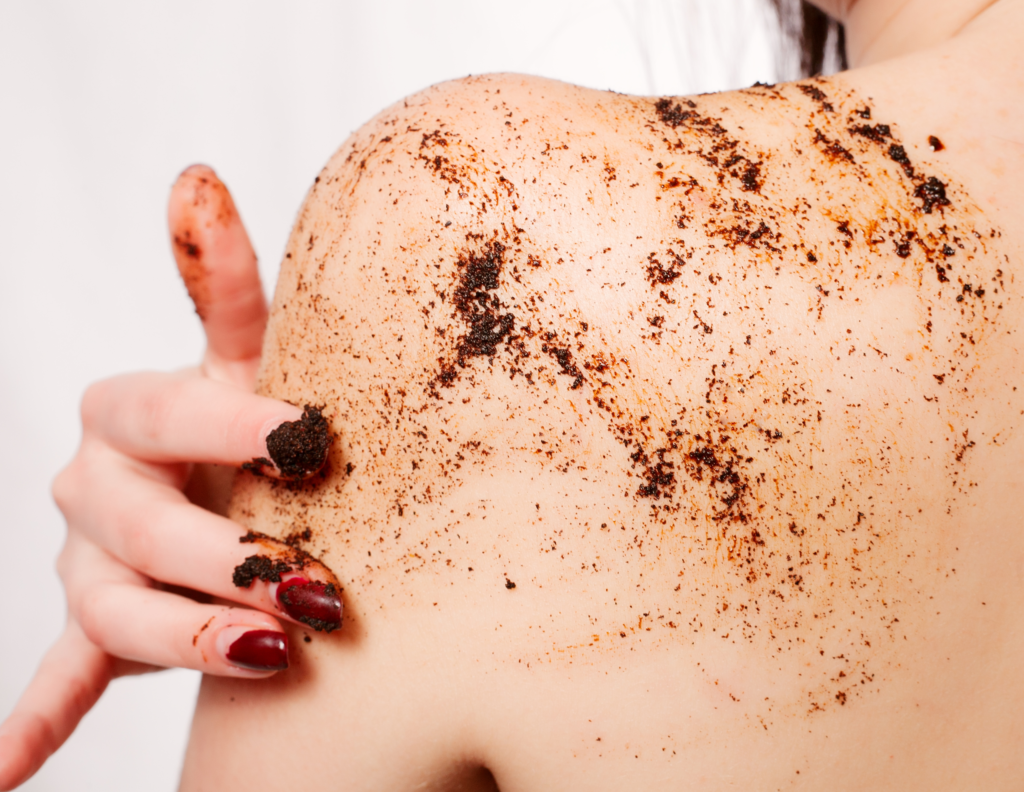
One of the easiest ways to incorporate coffee into your skincare routine is through a DIY coffee scrub. Not only does this help exfoliate your skin, but it also leaves your skin feeling revitalized and smooth. Here is a simple recipe you can try at home:
- Mix two tablespoons of ground coffee with two tablespoons of sugar (brown sugar works best for exfoliation).
- Add one tablespoon of coconut oil to this mixture and blend well until grainy.
- Apply the mixture to your face or body in a circular motion, then rinse off.
Coffee-Based Skin Care Products in the Market
If DIY isn’t your thing, there are also a plethora of coffee-based skincare products available in the market. Coffee-infused face masks, body scrubs, and even eye creams have found their way onto the shelves of beauty stores.
Brands like Frank Body, Origins, and The Body Shop have a wide range of coffee-based products that are worth exploring. However, as with any skincare product, be sure to monitor your skin’s reaction closely, especially if you have sensitive skin. Always conduct a patch test before incorporating a new product into your routine.
Precautions and Potential Side Effects
While coffee can offer several benefits for the skin, it’s crucial to be aware of potential side effects and precautions. Like most products, coffee may cause skin irritation or allergic reactions in some individuals, especially those with sensitive skin. Always patch test a new coffee-based product or DIY recipe on a small area before full application.
Caffeine, a core component of coffee, can also have a dehydrating effect. If used excessively, it may lead to dry or dehydrated skin, so it’s essential to balance coffee-based skin treatments with hydrating skincare products. Furthermore, while coffee scrubs can be excellent exfoliants, overuse might cause skin abrasion or inflammation, especially if applied aggressively.
Lastly, despite its potential in reducing cellulite appearance, coffee is not a definitive solution to cellulite and should not replace a balanced diet and regular exercise. As always, if you have any concerns or experience adverse reactions, consult a dermatologist or skin care professional.

Conclusion
In conclusion, coffee appears to offer numerous potential benefits for the skin, from its antioxidant properties to its ability to improve circulation and possibly reduce cellulite. Integrating coffee into your skincare routine, either through DIY scrubs or commercial products, could contribute to healthier, more vibrant skin.
However, it’s crucial to consider potential side effects such as skin irritation or dehydration, and to always test new products or recipes on a small skin area first. And while coffee may enhance your skincare regimen, remember that it isn’t a miracle cure or replacement for a balanced diet, regular exercise, and professional skincare advice.
As always, consult with a dermatologist or skincare professional if you have any concerns or experience adverse reactions.