Guatemala, a country known for its diverse landscapes and cultural heritage, stands out in the world of coffee production. The coffee industry is a vital part of Guatemala’s economy, contributing significantly to both employment and export earnings.
As an Amazon Associate, I earn from qualifying purchases and sometimes recommend products from other sellers at no extra cost to you. For more details see my disclosure policy and privacy policy.
This Central American nation offers some of the finest coffee beans, known for their rich flavors and distinctive profiles, thanks to the unique combination of volcanic soil, high altitudes, and favorable climate conditions. Coffee is an economic asset and an integral part of Guatemalan culture, bringing communities together and preserving traditional practices.
The Unique Geographical Landscape
Guatemala’s unique geographical landscape plays a critical role in the cultivation of its world-renowned whole bean coffee. The country is endowed with a patchwork of microclimates, each offering distinct environmental conditions that contribute to the complexity and depth of Guatemalan coffee.

The Coffee Chef Planner
Daily planning, journalling, and a proper coffee tasting log with a flavour wheel — 20 pages in one printable bundle.
Shop the planner →
Brewforge
A growing edit of coffee bar gear we’d genuinely want on our own counter, added to as we find things worth having.
Shop Brewforge →The lush highlands in different regions like Antigua, Huehuetenango, and Cobán sit at elevations ranging from 1,300 to over 2,000 meters above sea level. These high altitudes are ideal for slow bean maturation, enhancing the development of robust and nuanced flavors.
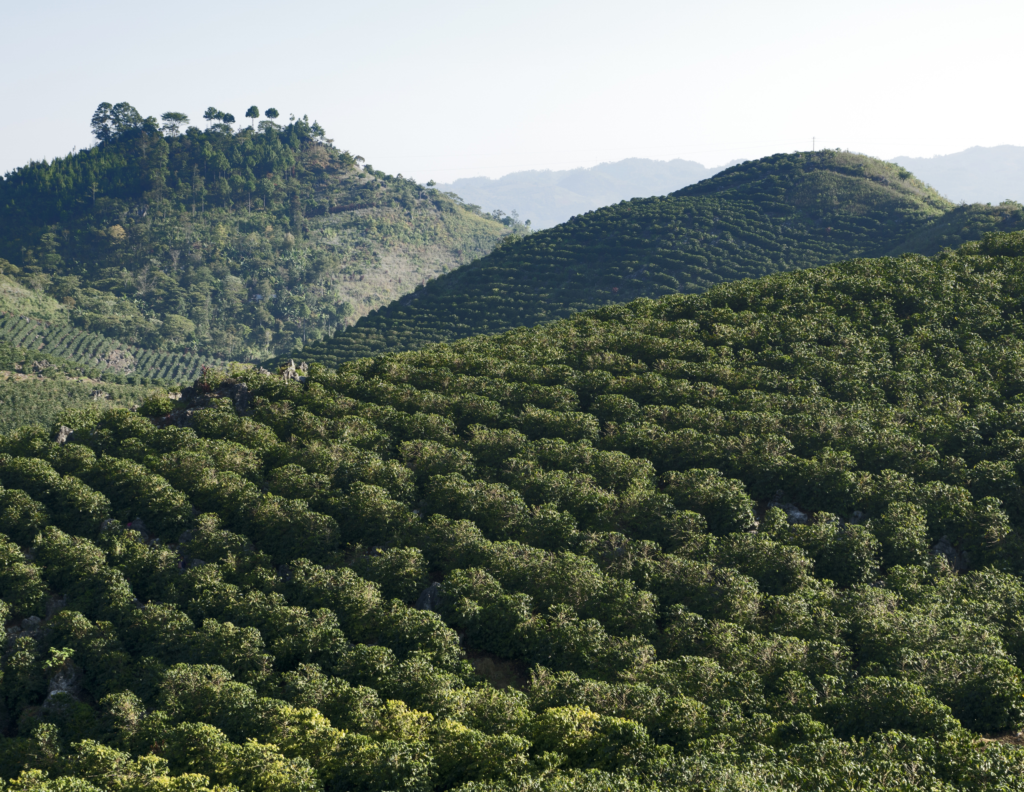
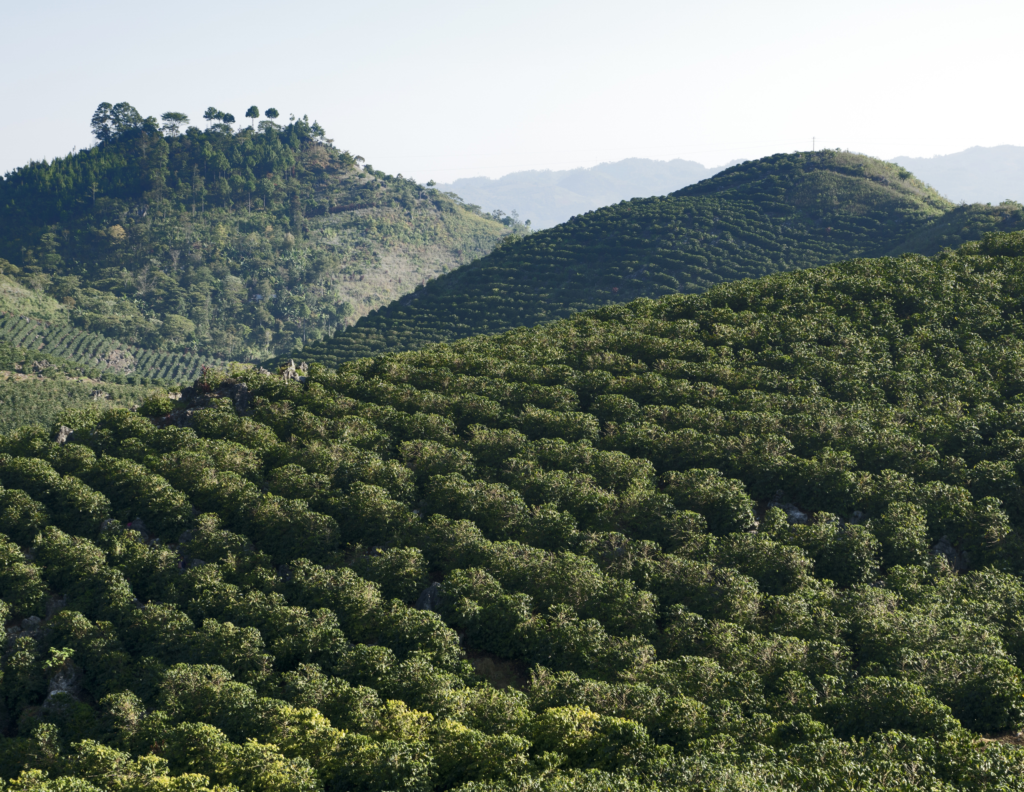
Adding to these ideal altitude conditions is the presence of rich, volcanic soil, a legacy of Guatemala’s numerous active and dormant volcanoes. The mineral-rich earth provides essential nutrients that nourish the coffee plants, imparting a distinctive character and depth to the beans. The interplay between the volcanic soil and the diverse microclimates, including humidity, temperature, and rainfall variations, creates a prime environment for coffee cultivation.
This geographical diversity allows for the production of beans that exhibit a broad range of taste profiles, from bright acidity and fruity notes to full-bodied, chocolaty undertones. Each cup of Guatemalan coffee thus tells the story of its land, encapsulating the essence of the region’s unique soil and climate.
Key Coffee-Growing Regions in Guatemala
Antigua
Guatemala Antigua coffee is one of Guatemala’s most celebrated coffee-growing regions, renowned for its remarkable coffee quality. Situated in Antigua Valley of Guatemala, surrounded by three volcanoes—Agua, Fuego, and Acatenango—the Antigua region benefits from fertile volcanic soil, moderate temperatures, and constant humidity levels.
The beans from Antigua are known for their rich, full-bodied flavor with a unique balance of acidity. Tasting notes often include a nuanced combination of chocolate, caramel, and hints of spice, creating a complex and unforgettable cup.

Atitlán
The Atitlán region, located around Lake Atitlán, is another prime area for coffee cultivation. The region’s coffee plants thrive in the fertile, volcanic soil surrounding the lake and benefit from the high altitudes and specific microclimate conditions. Coffee from Atitlán is distinguished by its vibrant acidity and bright, citrusy flavors.
The beans are often noted for their aromatic complexity, featuring floral and fruity notes that delight the senses. This unique profile makes Atitlán coffee highly desirable among connoisseurs seeking a lively and refreshing brew.
Huehuetenango
Huehuetenango, nestled in the western highlands of Guatemala, stands out as one of the country’s highest and driest coffee-growing areas. The region’s high altitude extends up to 2,000 meters above sea level and fosters slow coffee bean maturation, developing intricate and well-defined flavors.
Guatemala Huehuetenango coffee is celebrated for its pronounced fruitiness, with tasting notes that often include hints of berries, stone fruits, and wine-like undertones. The beans also possess a delightful, bright acidity and a rich, full body, making Huehuetenango coffee highly sought after for its distinctive and refined character.
The Harvesting and Processing Techniques
In Guatemala, the cultivation and processing of coffee beans are deeply rooted in traditional practices that have been passed down through generations. These methods are characterized by meticulous care and hands-on techniques that ensure the highest quality of coffee. The journey begins with the careful selection of coffee cherries, typically done by handpicking to ensure that only ripe cherries are harvested. This labor-intensive process reflects the dedication of Guatemalan coffee farmers to maintaining the integrity of their crops.
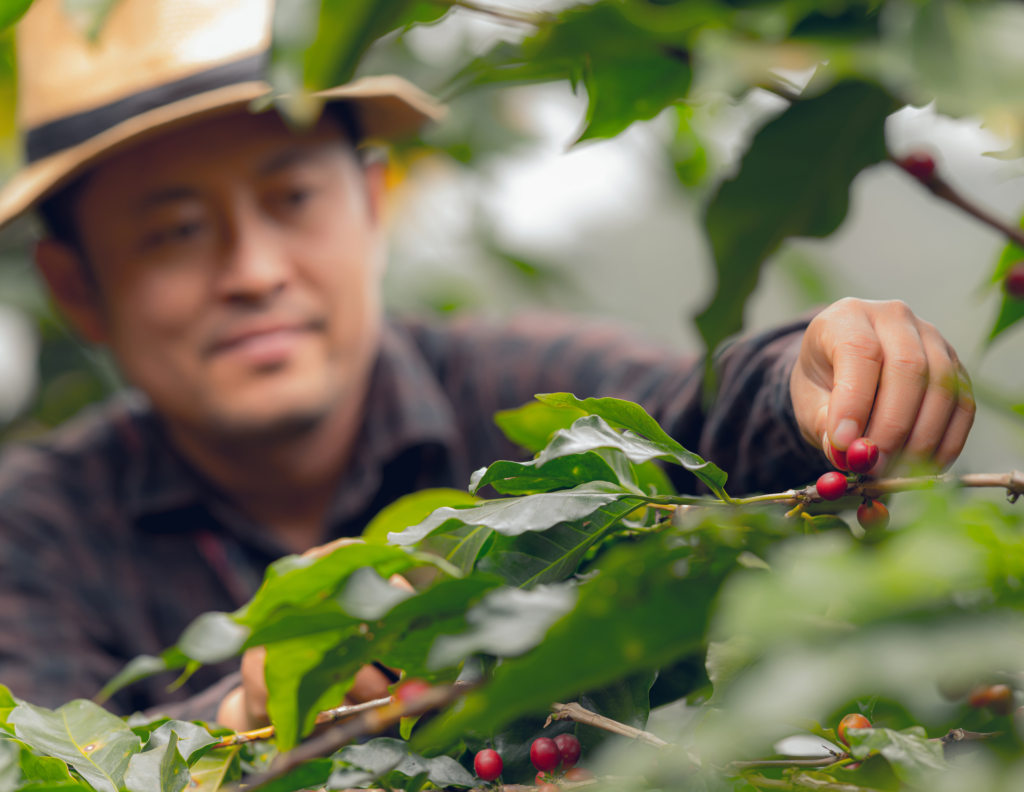
Once the cherries are picked, they are subjected to either the wet or dry processing method. Wet processing, also known as the washed method, involves the removal of the cherry’s pulp before the beans are fermented, washed, and dried. This method is preferred for its ability to highlight the coffee’s acidity and vibrant flavors. In contrast, dry processing, or the natural method, involves drying the entire coffee cherry in the sun before removing the dried fruit and husk. This technique can impart a sweeter, more complex profile to the coffee, with rich, fruity notes.
Another traditional technique employed in Guatemala is the use of ‘shade-grown’ coffee. Coffee plants are cultivated under the canopy of trees, mimicking their natural growing conditions. This benefits the coffee plants by providing necessary shade, preventing soil erosion, and promoting biodiversity and the conservation of local ecosystems.
The Impact of These Methods on the Quality and Flavor Profiles of Coffee
The traditional harvesting and processing techniques used in Central American coffees profoundly impact the quality and flavor profiles of the coffee produced. Handpicking ensures that only the finest cherries are selected, leading to a higher-quality bean. The meticulous care taken during processing, whether through the wet or dry method, allows the intrinsic flavors of the coffee to be preserved and accentuated.
Wet processing contributes to a cleaner, brighter cup with pronounced acidity and nuanced flavors. Guatemalan coffees processed in this manner often exhibit a zesty citrus or crisp apple note alongside floral and herbal undertones. On the other hand, dry processing can enhance the coffee’s sweetness and complexity, giving rise to a robust, fruity profile with hints of berries and tropical fruit that linger on the palate.
Shade-growing not only improves the environmental sustainability of coffee farming but also enhances the flavor and texture of the beans. The slower growth rate under shaded conditions allows the beans to develop more intricate flavors and denser structures, resulting in a richer, more full-bodied coffee.
In essence, the traditional methods employed in cultivating and processing Guatemalan coffee are key to producing beans of exceptionally high quality. These practices, honed over decades, ensure that each cup of Guatemalan coffee offers a distinct and memorable experience, reflecting the dedication and expertise of the farmers who cultivate them.
Flavor Profile of Guatemala Coffee Beans
Guatemala’s coffee beans are celebrated for their distinctive and multifaceted flavor profiles, a testament to the country’s diverse growing regions and traditional processing techniques. Coffee connoisseurs have noted that Guatemalan beans often exhibit a harmonious blend of flavors, vibrant acidity, and a well-rounded body.

Common Flavor Notes
Guatemalan coffee is renowned for its rich and complex flavor notes that vary depending on the region of origin. Antigua beans are known for their slight notes of chocolate and caramel undertones, often highlighted by a pleasant spiciness. Atitlán coffee, on the other hand, captivates the palate with its bright, citrusy notes complemented by floral and fruity aromas. Huehuetenango beans stand out with their pronounced fruitiness, featuring hints of berry, stone fruit, and subtle wine-like undertones. These distinct notes create a sophisticated and memorable tasting experience.
Acidity and Body
Acidity is a key characteristic of Guatemalan coffee, contributing to its lively and bright flavor profile. The acidity can range from the zesty citrus notes found in Atitlán beans to the crisp apple-like acidity often associated with wet-processed coffees from various regions. This vibrant acidity is well-balanced by the full-bodied nature of the beans, particularly evident in coffee from Antigua and Huehuetenango. The full body adds depth and richness, providing a satisfying mouthfeel that enhances the overall drinking experience.
Suggestions on Brewing Methods
Certain brewing methods are particularly recommended to best enhance the unique flavors of Guatemalan coffee. The pour-over method, such as using a Chemex or V60, is ideal for highlighting the clarity and complexity of the coffee’s flavors. This technique accentuates the nuanced tasting notes and allows the bright acidity to shine through.
The French press is an excellent choice for those who prefer a fuller body and richer profile. This immersion method emphasizes the coffee’s inherent sweetness and enhances the chocolatey and fruity undertones, providing a robust and immersive sensory experience.
Espresso enthusiasts will find that Guatemalan coffee’s well-rounded body and vibrant acidity translate beautifully into espresso shots, delivering a balanced and intense flavor profile. Cold brew can also be a great method to bring out the coffee’s sweetness and fruity notes, making for a refreshing and smooth drink.
Sustainability and Ethical Practices in Guatemala’s Coffee Production
Guatemala’s coffee industry has increasingly embraced sustainability and ethical practices, recognizing their crucial role in safeguarding the environment and ensuring the well-being of coffee farmers. Efforts towards sustainable agriculture include promoting organic farming techniques, reducing the use of harmful pesticides, and implementing methods to prevent soil erosion and conserve water. These practices not only protect the rich biodiversity of Guatemala’s landscapes but also improve coffee crops’ quality and long-term viability.
Efforts Made Towards Sustainable Agriculture and Fair Trade
Sustainable agriculture initiatives in Guatemala focus on the holistic management of ecosystems and resources. Small farmers are encouraged to adopt organic composting, agroforestry, and rainwater harvesting to enhance soil fertility and reduce reliance on chemical inputs. In addition, many coffee farms strive to achieve fair trade certification, which guarantees that farmers receive equitable compensation for their labor and produce. Fairtrade practices ensure that farmers can invest in improving their infrastructure, educating their children, and accessing healthcare, ultimately elevating the standard of living within their communities.
The Role of Cooperatives and Organizations in Supporting Local Farmers
Cooperatives and organizations play a pivotal role in supporting Guatemalan coffee farmers by providing access to resources, training, and markets. Cooperatives help small-scale farmers come together to pool resources, share knowledge, and gain better negotiating power with buyers. They offer training programs on sustainable farming techniques, quality control, and business management, empowering farmers to improve their productivity and profitability.
Moreover, organizations such as the Rainforest Alliance, Fair Trade USA, and UTZ work closely with farmers’ cooperatives to ensure adherence to environmental and social standards. These collaborations often lead to certifications that open up premium markets for Guatemalan coffee, offering higher prices and greater stability for farmers’ incomes. By fostering community-driven initiatives and promoting ethical practices, these cooperatives and organizations contribute significantly to the sustainability and resilience of Guatemala’s coffee sector.
How to Choose and Enjoy Guatemala Coffee Beans
When selecting Guatemala coffee beans, it is essential to consider several factors to ensure you are getting the highest quality product. Here are some tips to help you choose the best beans:
- Check for Origin and Region: Guatemala’s diverse regions, such as Antigua, Huehuetenango, and Atitlán, produce distinct coffee flavors. Knowing the origin can give you insight into the flavor profile and quality of the beans.
- Look for Freshness: Coffee beans are best enjoyed fresh. Check the roast date on the packaging and opt for beans that have been roasted within the last two to four weeks.
- Examine the Beans: High-quality coffee beans should be consistent in size, shape, and color. Avoid beans that appear broken, faded, or excessively oily, as these may indicate poor quality or age.
- Smell the Aroma: Fresh roasted coffee beans should have a strong and pleasant aroma. A lack of an intense aroma or an off-smell can be a sign of staleness or poor quality.
- Certifications: Look for certifications such as Fair Trade, Rainforest Alliance, or Organic, which indicate that the beans were produced under ethical and environmentally sustainable practices.

Recommendations for Brewing the Perfect Cup of Guatemala Coffee
Brewing Guatemala coffee to perfection requires attention to detail and the right technique to bring out its unique flavors. Here are some recommendations:
- Grind Size: Adjust the grind size according to your brew method. For pour-over methods, use a medium-fine grind; for French press, a coarse grind; and for espresso, a fine grind. The right grind size ensures optimal extraction and flavor.
- Water Quality: Use filtered water to avoid impurities affecting your favorite coffee’s great taste. The ideal water temperature for brewing coffee is around 195°F to 205°F (90°C to 96°C).
- Brewing Ratio: A common coffee-to-water ratio is 1:15 to 1:18, meaning 1 gram of coffee for every 15 to 18 grams of water. Adjust to your taste preference for a stronger or milder cup.
Brewing Methods:
- Pour-Over: Employ a Chemex or V60 to highlight the clarity and complexity of Guatemala coffee. The pour-over method accentuates bright acidity and nuanced tasting notes.
- French Press: Use a French press for a full-bodied and rich profile. This method emphasizes sweetness and chocolatey or fruity undertones.
- Espresso: Guatemalan coffee’s vibrant acidity and well-rounded body make it ideal for espresso shots. The intense and complex flavor profile is both balanced and bold.
- Cold Brew: Consider making a cold brew to highlight this excellent coffee’s sweetness and fruity notes. This method results in a smooth and refreshing beverage.

Unique Aspects of Guatemala Coffee Beans
Guatemala coffee beans stand out in the global coffee market for their distinct qualities and rich heritage. The diverse regions within the country, such as Antigua, Huehuetenango, and Atitlán, each contribute unique flavor profiles characterized by their bright acidity, medium to full body, and complex tasting notes ranging from fruity and floral to chocolatey and nutty flavor.
The dedication to sustainable agriculture and fair trade practices ensures that these beans are not only of exceptional quality but also ethically sourced, supporting the well-being of local farmers and preserving the environment.
By following the tips for selecting high-quality beans and using the recommended brewing methods, coffee enthusiasts can fully appreciate the exquisite flavors and stories behind each cup of the best tasting coffee from Guatemala.