
How much caffeine is in decaf coffee? This is a question that many people ask. The answer may surprise you! In this blog post, we will look at the caffeine content of different types of decaf coffee. We will also discuss how to make sure you are getting the most out of your cup of decaf. Stay tuned for more information!
As an Amazon Associate, I earn from qualifying purchases and sometimes recommend products from other sellers at no extra cost to you. For more details see my disclosure policy and privacy policy.
Overview of Caffeine Content in Decaf Coffee
Decaf coffee is made by removing caffeine from regular coffee. Yet, depending on the beans and preparation methods, it can still contain some, varying between 2 to 20 milligrams per cup. The total amount of caffeine in decaf will depend on what type of beans were used and how finely they were roasted and ground; more finely ground coffee will generally have more caffeine. In comparison, a normal brewed cup of coffee contains about 80 to 135 milligrams of caffeine.
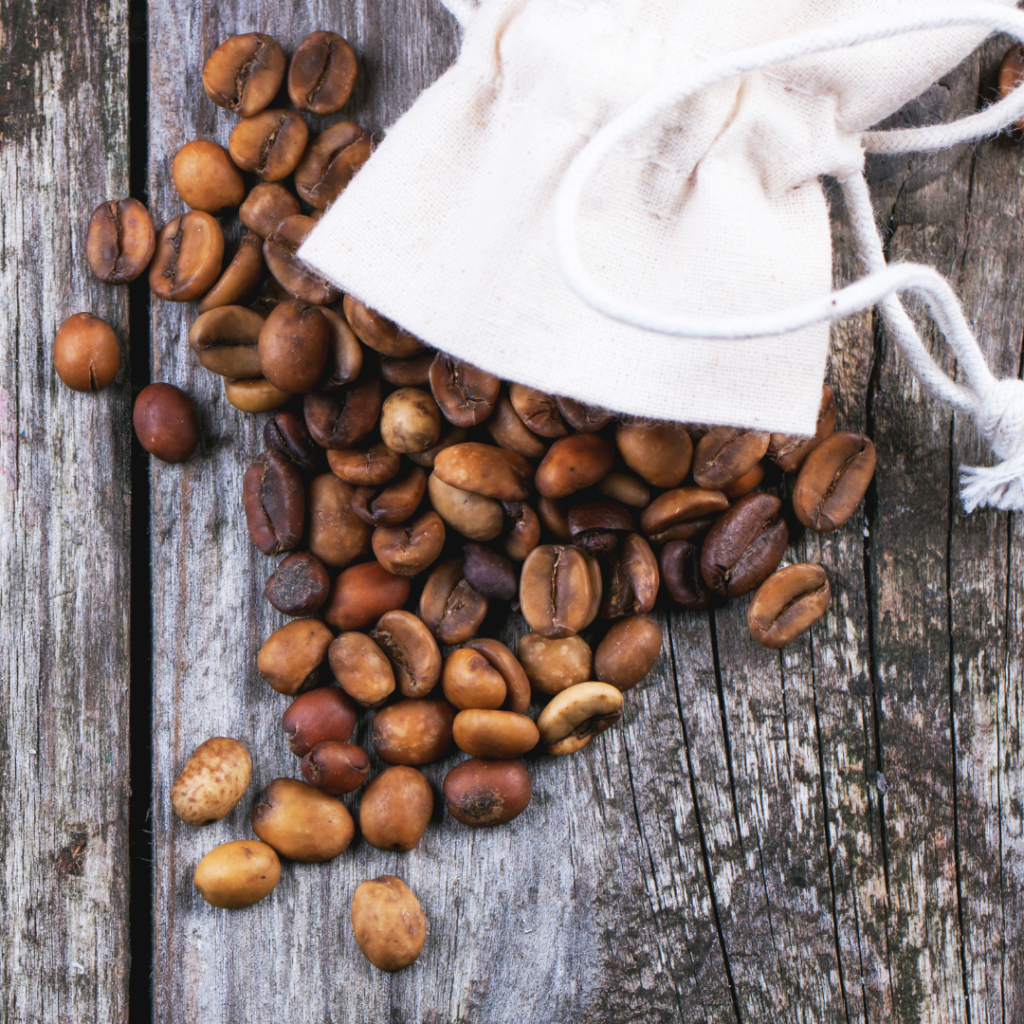
Everyone metabolizes differently, but typically 2-20 milligrams are considered a ‘low’ or negligible amount of caffeine which shouldn’t cause any problems for people sensitive to the effects. Based on these criteria, drinking decaf coffee may be an ideal choice for those looking to reduce or eliminate their overall caffeine intake while still enjoying the rich taste that comes with freshly brewed coffee.

The Coffee Chef Planner
Daily planning, journalling, and a proper coffee tasting log with a flavour wheel — 20 pages in one printable bundle.
Shop the planner →
Brewforge
A growing edit of coffee bar gear we’d genuinely want on our own counter, added to as we find things worth having.
Shop Brewforge →Different Types of Decaf Coffee and their Caffeine Content
Decaf coffee is a great choice for those looking to enjoy the flavor of a cup of joe without the potential side effects associated with caffeine. There are several different types of decaf coffee that can vary in their caffeine content depending on the production method.
Swiss water processing is one of the most common methods and it uses only purified water to draw out caffeine molecules from green coffee beans. This process generally results in 96-98% of caffeine being removed, with the remaining amount hovering around 1-2 mg per 8 oz cup.
The CO2 process involves carbon dioxide being used to dissolve and extract caffeine from whole beans, leaving behind decaffeinated beans. Coffee produced using this method has had 99.9% of its caffeine removed, leaving an incredibly low content of .03 mg per 8 oz cup making it ideal for those sensitive to even a few milligrams of caffeine. No matter which types you choose, decaf coffee makes an excellent choice for enjoying flavorful brew without worrying about its stimulating impact.
How to Make Sure You’re Getting the Most Out of Your Cup of Decaf
For those who are looking for a caffeine-free pick me up throughout the day but don’t want to compromise on flavor, decaf coffee is the ultimate beverage. In order to make sure you’re getting the most out of your cup of decaf, making sure it has been freshly brewed with high-quality beans is key.
It’s important to pay attention to how the coffee has been prepared; be sure to ask questions about whether the coffee used in your cup was decaffeinated using an all-natural process without chemicals or artificial substances. Making use of quality products such as fresh ground whole bean coffee and cold brew will also ensure that you get aromatic and delicious flavor.
Additionally, to really make your cup come alive consider adding complementary ingredients like spices and herbs such as cinnamon, nutmeg, clove or cardamom for a lightly sweetened treat.
Tips for Choosing the Right Type of Decaf Coffee
When it comes to choosing the right type of decaf coffee, there are a few key things to keep in mind. First and foremost, the decision should be based on personal preference. A good place to start is identifying your favorite roast, whether that’s light, medium, or dark. From there you can begin tasting different beans, blends, and even flavored varieties.
You may even want to consider the source of the decaf coffee and whether or not it was sustainably sourced. Remember that all decaf coffees will have a level of caffeine still present which can affect taste. Start slowing by sampling small batches and read reviews from other coffee critics to narrow down your selection even further.
Benefits of Drinking Decaf Coffee
If you’re looking to cut down on your caffeine or have trouble falling asleep, decaf coffee can be a fantastic alternative. Particularly since it still contains all the other health benefits that regular brewed coffee offers – including improved concentration and mood while potentially guarding against heart problems.
Furthermore, not only does decaffeinated coffee contain beneficial antioxidants, but the process of decaffeination itself helps maintain Polyphenols – compounds that are thought to improve human health and even reduce the risk for certain kinds of cancer.
And, on top of all this positive news about your body’s health benefits? Decaf coffees generally taste as good or better than their caffeinated counterparts! So you can enjoy a cup without fear of any jitters at all.


