If you’re like me and countless others around the globe, your day probably doesn’t kick off until you’ve had a sip of that aromatic, energy-boosting drink we all know and love – coffee.
As an Amazon Associate, I earn from qualifying purchases and sometimes recommend products from other sellers at no extra cost to you. For more details see my disclosure policy and privacy policy.
But what happens when that delightful cup of java starts to turn sour in your stomach? That’s right, I’m talking about heartburn – that uncomfortable, fiery sensation that can creep up on you after a meal. It’s caused by a variety of things, but could our beloved coffee be one of them? Let’s dive in and find out!
The Relationship Between Coffee and Heartburn
Coffee can potentially cause heartburn due to two primary factors: its high caffeine content and the natural acidity of the coffee beans.

The Coffee Chef Planner
Daily planning, journalling, and a proper coffee tasting log with a flavour wheel — 20 pages in one printable bundle.
Shop the planner →
Brewforge
A growing edit of coffee bar gear we’d genuinely want on our own counter, added to as we find things worth having.
Shop Brewforge →Caffeine, found in abundance in coffee, can increase the acidity of gastric secretions. This increased acidity can lead to gastroesophageal reflux, where stomach acid flows back into the esophagus, causing heartburn. Moreover, overcaffeination can weaken the muscle that connects the stomach to the esophagus, further exacerbating acid reflux symptoms.

In addition to caffeine, the inherent acidity of coffee beans can also trigger heartburn. Even individuals without a history of heartburn symptoms may experience stomach problems due to the acidic nature of this beverage.
For those with gastroesophageal reflux disease (GERD), reducing intake of coffee and tea may help manage their symptoms. However, the effects of caffeine on GERD are still not entirely clear, with some healthcare professionals noting that it can aggravate reflux symptoms.
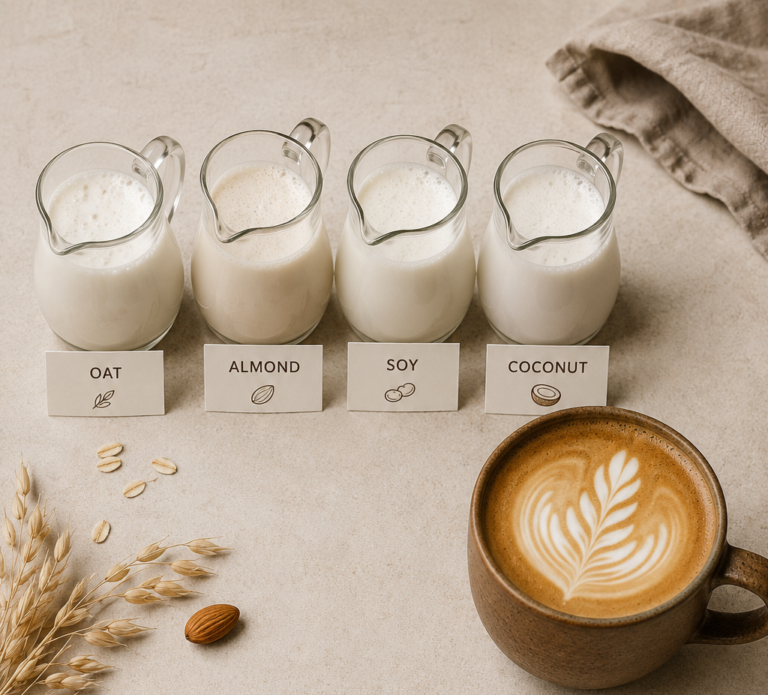
If you’re looking for alternatives, drinking water, low-fat milk, and herbal teas may help manage heartburn. It’s worth noting that alcohol, caffeinated drinks, and sodas might worsen the symptoms. Adding milk or cream to your coffee could also help neutralize its acidity, making the drink smoother. This is why milk often works better with darker roasts, while medium roasts are recommended when drinking the coffee black.
Please consult with your healthcare provider if you have persistent heartburn or other related symptoms to get personalized advice.
Scientific Studies Supporting the Link
Based on the information I found, there’s a variety of research examining the link between coffee consumption and heartburn or gastroesophageal reflux disease (GERD).
For instance, a meta-analysis exploring the effect of coffee intake on GERD suggested that coffee could potentially trigger heartburn. Similarly, a study conducted in Saudi Arabia found that caffeine triggers heartburn in a significant number of diagnosed patients.

However, other studies have presented contrasting results. A study found no association between coffee consumption and disorders including reflux esophagitis. Another research done in Japan showed an improvement in GERD symptoms with increased coffee intake frequency.
Certain factors, such as the type of coffee and the roasting process, may also play a role. A randomized, double-blind study compared two different coffee-roasting processes and their effects on heartburn and dyspepsia in coffee-sensitive individuals. In conclusion, the relationship between coffee consumption and heartburn appears to be complex and potentially influenced by various factors. More research is needed to fully understand this link.
How Different Types of Coffee Can Affect Heartburn
Different types of coffee and brewing methods can indeed affect heartburn differently. Here’s a brief analysis:
- Decaf vs Regular Coffee: Decaffeinated coffee is often recommended for those who experience heartburn after drinking regular coffee. This is because caffeine is known to relax the lower esophageal sphincter, a muscle that prevents stomach contents from backing up into the esophagus, which can cause heartburn. However, one study suggests that caffeine does not significantly escalate GERD symptoms, but certain metabolites in coffee could.
- Coffee Bean Type: Arabica coffee beans have less acid than Robusta beans. The extra caffeine in Robusta beans makes you more susceptible to acid reflux and heartburn. Choosing a blend with 100% high-quality Arabica might be a better option for those prone to heartburn.
- Roasting Process: Longer roasting times and higher heat create more quinic acid, which can upset the digestive tract. Light roast, medium roast, and dark roast coffee beans have varying levels of acidity, with dark roast having the lowest acid coffee, and light roast the highest acid level.
- Brewing Method: Some brewing methods can also affect the acidity of the coffee. For instance, cold brew coffee is often touted as a good alternative for people who suffer from heartburn, as the cold brewing process results in a lower-acid drink compared to hot brewed coffee.
Remember, everyone’s body reacts differently to different types of coffee and brewing methods. It might take some experimentation to find what works best for you. If coffee continues to cause discomfort, it might be best to consult with a healthcare provider.
Tips for Coffee Lovers with Heartburn
Based on the information I found, there are several alternatives to regular coffee that could be suitable for people with heartburn:
- Low-Acid Coffee Options: This includes dark roasts, espresso beans, cold brew, and specific low-acid coffee brands. Mushroom or chicory coffee blends are also recommended.
- Gut-friendly Alternatives: Some people prefer drinks like Rooibos tea, Yerba mate, and Almond milk latte.
- Chicory Root: It has a bitter taste similar to coffee and is considered gut-healthy.
- Other Low-Acid Alternatives: These include Matcha Tea, Herbal Tea, Chai Tea, Golden Milk, and Kombucha.
- Chamomile Tea: If your heartburn is often caused by stress, chamomile tea might help soothe your stomach.
- Cold Brew Coffee: It’s said to be the best option for someone with more severe heartburn.
Remember, everyone is different, and what works for one person may not work for another. It’s important to try out these alternatives and see which one suits you best.

Conclusion
In conclusion, the article delved into the relationship between coffee consumption and heartburn. We explored how coffee can potentially trigger acid reflux due to its acidic nature, caffeine content, and its ability to relax the lower esophageal sphincter. However, it’s important to note that everyone’s body reacts differently to coffee and what may cause heartburn in one person may not in another.
The key takeaway here is to listen to your body. If you notice that your heartburn symptoms are worsened or triggered by coffee, it may be beneficial to reduce your intake or try a low-acid coffee variant. Persistent heartburn is not something to overlook as it can lead to more serious health issues. Therefore, if you’re experiencing continuous heartburn, it is recommended to consult with a healthcare professional.
Remember, understanding your own body is the first step towards maintaining good health. So, observe, understand, and take appropriate actions for a healthier you!