Brazil is synonymous with coffee. As the largest coffee producer in the world, Brazil has a storied history intertwined with the very fabric of coffee culture. The journey began in the early 18th century when coffee plants were first introduced to the country.
As an Amazon Associate, I earn from qualifying purchases and sometimes recommend products from other sellers at no extra cost to you. For more details see my disclosure policy and privacy policy.
Today, Brazilian coffee is renowned for its diverse flavors and accessibility, making it a staple for coffee enthusiasts and home brewers alike. This post will delve into the rich world of Brazilian coffee beans, providing you with practical insights into their history, cultivation, characteristics, and more.

Exploring the Regions of Brazil for Coffee Cultivation
Brazil’s vast landscape offers a variety of climates and terrains, ideal for cultivating coffee. The country’s main coffee-growing regions include Minas Gerais, São Paulo, Espírito Santo, and Bahia. Each region contributes unique flavors and attributes to the coffee beans they produce:

The Coffee Chef Planner
Daily planning, journalling, and a proper coffee tasting log with a flavour wheel — 20 pages in one printable bundle.
Shop the planner →
Brewforge
A growing edit of coffee bar gear we’d genuinely want on our own counter, added to as we find things worth having.
Shop Brewforge →- Minas Gerais: Known for its balanced and sweet profiles, with hints of chocolate and caramel.
- São Paulo: Offers beans with bright acidity and fruity notes.
- Espírito Santo: Primarily produces Robusta beans, known for their strong, bold flavors.
- Bahia: Gaining popularity for its high-quality, specialty Arabica beans with complex flavor profiles.
The Main Coffee Growing Areas of Brazil: In-Depth
Minas Gerais
Minas Gerais is Brazil’s largest coffee-producing state, accounting for more than half of the country’s coffee output. The region’s coffee is often grown at high altitudes, ranging from 800 to 1,300 meters above sea level, which contributes to the beans’ refined flavor profiles.
The tropical climate, with well-defined seasons and fertile soil, produces coffees with balanced and sweet profiles, featuring hints of chocolate, caramel, and subtle fruitiness. Notable subregions within Minas Gerais include Sul de Minas, known for producing some of the most highly regarded specialty coffees in Brazil, and Cerrado Mineiro, recognized for its consistent and traceable coffee production.
São Paulo
São Paulo, particularly the Mogiana region, boasts a rich coffee-growing heritage that dates back over a century. Blessed with a high plateau and a temperate climate, the Mogiana region’s coffee beans exhibit bright acidity and fruity notes, often accompanied by nutty undertones.
The well-organized coffee farms and co-operatives in São Paulo have fostered a strong emphasis on quality, traceability, and sustainability, making it a favorite among specialty coffee producers and consumers.
Espírito Santo
Espírito Santo is predominantly known for its robust production of Robusta coffee beans, although it also grows high-quality Arabica beans, especially in higher altitude regions like Caparaó. The coastal state’s tropical climate and rugged terrain contribute to the strong, bold flavors of its Robusta beans, often characterized by lower acidity and a heavier body, ideal for espresso blends.
In recent years, Espírito Santo has garnered attention for its specialty Robusta, known as Conilon, which undergoes careful processing to enhance its unique flavor attributes.
Bahia
The state of Bahia, particularly the Chapada Diamantina region, is emerging as a significant player in Brazil’s specialty coffee scene. The region’s high altitudes, reaching up to 1,200 meters, combined with its diverse microclimates, yield high-quality Arabica beans with complex flavor profiles. Coffees from Bahia are often praised for their floral aromas, sparkling acidity, and bright fruity flavors.
The region’s commitment to innovative cultivation practices and sustainable farming methods has helped Bahia earn a reputation for producing some of Brazil’s finest specialty coffees.
By understanding the distinct characteristics of coffee beans from these key regions, coffee enthusiasts can appreciate the diversity and richness that Brazilian coffee has to offer. Each cup tells the story of its origin, reflecting the unique terroirs and dedicated craftsmanship of Brazil’s coffee farmers.
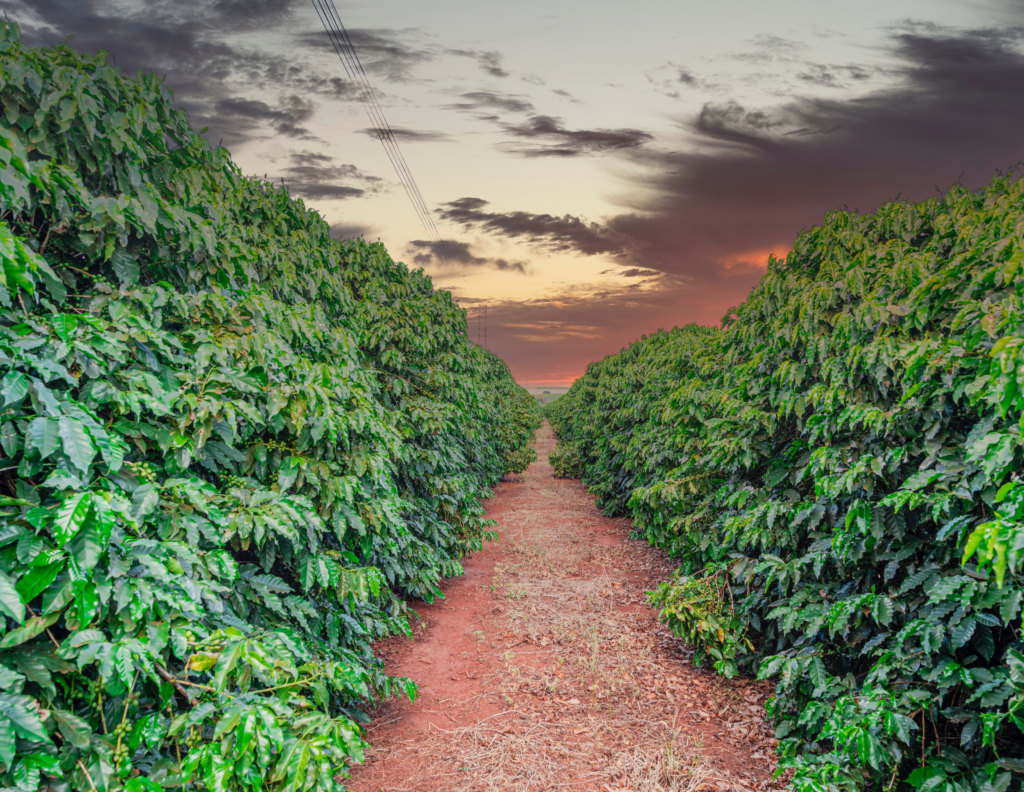
What Makes Brazilian Coffee Unique
Processing Methods
Brazilian coffee’s uniqueness largely stems from the variety of processing methods used. The most common methods include:
- Natural (dry) processing: This traditional method involves drying whole cherries in the sun before the beans are separated from their fruit. It imparts a sweet, fruity flavour with notes of berry and wine, giving the coffee a rich body and complex profile. Natural processing is widely used in regions with dry climates, like Minas Gerais and Bahia.
- Pulped Natural (semi-washed) processing: This method involves removing the outer skin of the coffee cherries and drying the beans with some of the mucilage still attached. It creates a balanced cup with the sweetness of natural processed beans and the cleaner profile of washed beans. This method is popular in regions like São Paulo.
- Washed (wet) processing: This method removes the fruit entirely before drying, resulting in a cleaner, brighter flavour with more pronounced acidity. It is less common in Brazil but is used in specific areas like Espírito Santo to produce high-quality Arabica beans.
Varietals
Brazilian coffee benefits from a wide variety of coffee plants, each contributing distinct flavours and qualities. Some notable varietals include:
- Bourbon: Known for its sweet, fruity flavours and excellent quality, Bourbon is a prized varietal grown in regions such as Minas Gerais.
- Mundo Novo: A natural hybrid of Bourbon and Typica, Mundo Novo offers a balanced cup with moderate acidity and a full body. It thrives in diverse climates, making it a staple in Brazilian coffee cultivation.
- Catuai: A cross between Mundo Novo and Caturra, Catuai is favoured for its resilience to wind and rain, as well as its good acidity and body. It is widely cultivated across Brazil.
Sustainable Practices
Brazilian coffee farms are increasingly adopting sustainable practices to enhance the quality of their beans while protecting the environment. Initiatives include:
- Shade-grown coffee: By growing coffee under the canopy of native trees, farmers preserve biodiversity and create favourable microclimates that enhance bean quality.
- Organic farming: Many farms are transitioning to organic methods, avoiding synthetic chemicals to maintain soil health and ecosystem balance.
- Water conservation: Innovations in water management, such as efficient irrigation systems and recycling water used in processing, help minimize the environmental impact.
Brazilian coffee producers ensure that their beans remain distinct in the global market by embracing diverse processing methods, cultivating a wide array of varietals, and committing to sustainable practices. This dedication to quality and innovation is what truly makes Brazilian coffee unique.
How to Identify and Select Quality Brazilian Coffee Beans
When selecting Brazilian coffee beans, consider the following tips to ensure quality:
- Origin: Know the region and farm where the beans were grown.
- Processing Method: Understand how the beans were processed, as this affects flavor.
- Freshness: Always check the roast date and opt for freshly roasted beans.
- Certifications: Look for beans with certifications indicating sustainable and ethical farming practices.
Tips for Home Brewing with Brazilian Coffee
Brewing the perfect cup of Brazilian coffee at home requires attention to detail and the right techniques:
- Grind Size: Adjust the grind size according to your brewing method (e.g., coarse for French press, fine for espresso).
- Water Temperature: Use water heated to around 195-205°F to extract optimal flavor.
- Brewing Time: Tailor your brewing time to the method you are using, ensuring balanced extraction.
- Experimentation: Don’t hesitate to tweak variables like coffee-to-water ratio and brewing time to find your preferred taste.

The Environmental and Social Impact of the Coffee Industry in Brazil
The coffee industry in Brazil significantly impacts both the environment and local communities. Sustainable farming practices and fair trade initiatives are crucial for promoting ecological balance and improving the livelihoods of farmers. By choosing ethically sourced Brazilian coffee beans, you support efforts to create a more sustainable and equitable coffee industry.
Conclusion: Embracing the Richness of Brazilian Coffee at Home
Brazilian coffee beans offer a world of flavors and experiences for coffee enthusiasts and home brewers. By understanding the history, regions, characteristics, and best practices for brewing, you can truly appreciate the rich heritage and quality of Brazilian coffee. Embrace the journey from farm to cup, and savor the unique taste of Brazil with every sip.