Armenian coffee is a beloved tradition that goes beyond just enjoying a cup of coffee—it’s about community, hospitality, and sharing moments together. This guide will help you explore the steps to make Armenian coffee, understand its cultural significance, and even learn some of the customs that accompany this cherished ritual.
As an Amazon Associate, I earn from qualifying purchases and sometimes recommend products from other sellers at no extra cost to you. For more details see my disclosure policy and privacy policy.
Introduction to Armenian Coffee (Soorj)
Armenian coffee, also known as Soorj, is more than just a caffeinated beverage—it’s a cherished cultural tradition that has been passed down through generations. In many Armenian households, coffee is often prepared in the morning and shared with family members as they gather around the table, discussing their plans for the day.
This ritual of sharing coffee brings a sense of connection and belonging, making it an integral part of everyday life. Similar to Turkish and Greek coffee, Armenian coffee has its unique character, deeply intertwined with Armenian culture and history. It’s rich, bold, and unfiltered, with a brewing technique that produces a distinct layer of crema on top. This coffee is an essential part of social gatherings, symbolizing warmth, hospitality, and the art of sharing moments with loved ones.

The Coffee Chef Planner
Daily planning, journalling, and a proper coffee tasting log with a flavour wheel — 20 pages in one printable bundle.
Shop the planner →
Brewforge
A growing edit of coffee bar gear we’d genuinely want on our own counter, added to as we find things worth having.
Shop Brewforge →In Armenia, coffee is often seen as a way to welcome guests and create a relaxed atmosphere. The ritual of preparing and drinking Armenian coffee is an important social event that brings people together, whether it’s family, friends, or neighbors. The practice of making coffee is also considered a rite of passage in many Armenian households, where younger members learn the delicate art from elders, emphasizing the cultural significance of this cherished drink.
Ingredients Needed
To make Armenian coffee, you will need:
- Cold water: 4 oz (half a cup)
- Finely ground coffee: 2 heaping teaspoons (use the finest grind possible for a smooth texture)
- Optional:
- Sugar: 1 teaspoon (if you prefer sweet coffee)
- Cardamom: 1 pod (for a subtle spicy note)
- A small pot called a jezve (pronounced “yez-vay”) or any small pot with a spout

Step-by-Step Instructions
- Step 1: Measure and pour cold water into the jezve. Using cold water is crucial to achieve the proper consistency and flavor. Cold water ensures that the coffee grounds dissolve evenly and prevents the coffee from becoming too bitter.
- Step 2: Add the finely ground coffee to the water. If you like your coffee sweet, add sugar now, but do not stir. The sugar will dissolve naturally as the coffee heats up, giving it an even sweetness.
- Step 3: Place the jezve on medium heat. Watch closely as bubbles begin to form around the edges. It’s essential not to let the coffee boil, as boiling will ruin the crema. The key is to heat the coffee slowly and evenly, allowing the flavors to fully develop without burning.
- Step 4: As soon as bubbles form, remove the pot from heat, wait for a few seconds, and then return it to the heat. Repeat this process one to two more times until a rich crema forms on the surface. Repeating this step allows the coffee to build up a thicker, more stable crema by controlling the heat and allowing the bubbles to form gradually, which results in a richer texture and more consistent flavor. This step helps build a thick, foamy layer, which is a signature characteristic of Armenian coffee.
- Step 5: Gently pour the coffee into small cups, preserving the crema. Allow the grounds to settle at the bottom before drinking. The coffee should be poured slowly to ensure that the crema remains intact, which enhances both the flavor and presentation.
Tips for Perfect Armenian Coffee
- Avoid Boiling: Do not let the coffee boil completely, as this will prevent the foam from forming, which is essential for a good cup of Armenian coffee. Boiling also makes the coffee too bitter, losing its smooth and rich flavor.
- Use Quality Ingredients: High-quality, finely ground coffee makes a significant difference. Grinding your own beans will give you the freshest flavor, and it allows you to choose your preferred roast—dark, medium, or a blend of both.
- Experiment with Flavor: Adding a pod of cardamom to the brew can introduce a unique aromatic twist. Cardamom is a traditional addition that adds warmth and depth to the coffee, making it even more enjoyable. Some people also add a tiny pinch of cinnamon or allspice for a slightly different flavor profile.
Serving and Drinking Traditions
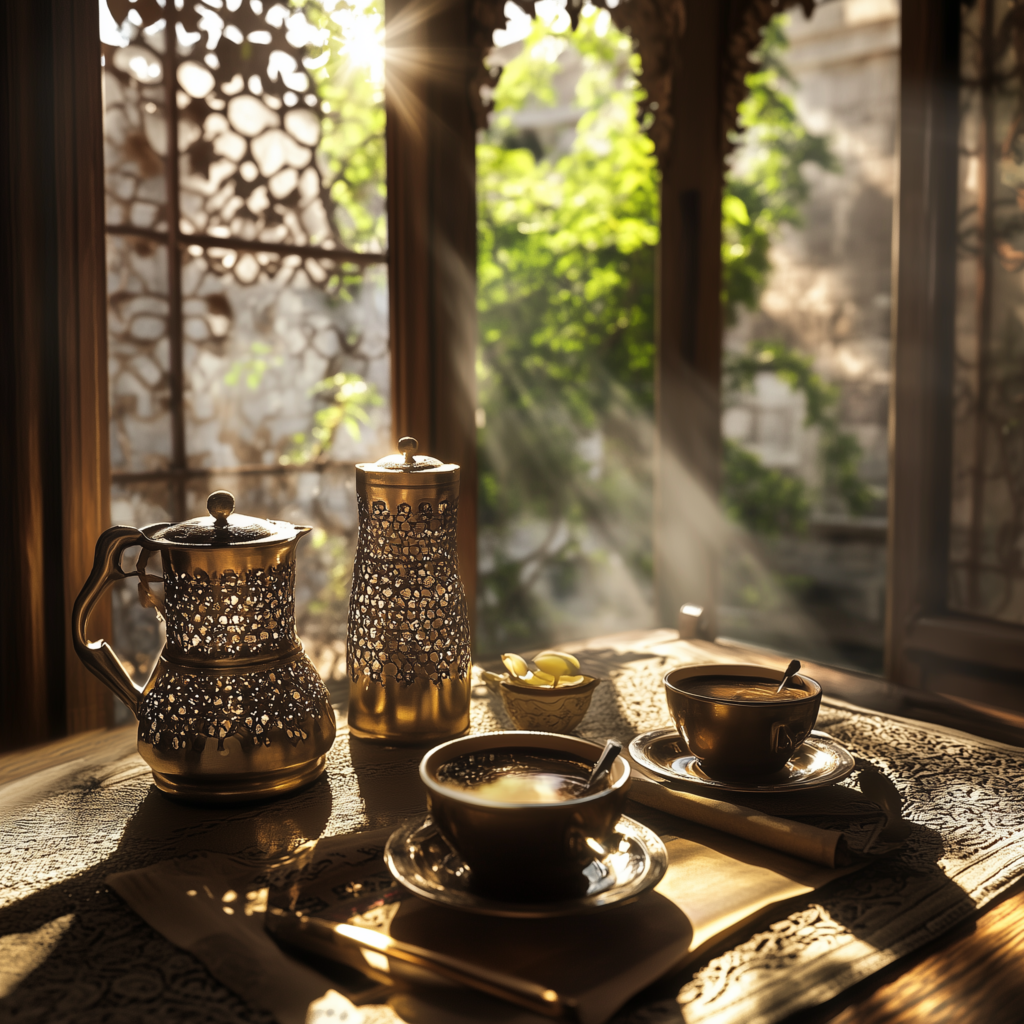
Armenian coffee is typically served in small cups and sipped slowly to avoid disturbing the grounds. After finishing the coffee, it’s common to read fortunes from the coffee grounds left at the bottom of the cup. This tradition, known as tasseography, adds a fun and culturally meaningful element to the coffee-drinking experience. It’s a form of storytelling where shapes in the residue are interpreted to predict the future, often sparking lively conversations and laughter among friends and family.
When serving Armenian coffee, it’s customary to pair it with a small sweet treat, such as baklava, lokum (Turkish delight), or even dried fruits and nuts. In some regions, it is also common to serve fruit preserves or honey cakes alongside the coffee, providing a variety of flavors that complement the strong, bold taste of the coffee. This pairing balances the strong, bold flavor of the coffee and creates a complete sensory experience. It is also traditional to serve water alongside the coffee, allowing guests to cleanse their palate between sips.

Cultural Insights
In Armenian culture, coffee is more than just a drink—it’s a social ritual that brings people together. Making and sharing coffee is an act of hospitality and a way to connect with friends and family. Traditionally, the host serves guests first, often with a warm smile and a few kind words, highlighting the importance of making guests feel valued and welcome.
It’s said that learning to make Armenian coffee is a step toward independence and adulthood, emphasizing its importance in daily life. The process of brewing coffee involves patience and attention, reflecting the value placed on care and hospitality in Armenian culture.
The preparation of Armenian coffee is often seen as an art form, where each step must be done with care to achieve the perfect result. The thick layer of crema is not just about taste but also about tradition and pride. In many Armenian households, the skill of making the perfect cup of coffee is passed down from generation to generation, symbolizing continuity and cultural heritage.
Armenian coffee is also a part of many important life events, such as engagements, holidays, and family gatherings. It’s a drink that accompanies significant conversations, heartfelt toasts, and celebrations, marking its place in the fabric of Armenian life. Whether it’s a casual morning chat or a festive gathering, Armenian coffee plays a central role in fostering connection and community.
Conclusion
Making Armenian coffee takes some practice, but the process is rewarding, and the result is a rich, flavorful cup that brings a taste of Armenian culture into your home. The ritual of brewing, serving, and sharing Armenian coffee is a wonderful way to connect with tradition and with the people around you.
Try it for yourself, and feel free to share your experiences or any variations you’ve experimented with. Whether you add a bit of sugar or spice it up with cardamom, each cup tells a story and brings people together.
Let’s celebrate the art of Armenian coffee together—brew a cup, savor the bold flavor, and create meaningful moments with those around you. Share your thoughts, your favorite tweaks, or even your fortune-reading experiences. The journey of perfecting Armenian coffee is as delightful as the drink itself!