Spring brings renewal, and what better way to welcome the season than with a fresh approach to your coffee experience? As the world wakes up from winter, your coffee routine can bloom with new life too. Let’s explore how to make the most of this season’s unique coffee offerings.
As an Amazon Associate, I earn from qualifying purchases and sometimes recommend products from other sellers at no extra cost to you. For more details see my disclosure policy and privacy policy.

Why Spring Coffee Tastes Different
The changing seasons affect coffee in surprising ways. Spring harvests often bring lighter, brighter flavors with floral notes and crisp acidity. These coffees typically come from regions like Ethiopia, Kenya, and Central America, where the harvest seasons align perfectly with our spring months.
The natural sweetness in these beans shines through particularly well in light to medium roasts. Your morning cup might reveal hints of citrus, berries, or delicate floral notes that were hiding during the winter months.

The Coffee Chef Planner
Daily planning, journalling, and a proper coffee tasting log with a flavour wheel — 20 pages in one printable bundle.
Shop the planner →
Brewforge
A growing edit of coffee bar gear we’d genuinely want on our own counter, added to as we find things worth having.
Shop Brewforge →Selecting Your Spring Beans
When choosing beans this season, look for these characteristics:
- Single-origin coffees showcase the unique characteristics of each growing region. Try rotating between different origins each week to develop your palate and find your favorites. Ethiopian Yirgacheffe beans offer jasmine and bergamot notes that pair beautifully with spring mornings.
- Fresh roast dates matter more than ever in spring. The bright, complex flavors we’re looking for fade more quickly than darker roast notes, so aim to use your beans within 2-3 weeks of roasting. Check out our guide on how long coffee beans last for optimal storage tips.
- Consider trying organic coffee beans this season. Their clean, crisp flavor profiles often align perfectly with spring’s lighter brewing styles.
Spring Brewing Methods
The warmer weather calls for some adjustments to your brewing routine. While cold brew becomes more appealing, don’t pack away your hot brewing methods just yet.
For hot coffee, try these spring-specific tweaks:
- Lower your water temperature slightly (195°F instead of 200°F) to highlight the delicate floral notes without introducing bitterness. A gooseneck kettle gives you precise temperature control.
- Experiment with shorter brewing times to emphasize brightness over body. For pour-over methods, try a 2:30 total brew time instead of the typical 3:00.
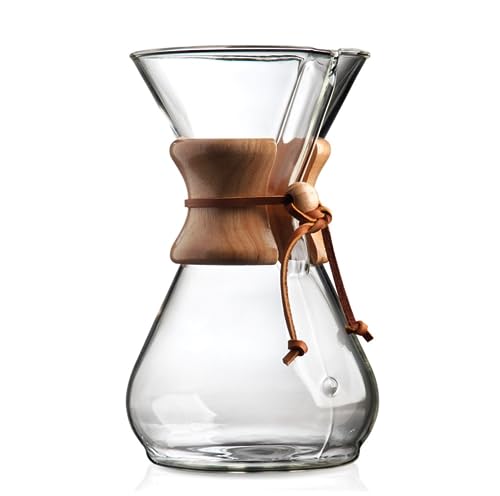
- Consider switching to a Chemex or AeroPress for cleaner, brighter cups that showcase spring coffee’s subtle flavors.
Tasting Notes for the Season
Spring coffees often feature distinctive flavor profiles. You might notice:
- Floral hints reminiscent of cherry blossoms or jasmine
- Bright citrus notes like Meyer lemon or orange zest
- Light berry flavors, particularly in African beans
- Clean, crisp finishes that leave your palate refreshed
Start a tasting journal to track your coffee journey. Note the origin, roast date, brewing method, and how flavors change as the coffee cools. This practice helps develop your palate and discover your preferences.

Spring Coffee Troubleshooting Guide
Common challenges with spring coffees and how to address them:
- Too Acidic: If your coffee tastes too bright or acidic, try a slightly cooler water temperature or coarser grind size. Check our guide to coffee grind sizes for perfect adjustment.
- Weak Flavor: Spring coffees are naturally lighter, but if they taste too weak, try increasing your coffee-to-water ratio slightly or using slightly hotter water.
- Inconsistent Taste: Spring’s temperature fluctuations can affect brewing. Keep your beans in an airtight container away from sunlight and moisture. Consider investing in a good grinder for consistent results.
- Bitter Notes: If you’re getting unwanted bitterness, your water might be too hot for these delicate beans. Drop the temperature by 5-10 degrees or try a shorter brewing time.
Storage and Freshness
Spring’s varying temperatures and humidity require extra attention to storage:
- Keep beans in an airtight container away from direct sunlight
- Store in a cool, dry place – not near windows where temperature fluctuates
- Buy smaller quantities more frequently to maintain optimal freshness
- Consider using coffee accessories designed for proper bean storage
Seasonal Drink Ideas
Get creative with your spring coffee routine:
- Try a honey-sweetened coffee to complement the natural sweetness of spring beans
- Experiment with iced coffee recipes as temperatures rise
- Create refreshing coffee smoothies with seasonal fruits
- Explore different ways to brew to find your perfect spring method
This guide will help you make the most of spring’s unique coffee offerings. Remember, tasting is personal – there’s no wrong way to enjoy your coffee. Let your palate guide you through the season’s offerings, and don’t hesitate to adjust these suggestions to match your preferences.