Coffee aficionados cherish the ritual of brewing the perfect cup, and the AeroPress has emerged as a beloved tool in this quest for caffeinated bliss. Esteemed for its versatility, reliability, and simplicity, the AeroPress facilitates the extraction of rich, smooth flavors from coffee beans, creating an unparalleled tasting experience.
As an Amazon Associate, I earn from qualifying purchases and sometimes recommend products from other sellers at no extra cost to you. For more details see my disclosure policy and privacy policy.
In this guide, we’ll explore essential tips and tricks to refine your brewing technique, elevate your AeroPress game, and ensure each cup you craft is nothing short of spectacular. Whether you’re a seasoned brewmaster or new to the world of AeroPress, these insights will enhance your appreciation and skill in the art of coffee preparation.
Why the AeroPress is a favorite among coffee enthusiasts
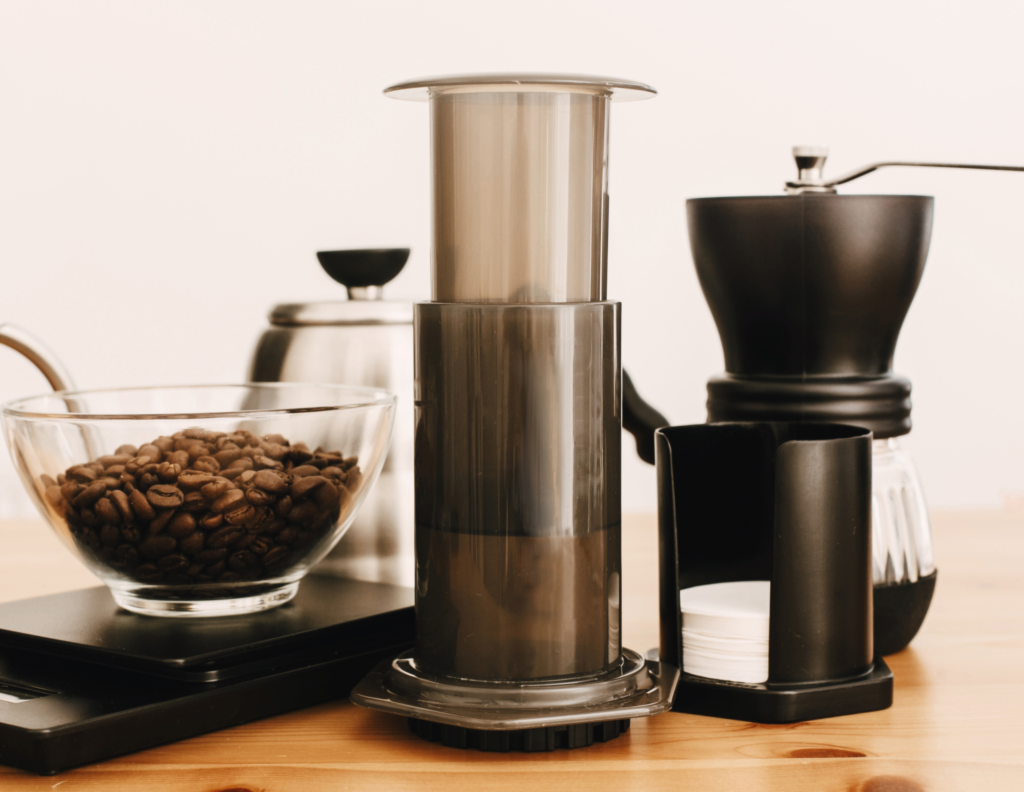
The AeroPress has earned its esteemed position among coffee lovers for several compelling reasons. Firstly, its unique brewing method, which combines immersion and pressure, yields coffee that is rich in flavor but low in bitterness and acidity. This means enthusiasts can enjoy a broader spectrum of coffee tastes and aromas without the harshness that other methods might produce.

The Coffee Chef Planner
Daily planning, journalling, and a proper coffee tasting log with a flavour wheel — 20 pages in one printable bundle.
Shop the planner →
Brewforge
A growing edit of coffee bar gear we’d genuinely want on our own counter, added to as we find things worth having.
Shop Brewforge →Furthermore, the AeroPress is renowned for its portability and durability. Made from sturdy, lightweight plastic, it’s an ideal travel companion for those unwilling to compromise on the quality of their daily brew, even while on the go.
Lastly, its simplicity and speed have a universal appeal. From grinding the beans to sipping a freshly brewed cup, the entire AeroPress process can take as little as two minutes, making it a favorite for busy mornings or a quick coffee fix any time of the day.
Choosing the Right Beans
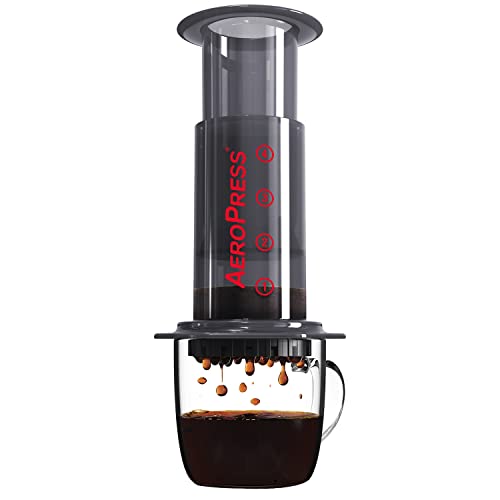
The choice of beans is paramount in the quest for the perfect AeroPress brew. The versatility of the AeroPress means it can accommodate a wide range of coffee beans, but the selection can greatly influence the flavor, aroma, and overall quality of your cup.
Light to medium roast beans are recommended for those seeking a bright, vibrant cup with higher acidity. These roasts highlight the unique characteristics of the coffee’s origin and offer a diverse palette of flavors, from citrus and floral to berry and fruit.
On the other hand, for enthusiasts desiring a richer, more full-bodied experience, dark roast beans may be preferable. These beans provide deep, chocolaty, and nutty profiles, ensuring a robust cup that’s both satisfying and complex.
Ultimately, experimenting with different origins and roast levels can be a delightful exploration, leading you to discover the beans that best cater to your taste and enhance your AeroPress brewing adventure.
Grind Consistency
Achieving the right grind consistency is crucial in extracting the most desirable flavors from your coffee beans, especially when using the AeroPress. The size of your coffee grind affects how water interacts with the coffee during extraction, influencing your brew’s overall taste and strength.
For AeroPress, a fine to medium grind is generally recommended, akin to table salt in texture. This size allows for a balanced extraction, ensuring the water isn’t passing through too quickly or too slowly, which can respectively result in under-extraction (sour, weak coffee) or over-extraction (bitter, harsh coffee).
However, the beauty of the AeroPress lies in its flexibility—adjustments can be made to the grind size based on personal taste preferences and the type of beans used. Experimentation is key; slight adjustments can lead to significant improvements in flavor. Remember, consistency in your grind is as important as the size. A uniform grind ensures even extraction and a harmonious blend of flavors in your cup.
Water Temperature
The water temperature plays an essential role in the AeroPress brewing process, significantly affecting the extraction of flavors and aromas from your chosen beans. Ideally, water temperature should be tailored to the roast level of the coffee to optimize extraction and achieve a balanced cup.
For light to medium roast beans, a slightly higher temperature range of 195°F to 205°F (90°C to 96°C) is recommended. This temperature range extracts the delicate, intricate flavors typical of these roasts, enhancing their inherent brightness and acidity.
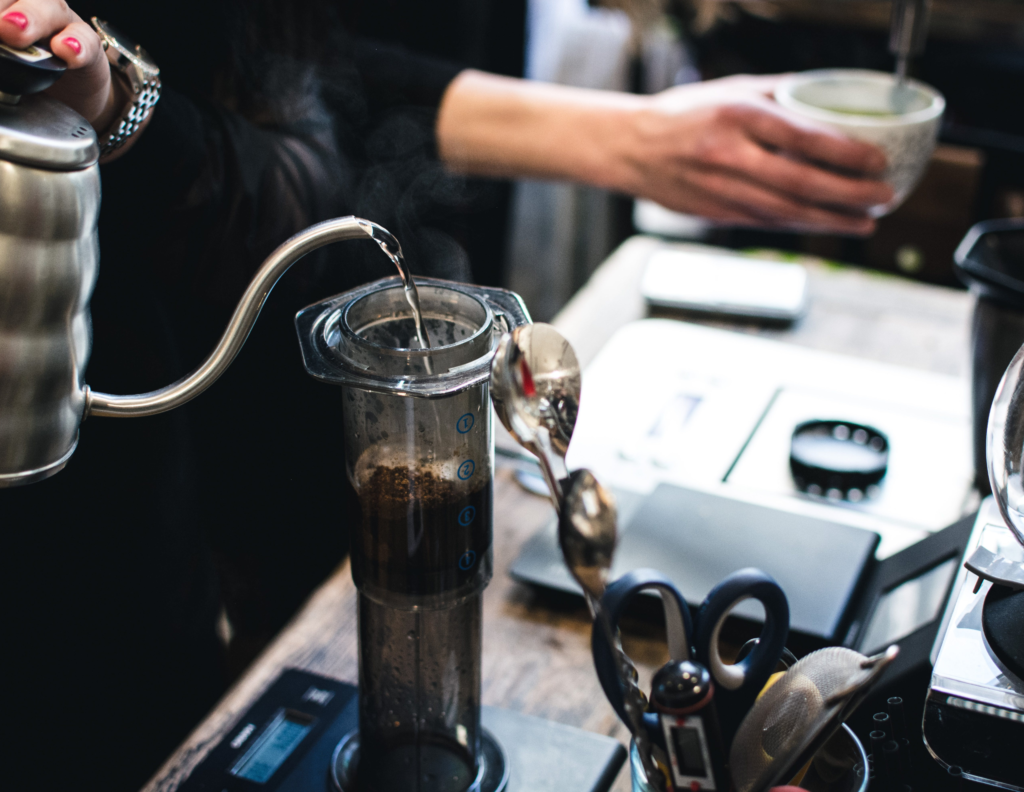
Conversely, for darker roasts, a slightly lower temperature range of 185°F to 195°F (85°C to 90°C) is advisable to avoid over-extraction of bitter compounds, resulting in a smoother, richer cup.
To precisely control the water temperature, using a digital thermometer or an electric kettle with a temperature setting is recommended. This practice allows for consistent brewing results and enables you to fine-tune the temperature based on your taste preferences and the specific roast level of your beans.
Brewing Techniques
Exploring different brewing techniques with the AeroPress can profoundly impact the flavor profile of your coffee, offering a playground for experimentation and discovery. Two popular methods among enthusiasts are the standard method and the inverted method, each providing unique characteristics to the final brew.
The Standard Method is the original approach recommended by AeroPress. In this method, the AeroPress is positioned with the filter facing down over a mug or cup. Coffee grounds are added, followed by hot water. After a brief stir, the coffee is allowed to steep for a few moments before using the plunger to press the coffee through the filter into the cup. This method is praised for its speed and convenience, producing a clean, rich cup of coffee with good body and minimal bitterness.
The Inverted Method, on the other hand, flips the AeroPress upside down, with the plunger at the bottom. Coffee and water are mixed in the chamber, allowing them to steep without any drip through until the brewer is ready. After steeping, the filter cap, fitted with a pre-wet filter, is secured onto the chamber, and the AeroPress is inverted back over a cup to press the coffee through. This method can emphasize different flavor notes, often resulting in a fuller body and more nuanced taste, as it allows for extended brewing time and prevents premature drip.
Experimenting with Brewing Times is crucial in both methods. While the standard method often recommends a brewing time of around 1 to 1.5 minutes, the inverted method can vary more significantly, with some coffee aficionados experimenting with times up to 4 minutes or more, depending on the grind size and desired flavor extraction.
Finding the perfect brewing time requires experimentation and adjustment, as different beans, grind sizes, and personal taste preferences can lead to different optimal extraction times. Incremental adjustments can have profound effects on the cup’s overall taste, allowing for a customized brewing experience that highlights the best attributes of your coffee.
Pressure and Plunge
The final, critical step in the AeroPress brewing process is the application of pressure through the act of plunging. This phase, often seen as the culmination of the brewing ritual, is where the coffee is finally extracted through the filter by pressing down on the plunger. The key to mastering this step lies in understanding how variations in pressure can affect the brew.
Applying gentle pressure results in a slower extraction, potentially highlighting the coffee’s subtle flavor nuances and creating a smooth, well-balanced cup. This technique is particularly beneficial for lighter roasts, where the aim is to extract the delicate, complex flavors without overpowering bitterness. On the contrary, exerting a firmer pressure can speed up the extraction process, yielding a bolder, more intense flavor profile suitable for those who prefer a stronger, fuller-bodied coffee. This approach may complement darker roasts, as it helps to extract the rich, deep flavors characteristic of these beans.
The beauty of the AeroPress lies in its capacity for customization. By adjusting the pressure applied during plunging, users can experiment with different extraction levels, fine-tuning the balance between body, acidity, and flavor notes to suit personal preferences. This variability makes the AeroPress a versatile tool, capable of crafting a wide range of coffee experiences from a single device. Whether seeking a delicate, nuanced brew or a robust, hearty cup, mastering the art of pressure and plunge is essential to unlocking the AeroPress’s full potential.
Filter Options
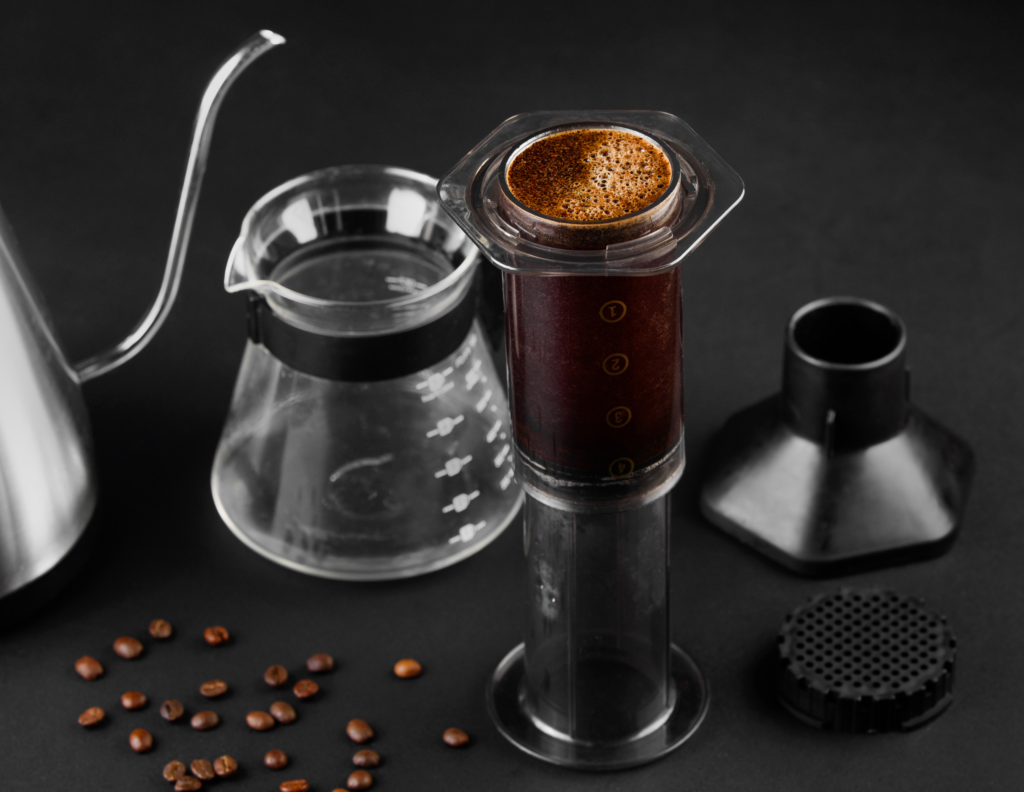
Choosing the right filter is a critical aspect of the AeroPress brewing process, significantly influencing the flavor and body of the final cup. AeroPress users typically have two primary filter options to choose from: paper filters and metal filters. Each type has its distinct characteristics and impacts on the coffee it produces, making the choice between them a matter of personal preference and the desired outcome in the cup.
Paper Filters are the standard option that comes with the AeroPress. They are appreciated for their ability to produce a clean cup of coffee by removing most of the coffee oils and fines (tiny coffee particles). This results in a coffee that is light-bodied and crisp, with pronounced acidity and clarity of flavors. Paper filters are also disposable, which makes cleanup a breeze but does require purchasing replacements regularly.
Metal Filters, on the other hand, are reusable and environmentally friendly. They allow more oils and fines to pass through into the final brew, leading to a coffee that has a fuller body and richer mouthfeel. The increased presence of these oils can enhance the coffee’s natural flavors, making them more pronounced compared to coffee brewed with paper filters. However, this can also mean a slightly muddier cup, with more sediment at the bottom.
How to Choose: The decision between paper and metal filters comes down to what you value more in your coffee. If you prefer a cleaner, lighter cup with a focus on acidity and flavor clarity, a paper filter is likely more your style. For those who enjoy a more robust cup, full of rich flavors and don’t mind a bit of sediment, a metal filter could be the way to go.
Why It Matters: The choice of filter not only affects the taste and body of the coffee but also the brewing process itself. Paper filters may require a finer grind and potentially a longer brew time to compensate for their tighter weave, whereas metal filters can accommodate a coarser grind and slightly quicker brew, given their larger pores. Understanding these nuances allows you to adjust your brewing technique to suit the filter type, ensuring that you consistently craft the perfect cup of coffee with your AeroPress.
Cleaning and Maintenance
Maintaining your AeroPress is straightforward yet essential for ensuring the longevity of the device and the quality of the coffee it produces. After each use, it is crucial to disassemble and rinse each part with warm water to prevent coffee oil buildup, which can impart unwanted flavors to your brews. For a deeper clean, especially if your AeroPress has developed a coffee stain or odor, a gentle, unscented soap can be used. However, it’s important to thoroughly rinse all the soap off to avoid any residue.
Occasionally, you might find it beneficial to use a non-abrasive sponge or brush to clean the filter cap and plunger seal more thoroughly, as these parts are more prone to oil accumulation. Ensuring that the rubber seal on the plunger is completely dry before storing it will prevent mold growth and maintain the seal’s integrity. Additionally, storing the AeroPress in a dry place without compressing the plunger into the chamber can further extend the lifespan of the rubber seal.
For those using paper filters, disposing of them after each brew is recommended, while metal filters should be rinsed and occasionally soaked in a vinegar solution to break down any oil buildup. Following these simple but effective cleaning and maintenance practices will keep your AeroPress in optimal condition, ready to produce the perfect cup of coffee every time.
Advanced AeroPress Recipes
Exploring beyond the basic AeroPress brew opens a world of innovative and delightful coffee recipes tailored to personal taste. For enthusiasts eager to experiment, here are a few advanced recipes to try:
1. AeroPress Espresso
- For a concentrated espresso-like shot, use 18 grams of finely ground coffee and 60 ml of water heated to around 200°F. The key is a quick plunge after a 30-second bloom period, aiming to press down within 15 seconds. This process yields a rich, bold shot that can be enjoyed as is or used as a base for lattes and cappuccinos.
2. Cold Brew Concentrate
- The AeroPress can also produce an exquisite cold brew concentrate. Simply combine 35 grams of coarsely ground coffee with 175 ml of cold water. Stir the mixture thoroughly, attach the filter cap without plunging, and allow it to steep in the fridge for about 12 hours. Then, press slowly over ice to enjoy a refreshing cold brew. Adjust the steep time for a stronger or milder flavor.
3. Japanese Iced Coffee
- This method captures the essence of a bright, flavorful iced coffee. Use 17 grams of medium-fine ground coffee, but split your water into 100 ml of hot water (about 200°F) and 100 ml of ice placed directly in your serving vessel. After a 10-second stir, insert the plunger and press gently over the ice. The immediate cooling locks in the coffee’s aroma and flavor, creating a crisp and invigorating cup.
How to Tweak Recipes to Personal Taste
Customizing these recipes to match personal taste preferences is straightforward. Here are some adjustments to consider:
- Grind Size: A finer grind extracts more quickly, offering a richer flavor, while a coarser grind results in a lighter, more nuanced taste.
- Water Temperature: Hotter water extracts more aggressively, emphasizing bold and bitter notes. Cooler water, conversely, tends to highlight acidity and subtle flavors.
- Brew Time: Longer brew times increase extraction, deepening the coffee’s body and complexity. Shortening the brew time will yield a smoother, more mellow cup.
- Ratio of Coffee to Water: Increasing the coffee-to-water ratio makes a stronger, more concentrated brew. Conversely, using more water relative to coffee will dilute the strength, leading to a lighter cup.
Experimentation is the heart of the AeroPress experience. By adjusting these variables, coffee lovers can refine their brewing method to perfectly align with their flavor preferences, creating a personalized coffee experience that is uniquely rewarding.
Conclusion
The AeroPress has revolutionized the way we brew coffee, combining simplicity with versatility to cater to a broad spectrum of coffee preferences. From the crisp, clean taste of a paper-filtered light roast to the robust, full-bodied richness achieved with a metal filter, the AeroPress offers an array of brewing possibilities that are limited only by one’s willingness to experiment. Its ease of use, coupled with minimal cleanup and maintenance, makes it an invaluable tool for both novice coffee drinkers and seasoned aficionados alike.
Whether you’re in pursuit of the perfect espresso alternative or a refreshing cold brew, the AeroPress stands as a testament to the innovation and diversity within the world of coffee. By following the basic principles of grinding, temperature, and timing—while remaining open to experimentation—you can unlock an endless variety of flavors and textures, making every cup a new discovery.