Coffee, a widely cherished beverage, comes in a multitude of varieties, with instant coffee enjoying significant popularity due to its convenience. While the taste and sophistication of freshly brewed coffee are undisputed, the rapid pace of life today has made instant coffee a choice of necessity for many. This guide will delve into the varied aspects of instant coffee, from its preparation to tips for enhancing its flavor, aiming to enrich your coffee experience.
As an Amazon Associate, I earn from qualifying purchases and sometimes recommend products from other sellers at no extra cost to you. For more details see my disclosure policy and privacy policy.
What is Instant Coffee?
Instant coffee, also known as soluble coffee or coffee powder, is a beverage derived from brewed coffee beans. It enables people to quickly prepare hot coffee by adding hot water or milk to the powder or crystals and stirring. Instant coffee is commercially prepared through either freeze-drying or spray drying methods, after which it can be rehydrated.
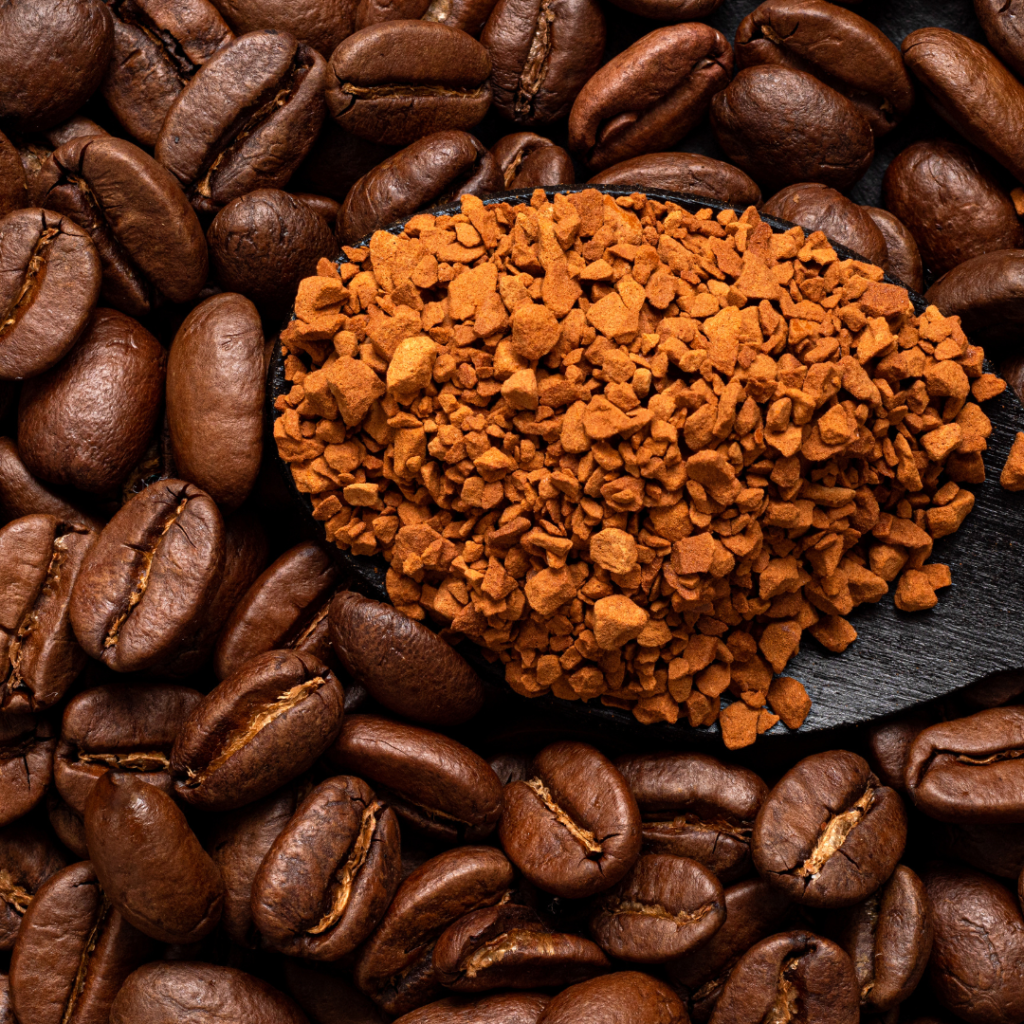
How It’s Made
The production process of instant coffee begins with roasting and grounding the coffee beans. After this, an extraction process takes place, where the flavors and aromas are extracted from the beans, resulting in a high-concentration liquid coffee.
This liquid then undergoes one of two drying processes:

The Coffee Chef Planner
Daily planning, journalling, and a proper coffee tasting log with a flavour wheel — 20 pages in one printable bundle.
Shop the planner →
Brewforge
A growing edit of coffee bar gear we’d genuinely want on our own counter, added to as we find things worth having.
Shop Brewforge →- Spray Drying: This involves spraying the coffee extract into hot air at the top of a tall cylinder. As the droplets fall, they dry up and turn into fine powder or small pieces.
- Freeze Drying: In this method, the coffee extract is frozen at extremely low temperatures and cut into small fragments. These fragments are then dried at low pressure to remove the ice by sublimation.
Both processes aim to reduce the coffee extract to a dry form while preserving its flavor and aroma.
Rising Popularity and Convenience
Instant coffee has gained popularity due to its convenience and speed of preparation. It is especially favored by those with busy lifestyles who want a quick caffeine fix without the hassle of brewing a full pot of coffee.
In addition, instant coffee is lightweight and compact, making it perfect for travel or situations where carrying ground coffee and brewing equipment is impractical. The long shelf-life also adds to its appeal, allowing you to keep it in your pantry for months or even years.
However, it’s worth noting that while instant coffee offers convenience, it generally lacks the depth of flavor and aroma found in freshly brewed coffee. However, with advancements in technology, manufacturers are continually improving the taste and quality of instant coffee to meet the growing demand.
So, whether you’re a camping enthusiast, a busy professional, or just someone who enjoys a quick, hassle-free cup of coffee, instant coffee is definitely worth a try.
What is Instant Coffee?
Instant coffee, also known as soluble coffee, is a type of coffee made from dried coffee extract. It’s a quick and convenient way to make a cup of joe without the need for brewing equipment. But how exactly does it differ from brewed coffee? Let’s delve deeper.
How Instant Coffee Differs from Brewed Coffee
Brewed coffee is prepared by pouring hot or boiling water over ground coffee beans, usually contained in a filter. The water then extracts the flavors and compounds from the beans, resulting in a flavorful cup of coffee. This process can take several minutes and requires a coffee maker or similar equipment.
Instant coffee, on the other hand, simplifies this process significantly.

The coffee has already been brewed and dehydrated, so all you need to do is add hot water to rehydrate the coffee granules. There’s no need for any special equipment, and you can have a cup ready in just a few seconds.
This convenience comes at a cost, though. Many coffee enthusiasts argue that instant coffee lacks the depth and complexity of flavor found in freshly brewed coffee. This is because the process of dehydrating the coffee can result in the loss of volatile compounds that contribute to coffee’s aroma and flavor.
Key Characteristics of Instant Coffee
- Soluble Granules: Instant coffee comes in the form of small, dry granules or powder. These granules are made by either freeze-drying or spray-drying brewed coffee.
- Quick Preparation: As mentioned earlier, one of the main advantages of instant coffee is its speed and convenience. Just add hot water, stir, and your coffee is ready to drink.
- Long Shelf Life: Thanks to the dehydration process, instant coffee has a longer shelf life than fresh coffee. It can last for months or even years without losing its flavor.
- Versatile: Instant coffee can be used in a variety of recipes, not just for drinking. It can be used in baking, cooking, or even making coffee-flavored cocktails.
How is Instant Coffee Made?
Instant coffee is created through a meticulous process that starts with the selection and roasting of coffee beans. Two main types of coffee beans are most commonly used: Arabica and Robusta, with the latter often being of a lower quality.
The manufacturing process begins with roasting raw coffee beans to develop their color and flavor. After this, the beans are finely ground and brewed to make coffee. The water in this brewed coffee is then removed through one of two methods: freeze-drying or spray-drying.

In freeze-drying, the coffee extract is frozen and cut into small fragments, which are then dried at a low temperature under vacuum conditions. This process preserves the coffee’s aroma and flavor.
Spray-drying, on the other hand, involves spraying liquid coffee in a fine mist through very hot, very dry air. This method is faster and less costly than freeze-drying, but it may result in a loss of some volatile compounds that contribute to the flavor and aroma of the coffee.
After drying, the resulting pieces or powder is what we know as instant coffee. It is packaged and stored until needed. To make a cup of instant coffee, simply add hot water or milk to the coffee solids.
It’s worth noting that while instant coffee offers convenience, its taste and nutritional profile may be different from that of regular coffee.
Pros and Cons of Instant Coffee
Advantages of Instant Coffee
Instant coffee offers several advantages that make it a popular choice among coffee lovers worldwide. Here are some of the key benefits:
- Convenience and Time-Saving: The most significant advantage of instant coffee is its convenience. No need for a coffee maker or French press; just add hot water, stir, and your coffee is ready. This ease of preparation saves you valuable time, especially during busy mornings when every minute counts.
- Long Shelf Life and Easy Storage: Unlike ground coffee or whole beans that can lose their flavor within weeks, instant coffee has a much longer shelf life. It can last for months, even years, without losing its taste or aroma if stored correctly. It’s also easy to store, requiring only a cool, dry place away from direct sunlight.
- Portable and Travel-friendly: Instant coffee is lightweight and compact, making it perfect for travel. Whether you’re going camping, staying in a hotel, or just need a coffee fix at work, you can easily carry instant coffee with you. All you need is access to hot water, and you can enjoy a comforting cup of coffee anywhere, anytime.
- Less Waste: With instant coffee, you use only what you need, reducing waste. There are no leftover coffee grounds to deal with, making cleanup easier.
- Variety of Flavors: Instant coffee comes in a wide range of flavors and intensities. Whether you prefer a mild, medium, or strong cup of coffee, you can find an instant coffee that suits your tastes.
- Cost-Effective: Generally, instant coffee is less expensive than ground coffee or coffee beans, making it a more cost-effective choice for daily consumption.
While instant coffee may not offer the same depth of flavor as freshly brewed coffee, its convenience, longevity, and portability make it an excellent option for many coffee drinkers.
Disadvantages of Instant Coffee
While instant coffee is convenient and easy to prepare, it does come with its share of disadvantages. Here are a few:
- Taste and Aroma Differences: One of the most common complaints from coffee connoisseurs is that instant coffee simply doesn’t taste or smell as good as freshly brewed coffee. The process of making instant coffee can strip away some of the natural flavors and aromas of the coffee beans, leading to a less satisfying experience.
- Limited Variety and Flavor Options: Unlike freshly brewed coffee which you can tweak to your liking by choosing different types of coffee beans, roasts, and brewing methods, instant coffee comes in a limited number of varieties and flavors. This can be frustrating for those who enjoy experimenting with different tastes.
- Additives and Preservatives: Some brands of instant coffee may contain additives and preservatives to extend their shelf life. While these substances are generally considered safe for consumption, some people prefer to avoid them due to health concerns.
- Lower Antioxidant Levels: Freshly brewed coffee is known for its high antioxidant content, which can provide a range of health benefits. However, the processing involved in making instant coffee can lead to a reduction in these antioxidants.
- Environmental Impact: The process of making instant coffee involves a lot of energy usage, which can contribute to environmental pollution. Plus, instant coffee often comes in single-use plastic or glass jars which are not always recycled.
While instant coffee can be a great option for those who value convenience and speed, it’s important to be aware of these potential downsides. If you’re a coffee lover who values taste, variety, and health benefits, you might find that freshly brewed coffee is more to your liking.
How to Prepare Instant Coffee
Making instant coffee is a quick and convenient way to get your caffeine fix. Here’s a step-by-step guide to ensure you get the most out of your instant coffee.

Step 1: Choosing the Right Amount of Coffee Powder
Firstly, select the amount of instant coffee granules you want to use. This will depend on how strong you like your coffee. A general rule of thumb is to use one to two teaspoons of coffee granules per cup. However, you can adjust this to suit your taste.
Step 2: Selecting Hot Water Temperature
Next, you’ll need to heat up some water. The ideal temperature for making instant coffee is around 195 to 205 degrees Fahrenheit (90 to 96 degrees Celsius). If you don’t have a thermometer, a good trick is to bring the water to a boil and then let it sit for about a minute to lower the temperature slightly before using it.
Step 3: Mixing and Dissolving the Granules Properly
Pour the hot water over your instant coffee granules, ensuring they are fully submerged. Stir the mixture until the granules are completely dissolved. This should take about 20 seconds of stirring. It’s important not to rush this step, as undissolved granules can lead to a bitter taste.
Step 4: Optional Additions (Sugar, Milk, etc.)
Finally, add any additional ingredients you like to your coffee. This could be sugar, milk, cream, or even a sprinkle of cinnamon. Stir well to combine everything.
Tips for Improving the Instant Coffee Experience
Sure, here are some tips to elevate your instant coffee experience:
- Experiment with Different Brands and Varieties: Not all instant coffees are alike. Some brands offer stronger flavors than others. There are also different varieties like regular, decaf, dark roast, and flavored coffees. Don’t hesitate to try different brands until you find the one that suits your taste.
- Use Filtered or Boiled Water: The quality of water you use can significantly affect the taste of your coffee. Using filtered or freshly boiled water can enhance the flavor of your instant coffee.
- Add Spices or Flavorings: You can add a variety of spices and flavorings to your coffee to enhance its taste. For instance, adding a hint of cinnamon or nutmeg can give your coffee a unique flavor. You can also try adding vanilla extract, almond extract, or even cocoa powder for a different taste.
- Explore Creative Recipes: Don’t limit yourself to just hot coffee. Experiment with other recipes like iced coffee or coffee-based desserts. For example, you can make an affogato by pouring hot coffee over a scoop of vanilla ice cream. Another popular coffee-based dessert is tiramisu, which uses espresso in its recipe.
- Use Milk or Creamer: If you find your instant coffee too bitter, consider adding milk or creamer. These can soften the coffee’s taste and add a creamy texture. You can also try non-dairy alternatives like almond milk, oat milk, or soy milk.
- Sweeten It Up: Some people prefer their coffee sweet. If you’re one of them, you can add sugar, honey, or a sugar substitute to your coffee. Make sure to add these gradually to avoid making your coffee too sweet.
Conclusion
In conclusion, the convenience and popularity of instant coffee cannot be overstated. It’s a quick, easy way to enjoy a cup of joe, whether you’re at home, in the office, or on the go. Its widespread availability and affordability have made it a staple in many households around the world.
However, the world of instant coffee is far more diverse and exciting than many people realize. There are countless brands out there, each with their unique taste profiles and brewing techniques. Some offer bold, robust flavors for those who like their coffee strong, while others provide a lighter, more nuanced experience.
So, if you’ve been sticking to the same brand for years, why not spice things up a bit? Try out different brands, experiment with various brewing methods, and you might just discover a whole new world of flavors. After all, variety is the spice of life, and this certainly holds true for instant coffee. Enjoy your journey of exploration and savor every sip along the way.
More from the Coffee Chef: