In recent years, a new trend has been brewing in the coffee world: functional coffees. These innovative beverages are taking the health and wellness community by storm, offering more than just your typical caffeine boost. But what exactly are functional coffees, and what benefits do they claim to offer? Let’s dive in and explore this growing trend.
As an Amazon Associate, I earn from qualifying purchases and sometimes recommend products from other sellers at no extra cost to you. For more details see my disclosure policy and privacy policy.
What Are Functional Coffees?
Functional coffees are essentially regular coffee beverages that have been infused with additional ingredients aimed at providing health benefits beyond the typical effects of caffeine. These enhanced coffees combine our love for a good cup of joe with the growing interest in wellness and nutrition.
Key Ingredients in Functional Coffees
The world of functional coffee is diverse, with a wide range of ingredients being added to create unique blends. Here’s a more detailed look at some of the most popular additions:

The Coffee Chef Planner
Daily planning, journalling, and a proper coffee tasting log with a flavour wheel — 20 pages in one printable bundle.
Shop the planner →
Brewforge
A growing edit of coffee bar gear we’d genuinely want on our own counter, added to as we find things worth having.
Shop Brewforge →- Adaptogens: Herbs and mushrooms like ashwagandha, rhodiola, and ginseng are added to help the body adapt to stress and improve energy levels. These natural substances are believed to help balance the body’s stress response.
- Mushroom extracts: Varieties such as chaga, lion’s mane, and cordyceps are popular for their potential cognitive and immune-boosting benefits. For example, lion’s mane is often touted for its potential to support brain health and mental clarity.
- MCT oil: Medium-chain triglycerides are added for their potential cognitive and metabolic benefits. Some believe that MCT oil can provide quick, sustainable energy and support weight management.
- Collagen: This protein is included to potentially improve skin health, hair, nails, and joint function. It’s particularly popular among those looking to support their body’s natural collagen production.
- CBD: Cannabidiol is sometimes included for its purported calming effects and potential to reduce anxiety, although its use in food and beverages is still subject to regulatory scrutiny in many areas.
- Vitamins and minerals: Particularly vitamins A, D, E, and K are added to boost the nutritional profile of the coffee.
- Antioxidants: Ingredients like turmeric, matcha, and cacao are included for their antioxidant properties, which may help combat oxidative stress in the body.
- L-theanine: This amino acid, often found in green tea, is known for its potential calming effects and is sometimes added to coffee to balance out the stimulating effects of caffeine.
- Probiotics: These beneficial bacteria are added for potential gut health benefits, although their effectiveness when combined with hot coffee is still being studied.
- Superfruits and spices: Various fruits and spices are used to enhance flavor and provide additional health benefits. For example, cinnamon might be added for its potential blood sugar regulating properties.
It’s important to note that while these ingredients are popular additions to functional coffees, the scientific evidence supporting their effectiveness when added to coffee is often limited or inconclusive. The interaction between these ingredients and coffee, as well as their bioavailability when consumed in this form, are areas that require further research.

Claimed Benefits of Functional Coffees
Proponents of functional coffees suggest a range of potential benefits:
- Stress reduction and improved resilience to stress
- Enhanced cognitive function and mental clarity
- Immune system support
- Improved skin health (particularly from collagen-infused blends)
- Metabolism support
- Reduced inflammation
It’s important to note that while these benefits are claimed, the effectiveness of many added ingredients is still being researched, and individual responses may vary.
Popular Types of Functional Coffees
The market offers a variety of functional coffee options, each designed to cater to specific health and wellness goals. Here are some of the most popular types:
- Mushroom Coffee: This blend combines regular coffee with medicinal mushroom extracts, typically varieties like chaga, lion’s mane, or cordyceps. For example, chaga mushroom coffee is praised for its potential immune-boosting properties, while lion’s mane is often added for cognitive benefits. These coffees usually have a rich, earthy flavor and are marketed as providing sustained energy without the jitters often associated with regular coffee.
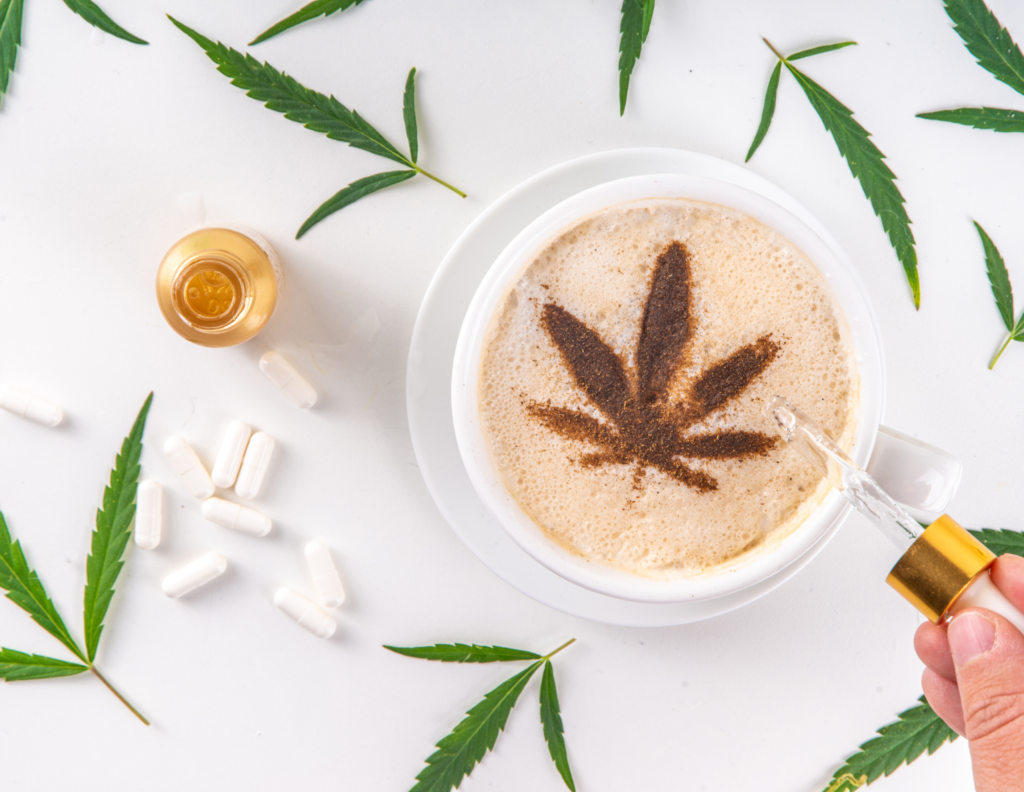
- CBD-Infused Coffee: Coffee infused with cannabidiol (CBD) oil is gaining popularity for its potential to provide the alertness of coffee while counteracting jitters and anxiety. CBD is a non-psychoactive compound derived from hemp plants, believed to have calming and anti-inflammatory properties. However, it’s important to note that regulations around CBD in food and beverages vary by location.
- Collagen-Enhanced Coffee Blends: These coffees are fortified with collagen protein, typically derived from bovine or marine sources. Collagen is the most abundant protein in our bodies and is crucial for skin, hair, nail, and joint health. Collagen coffee is often marketed towards beauty and anti-aging consumers, promising to support skin elasticity and joint function from the inside out.
- MCT Oil-Infused Coffee: Often marketed as “keto coffee” or “bulletproof coffee,” these blends incorporate medium-chain triglyceride (MCT) oil. MCT oil is quickly absorbed by the body and is believed to boost energy and support cognitive function. This type of coffee is particularly popular among followers of ketogenic diets, as it’s high in healthy fats and low in carbohydrates.
- Probiotic Coffee Blends: These innovative coffees incorporate probiotics, which are beneficial bacteria that support gut health. The challenge with probiotic coffee is ensuring the live cultures survive the brewing process. Some companies use specially developed heat-resistant probiotic strains or add probiotics to cold brew coffee to address this issue.
- Vitamin-Enriched Coffee Drinks: These coffees are fortified with various vitamins and minerals, often including B-vitamins for energy metabolism, vitamin D for immune support, and antioxidants like vitamins A and E. The goal is to transform your daily cup of coffee into a more nutritionally complete beverage.
- Adaptogen-Infused Coffee: While many mushroom coffees fall into this category, there are also coffees infused with other adaptogenic herbs like ashwagandha, rhodiola, or ginseng. These blends are marketed for their potential to help the body manage stress and improve overall resilience. They’re particularly popular among consumers looking for natural ways to cope with daily stressors.
- Nootropic Coffee Blends: These coffees are designed to enhance cognitive function, often combining coffee with ingredients like L-theanine (for focused calm), alpha-GPC (for memory and learning), or bacopa monnieri (for cognitive performance). They’re marketed towards students, professionals, and anyone looking for a mental edge.
- Functional Flavored Coffees: These blends incorporate superfruits, spices, or other flavorings that also offer potential health benefits. Examples include turmeric lattes for anti-inflammatory properties, cinnamon coffee for blood sugar regulation, or berry-infused coffees for antioxidant benefits.
Each of these functional coffee types aims to provide specific benefits beyond the usual caffeine boost, catering to various health and wellness goals. However, it’s important for consumers to approach these products with a critical eye and to consult with healthcare professionals when considering incorporating them into their daily routines, especially if they have pre-existing health conditions or are taking medications.

The Growing Popularity of Functional Coffees
Functional coffees are gaining significant traction, especially among health-conscious consumers and millennials looking for beverages that offer more than just caffeine. This trend aligns with the broader movement towards functional foods and beverages that cater to specific health and wellness goals.
The market for functional coffees is expected to see substantial growth, with some projections estimating it will reach $2.36 billion by 2027. This growth reflects the increasing consumer interest in incorporating wellness ingredients into daily routines without giving up their beloved coffee habit.
A Word of Caution
While functional coffees are an exciting trend in the wellness world, it’s crucial to approach health claims with a critical eye. The effectiveness of many added ingredients is still being studied, and results can vary from person to person. Additionally, the interaction between these ingredients and coffee, as well as their bioavailability when consumed in this form, are areas that require further research.
As with any significant change to your diet or supplement regimen, it’s always wise to consult with healthcare professionals before incorporating functional coffees into your daily routine.
Conclusion
Functional coffees represent an innovative intersection of our coffee culture and the growing wellness movement. By offering potential health benefits beyond the usual caffeine boost, these enhanced beverages are carving out a unique space in the market. Whether you’re looking to reduce stress, boost cognitive function, or support your overall health, there might be a functional coffee blend out there for you.
As this trend continues to evolve, we can expect to see even more creative and health-focused coffee options in the future. However, it’s important to approach these products with a balanced perspective, considering both their potential benefits and the current limitations in scientific evidence.