
A percolator is a basic coffee machine that uses gravity and steam to drive water through coffee grounds, extracting the flavour. Percolator fans prefer the brew’s potency, which is somewhat stronger than drip or French press coffee. They can easily over-extract the coffee if you don’t pay attention to temperature and brewing time.
As an Amazon Associate, I earn from qualifying purchases and sometimes recommend products from other sellers at no extra cost to you. For more details see my disclosure policy and privacy policy.
What types of percolators are there?
There are several different types of percolators to choose from that use slightly different parts of the brewing process.
Self-heating or electric percolators have a heated bottom plate that is activated when the device is plugged in and switched on.

The Coffee Chef Planner
Daily planning, journalling, and a proper coffee tasting log with a flavour wheel — 20 pages in one printable bundle.
Shop the planner →
Brewforge
A growing edit of coffee bar gear we’d genuinely want on our own counter, added to as we find things worth having.
Shop Brewforge →
Stovetop percolators and manual percolators are two more names for these devices. If you’re camping in a cold location, this may require an external heat source. However, depending on where you are, it might be anything from a stove burner to a campfire.
How Do Electric Percolators Work?
There are two chambers in a percolator, which is connected by a tiny tube. The water in the lower chamber boils and rises through the tube into the top chamber, where it drips down through the coffee grounds in the steel filter basket and back to the bottom after the heat has been applied.
When you do this, the pressure in the coffee basket increases and decreases as necessary. As long as you want a specific brew strength, this procedure will be repeated many times. Some electric percolators, on the other hand, will stop on their own after a period of time.

As the water flows from one chamber to the next, it builds up pressure, which aids in the extraction of more taste from the beans. This makes it a cross between Turkish and Cowboy coffee’s boiling brew technique and espresso’s pressure-brew approach.
How Much Coffee to Use in a Percolator
Percolators use a similar coffee-to-water ratio to a drip coffee maker. For every 8 ounces of water, most users add 1 tablespoon of grounds. This can be changed based on your preferences; use less coffee for a milder brew and more coffee for a stronger one.
How to Use an Electric Coffee Percolator
How much coffee do you need? First, coarsely grind the coffee. The filter won’t function properly if the coffee is too fine. This will most likely result in sludge in your cup, and it has the potential to clog the pipe.
- Pour the water into the reservoir and insert the filter, then place your ground coffee in.
- Turn on the percolator by pressing down the button and plugging it in. It will immediately begin to heat the water and should be ready within one minute.
- The brewing cycle is complete after approximately 3-6 minutes (depending on the type and size of the percolator). Many electric percolators have a light on the front that signals when they’re done.
- Before taking it apart, allow the percolator to cool down and then unplug it.
Some electric percolators let you change the length of the brew, but not all of them do. It’s possible that your coffee is bitter because it was brewed for too long. By switching off or unplugging the percolator, you can halt the process sooner than expected. It’s possible you’ll never have to hover over it.
Simply program a kitchen timer for the length of time you want your perk to brew when you start it, as with a French press or pour-over.
You might also like The Science of Coffee: How Many Coffee Beans in a Tablespoon? by The Coffee Chef
How to Ensure Best-tasting Coffee Using Electric Percolator
Using a percolator, it’s possible to make stronger cups of coffee that have been properly perked. The components of a beautifully perked coffee are as follows:
1 – Good Quality Coffee Beans
The first lesson in responsible coffee-making that the coffee lover learns is to use the best quality of beans; a beautiful cup of coffee will be yours if you do. Using lower-grade beans will result in your coffee being ruined, wasting time and effort on brewing.
2 – Proper Grind Consistency
For a great brew, coffee beans should ideally be ground to a medium coarse consistency. A finer grind texture will put the grinds at risk of washing down into the beverage, making it unappetizing to drink. Ground too fine, on the other hand, will make it difficult for the steam to extract the aromatic oils from the ground in a given amount of time, resulting in a weak batch of coffee.
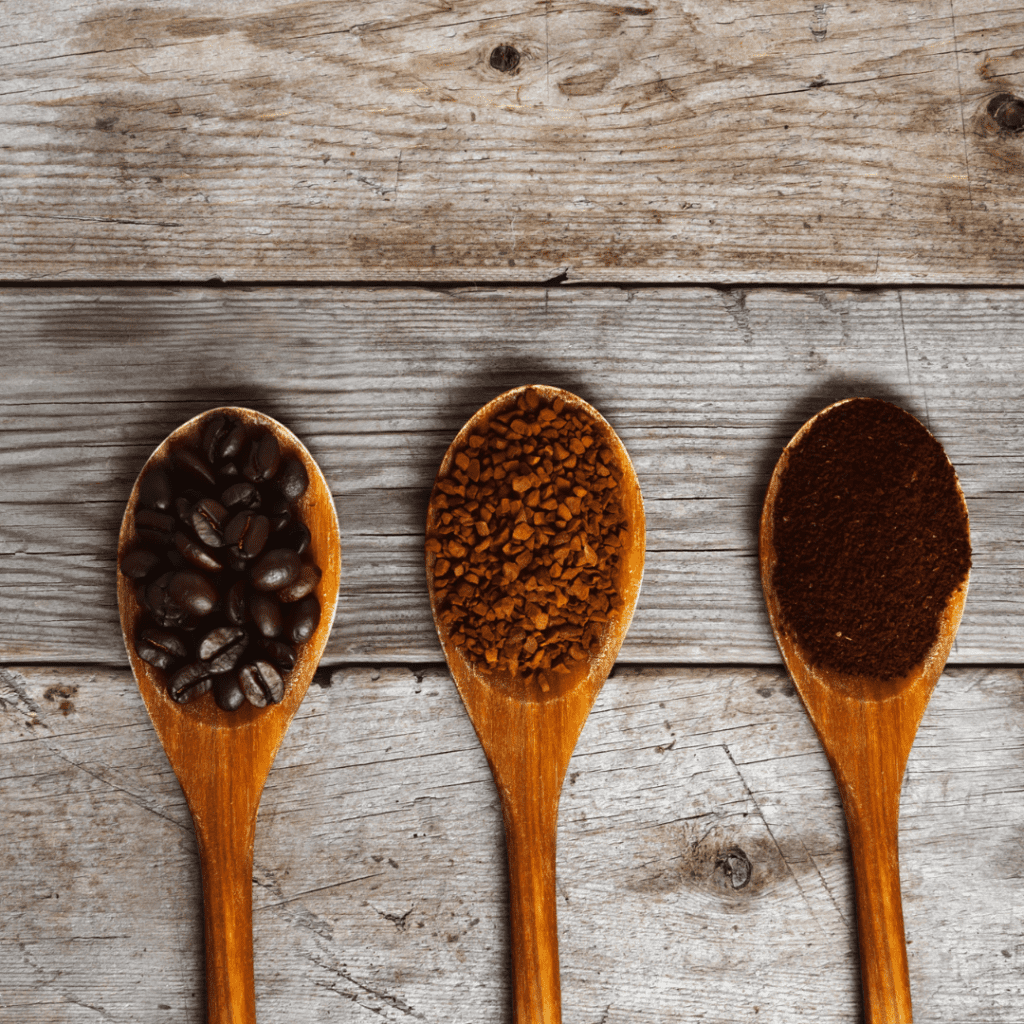
3 – Right Coffee Grounds to Water Ratio
It’s also vital to keep an eye on how much coffee is crammed into the basket in relation to the water in the percolator kettle. If the contents are packed too tightly, the steam may not properly extract the coffee essence. To save money, many customers choose to brew their own coffee.
However, if you use too little coffee, it will be washed away with the water or your filter will be weak. For a good cup of coffee, aim for 8 ounces of water and 1 tablespoon of ground coffee.
4 – Right Water Temperature
When it comes to extracting paper filters in a percolator, water that is nearly boiling temperature (about 198–204.8°F) produces the best effects. Using excessively hot water may impart a harsh and burnt taste to the beverage.
The temperature of the water is one of the most difficult parts of brewing coffee using this method. However, using an electric percolator instead of a stovetop unit can assist prevent it since it shuts off the heat supply to water at the correct temperature, allowing for a smoother brew.
5 – Appropriate Duration of Coffee Percolation
Over-circulation of perked coffee in the percolator, if left unattended for too long, might produce a bitter and chemical cup of coffee. Relax – most electric percolators have a specific length for steam to travel through the coffee grinds, ensuring that you get a delicious cup of coffee.
Making a wonderful cup of coffee in an electric percolator isn’t hard, but you do need to play with these variables a few times until you get it right.

How to Clean Your Electric Percolator
After each brew, remove any components that you can to clean individually, then drain the spent grounds into the garbage or compost heap. Wipe all parts with warm, soapy water to remove coffee residue and oils. You may use a pipe cleaner to explore inside the water pipe.
If you have an electric percolator, be sure to clean it according to the manufacturer’s instructions. Many can’t be fully immersed for fear of damaging the heating components. A wet sponge or washcloth is your best bet. Manual percolators, on the other hand, need less cleaning when compared to automatic percolators because they do not require water.
Remove as much residue as possible with a clean, damp cloth. After this, rinse away any soap and place the pieces on a towel or individual paper towels to air dry. Make sure it’s completely dry before reassembling it to avoid mustiness and bacterial development.
More from the Coffee Chef:
how to clean a coffee percolator of any type, check out this article
Coffee Cup vs Mug: The Difference and How to Choose the Right One


