Do you start your day with a cup of coffee? If so, you’re not alone. Millions of people around the world enjoy a morning cup of joe. But how much caffeine is in coffee, and how does it vary depending on the roast and type of coffee you choose? In this blog post, we’ll take a look at all things caffeine and coffee!
As an Amazon Associate, I earn from qualifying purchases and sometimes recommend products from other sellers at no extra cost to you. For more details see my disclosure policy and privacy policy.
How Much Caffeine Is in Coffee and Espresso?
The average cup of coffee has about 100 milligrams of coffee in it, although there is a lot of variation. An espresso typically has as little as 50 milligrams per serving, whereas a cup of drip coffee can have up to 200 milligrams of caffeine.

Getting the correct caffeine levels in coffee and espresso beverages may be difficult. However, you must know if that cup has enough caffeine to get you up; while not exceeding the recommended 300 milligrams each day.

The Coffee Chef Planner
Daily planning, journalling, and a proper coffee tasting log with a flavour wheel — 20 pages in one printable bundle.
Shop the planner →
Brewforge
A growing edit of coffee bar gear we’d genuinely want on our own counter, added to as we find things worth having.
Shop Brewforge →Different coffee beverages, such as espresso, French press coffee, and drip-brewed coffee, contain varying quantities of caffeine.
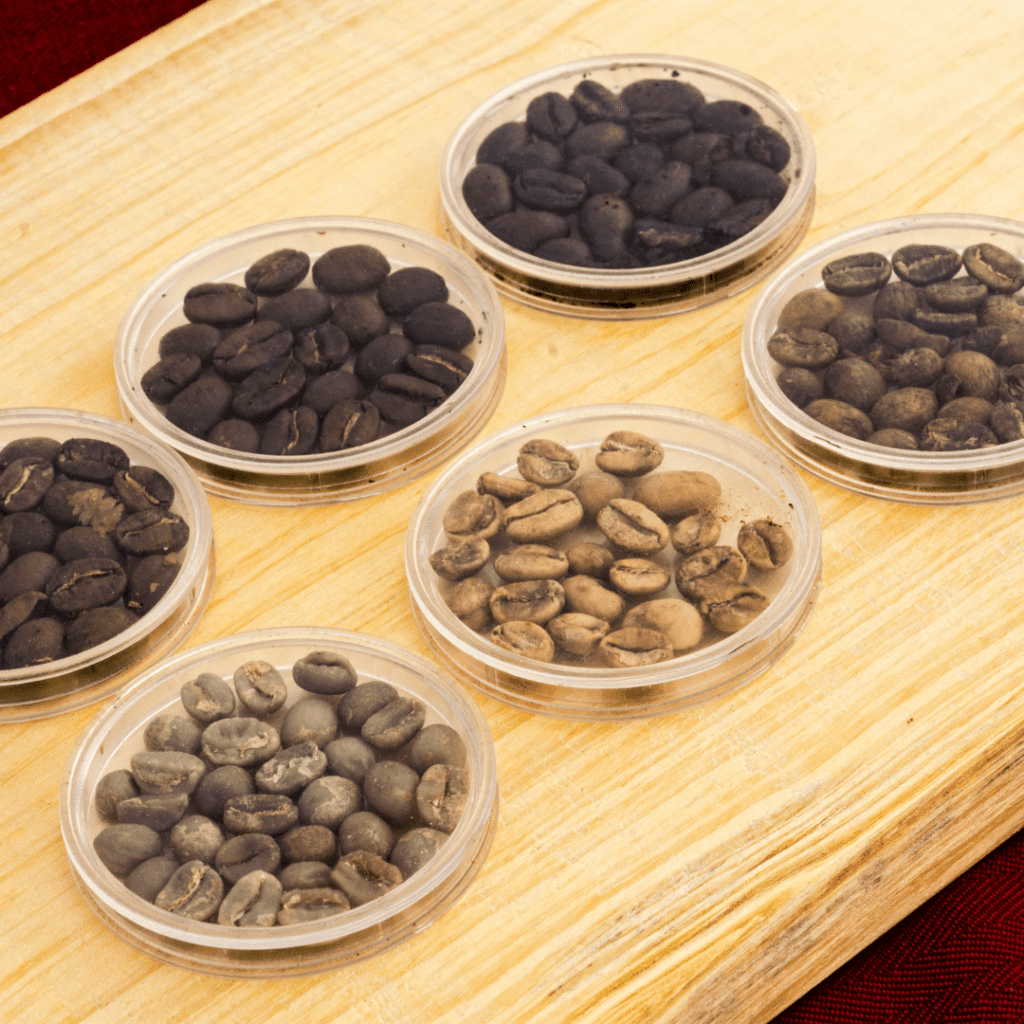
Caffeine Levels of Coffee Roasts
Many individuals feel that darker coffee roasts have more caffeine since they have a stronger flavor. Darker roasts, on the other hand, typically contain less caffeine than lighter roasts.
The caffeine is broken down by the prolonged heat of deeper roasting since it causes the caffeine molecule to break down.
If you’re not sure about the roast of your coffee, simply check the color. A lighter hue implies a lower roast and more caffeine.
Caffeine Levels of Ground Coffee Beans
Different brew methods require correspondingly different amounts of ground coffee. Espresso and Turkish coffee, for example, need considerably finer grinds than drip brewed coffee.
Assuming that the brewing procedure is identical, the finer the coffee grind, the greater its caffeine content.
Caffeine in Coffee Bean Varietals
Caffeine levels in coffee may vary considerably, just as they do among different tea varieties and cultivars.
Arabica coffee beans (a softer, sweeter coffee bean that makes up 70 percent of the coffee beans on the market) have roughly twice as much caffeine as robusta coffee beans (the kind used in many low-grade coffees and instant coffees).
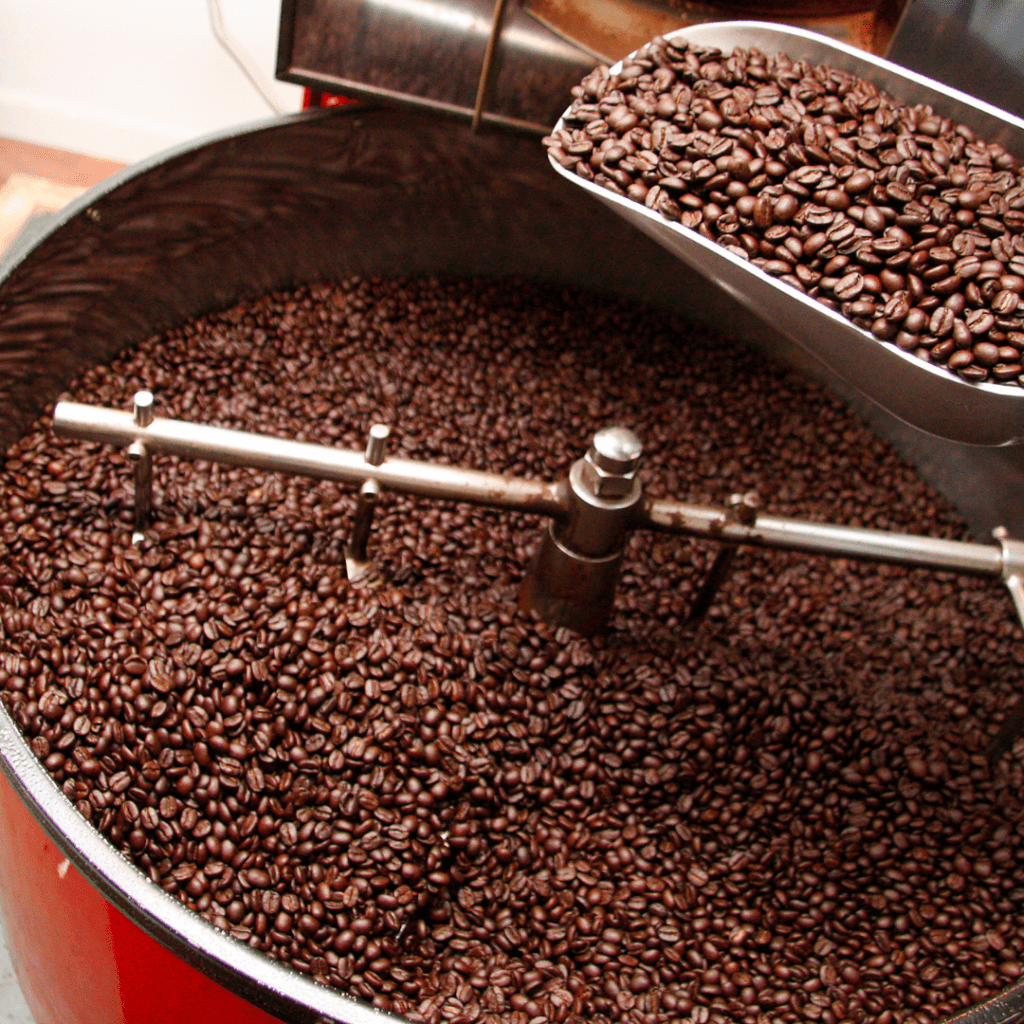
If you’re drinking a fast coffee, it’s most likely to be a Robusta high-caffeine coffee bean. If it’s from a coffee shop or a fine restaurant, ground beans or whole beans, it’s probably lower in caffeine.
To create a low-caffeine coffee, Excelsa, a naturally low-caffeine Arabica coffee bean (not decaf coffee), is sometimes combined with Arabica.
Caffeine Levels of Coffee Brewing Methods
The amount of caffeine in the coffee will rise as time goes by. The brewing time varies depending on the technique.
For example, the longer French press coffee is allowed to steep before the plunger is pressed and the beverage served, the greater its caffeine concentration.
A coffee machine, unlike a French press or percolator, leaves the beverage to drip for a substantial period of time (often around five minutes). The caffeine content in this type of brew is also higher.
Lungos, which are larger, more leisurely extractions of espresso that take longer to produce, will have a greater caffeine level than ristrettos (smaller, faster extractions of espresso).
If you use more ground coffee per cup of water, the brew will contain more caffeine. The majority of coffee recipes recommend about 30 grams of coffee for every 12 to 16 ounces of filtered or boiling water.
Using more coffee than the manufacturer’s recommendations will also boost the amount of caffeine in your beverage. Many customers accidentally use too much because they utilize a measuring spoon (or eye method) rather than a scale when making coffee.
What Is the Coffee With the Most Caffeine?
If you weigh all of these things together, the greatest caffeine coffee is a light roast, finely ground Robusta coffee that has been prepared with a drip filter or French press for at least five minutes.
Using more than 30 grams of coffee per 12 to 16 ounces of water will also raise the caffeine content in your beverage.
The espresso with the greatest caffeine concentration would be prepared from light roast beans and brewed using 7 to 8 grams of coffee grinds (relatively coarsely ground) in a lungo pull.
Which Coffee Has the Least Caffeine?
The most caffeine is in dark roast, coarsely ground Arabica coffee beans brewed with a quicker brewing approach (such as a pour-through drip filter).
Measure your grinds with a scale (not with a spoon, and definitely not with your eyes) to ensure you’re using only 30 grams per 12 to 16 ounces of water. This is around two good doses or one Starbucks Grande or Tall.

For a super-low caffeine coffee, use Excelsa beans or a decaf coffee.
Decaf is not caffeine-free, contrary to popular belief. A Starbucks decaf coffee has a 3 to 15.8 milligrams per cup range, whereas a 16-ounce decaf coffee from Starbucks has about 12.5 milligrams of caffeine.
Espresso drinks, in particular, are high in caffeine and usually have less per serving. Espresso is generally more powerful than other coffee varieties, so consume accordingly. A small cup of coffee has far less caffeine than a large one, regardless of the kind.
How much caffeine is too much?
The FDA has defined 400 milligrams a day, which is roughly four or five cups of coffee, as an amount that isn’t typically linked with harmful side effects for healthy adults. However, there is a lot of variation in how sensitive individuals are to the effects of caffeine and how quickly they break it down (metabolize).
Some medications and situations can make people more sensitive to caffeine’s effects. Furthermore, if you’re pregnant, attempting to conceive, or nursing, or are concerned about another condition or medication, we advise consulting with your doctor about whether you need to limit your caffeine intake.
The FDA has not established a caffeine consumption limit for children, however, the American Academy of Pediatrics advises against using caffeine and other stimulants in children and adolescents.
More from The Coffee Chef: